Berendrecht
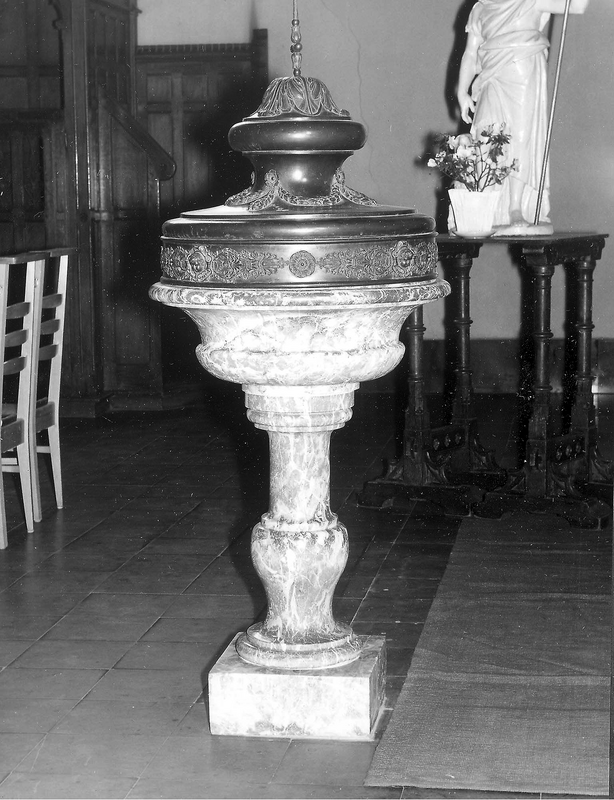
Image copyright © KIK-IRPA, Brussels (Belgium), 2026
CC-BY-4.0
Results: 5 records
view of font and cover
Scene Description: the modern, 19th-century font
Copyright Statement: Image copyright © KIK-IRPA, Brussels (Belgium), 2026
Image Source: digital image of a1974 B&W photograph [cliché M087908] by Aerts, Paul, KIK
Copyright Instructions: CC-BY-4.0
view of church exterior - southeast view
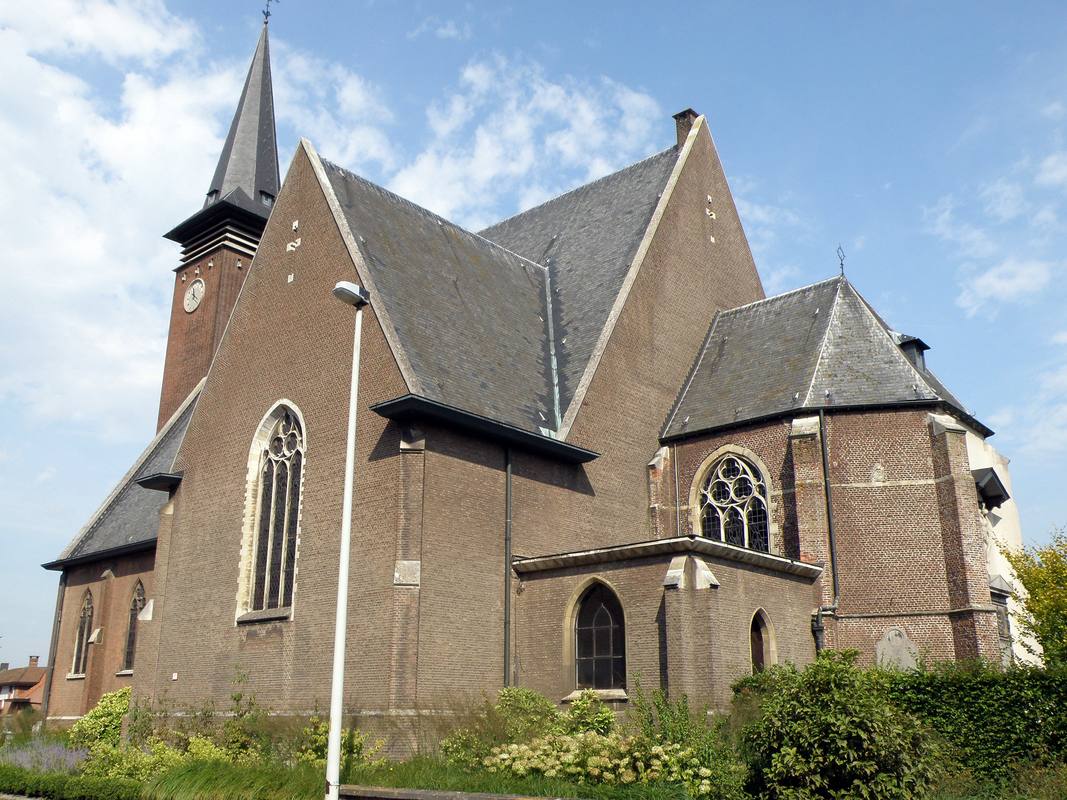
Scene Description: "Berendrecht, stad Antwerpen (district Berendrecht-Zandvliet-Lillo): neogotische Sint-Jan de Doperkerk, zuidergevel en (laatgotisch, 1685) koor."
Copyright Statement: Image copyright © Torsade de Pointes, 2009
Image Source: digital photograph August 2009 by Torsade de Pointes
Copyright Instructions: PD
information
![museum file record [cf. FontNotes]](/static-50478a99ec6f36a15d6234548c59f63da52304e5/compressed/1260302022_compressed.png)
Scene Description: museum file record [cf. FontNotes]
Copyright Statement: Image copyright © MAS, 2026
Image Source: digital image of the MAS file record for the font [cf. FontNotes]
Copyright Instructions: Assumed PD
view of font and cover in context - detail
![probably while on public display in the MAS [cf. FontNotes]](/static-50478a99ec6f36a15d6234548c59f63da52304e5/others/permission_not_available.jpg)
Scene Description: probably while on public display in the MAS [cf. FontNotes]
Copyright Statement: Image copyright © MAS, 2026
Image Source: image source not available / assume MAS sigital photograph
Copyright Instructions: PERMISSION NOT AVAILABLE – IMAGE NOT FOR PUBLIC USE
view of font and cover
Scene Description: probably while on public display in the MAS [cf. FontNotes]
Copyright Statement: Image copyright © MAS, 2026
Image Source: image source not available / assume MAS sigital photograph
Copyright Instructions: PERMISSION NOT AVAILABLE – IMAGE NOT FOR PUBLIC USE
INFORMATION
Font ID: 26168PCG
Object Type: Baptismal Font1
Font Date: ca. 1612?
Font Century and Period/Style: 17th century (early)
Museum: Museum Vleeshuis, now in the collection of the museum MAS [cf. FontNotes], AV1966.019
Church / Chapel Name: Sint-Jan-Baptistkerk / Église Saint-Jean-Baptiste
Church Wikidata: https://nl.wikipedia.org/wiki/Sint-Jan_Baptistkerk_(Berendrecht)
Church Patron Saint(s): St, John the Baptist
Church Notes: [cf. FontNotes]
Church Address: Sint-Jan Baptiststraat 4, 2040 Antwerpen (Berendrecht), Belgium -- Tel.: +32 485 80 78 97
Site Location: Antwerp, Vlaanderen / Flandres, Belgium, Europe
Directions to Site: Located off (W) the A12, S and E from the Dutch border, about 22 km NNW of Antwerp
Ecclesiastic Region: Antwerp
Additional Comments: moved font? / disused font? (in a museum's remote storage? [cf. FontNotes] -- disappeared font? (the one from the 12thC church here)
Town/City Wikipedia: https://fr.wikipedia.org/wiki/Berendrecht
Font Notes:
Click to view
The present font in this church is modern, 19th-century; listed and illustrated in BALaT KIK-IRPA [https://balat.kikirpa.be/object/86116
A communication to BSI from Pol Herman (e-mail of 15 February 2026) informs: "Berendrecht, Sint-Jan Baptist parish church and the Maria-Magdalena church of the Norbertine sisters. https://nl.wikipedia.org/wiki/Sint-Jan_Baptistkerk_(Berendrecht) In 1037, authorities began to systematically dike the Scheldt river banks north of Antwerp. The village Berendrecht, always known under this name, likely originated in the eleventh century through the embankment of salt marshes. It was first mentioned in 1095, when the rights over the chapels of Linlo, Berendrecht, Ortheren, Santvliet, and “S. Walburgia in codem burgo” were assigned to the canons of the Chapter of St. Michael in Antwerp. The location of this first wooden building is unknown. In 1101, Count Hendrik van Limburg stole the rights of the chapter. In 1116, Burchard, Bishop of Cambrai, restored the chapter's legal status. In 1124 the chapel was elevated to a parish church. In 1135, Lietardus, Bishop of Cambrai, confirmed that Berendrecht became the property of the newly founded Chapter of the Church of Our Lady in Antwerp. The Norbertine monastery of St. Michael at Antwerp was created in 1124, four years after the foundation of Prémontré. Initially, it was a double monastery: men and women lived together within the monastery walls, although the women had their own Mary Magdalen church and own cemetery from 1135 onwards. A shift in ideas within the General Chapter about cohabitation between men and women had led to a physical separation (a “fossum”) within the monastery in Antwerp. In 1154, the distance increased even further when the women's section was moved by Abbot Emilinus to Berendrecht, north of Antwerp. The land on which this new monastery was built was given to the abbot by Godfried I, Lord of Breda, Duke of Lorraine and Margrave (+ 1161) on the condition that his daughter Beatrix would be accepted as a nun in this monastery. In 1246 (or 1254), Petrus, cardinal legate of pope Alexandre IV, consecrated the Mary Magdalen chapel at the cloister of Berendrecht. This place of worship did not serve as parish church, as Berendrecht already had such. The nuns likely led a destitute existence. In any case, they hardly left any traces, not even in written sources from that period. In May 1271, Arnoud lord of Breda received money from the abbot of St. Michael. It is not unlikely that the nuns of Zandvliet were thereby ‘sold’ or 'taken over' and placed in the new monastery Catharinadal near Wouw, founded by the lord of Breda earlier that year. The merger of the nuns from Zandvliet with the sisters who already lived in Catharinadal could be a possible explanation for the presence of two separate medieval churchyards at the monastery of Wouw. The now empty monastery buildings were transformed into the Monnikenhof, a luxurious moated country residence for the monks, embellished in the 17th century, sold during the French Revolution and transformed into a still existing farm with the same name. After the nuns had left, the monks of St. Michael's Abbey continued to use the nun’s chapel at Monnikenhof for public Eucharistic celebrations, hearing confessions, preaching, and giving communion. They incidentally also accepted donations and emptied the offering boxe, and they installed a lucrative pilgrimage to Mary Magdalen. The church of the cloister seems to have survived the iconoclastic fury unharmed, until 1648 when it was destroyed by war, and afterwards repaired by abbot Johannes van der Sterren. In 1730, the priest of Berendrecht complained that the monks of the abbey still held masses in the chapel, in which too many parishioners from Berendrecht participated, and that he therefore lost income. Some parishioners never showed up at the Saint John the Baptist parish church. The public exercise of religion in the chapel was therefore prohibited by the bishop in 1731. In 1782, bishop Wellens administered the confirmation to 120 children of the parish of Berendrecht in the Mary Magdalene chapel. The chapel was sold at the French revolution in 1790. On a drawing of 1841, showing the parish church of Berendrecht, a ruined tower can be seen in the background, probably that of the chapel. In 1184, the villages of Berendrecht, Lillo, and Oorderen were given their own pastors, recognized by a breve (letter) from Pope Lucius III. There must have been a baptismal font at that time. Berendrecht's history will always be closely linked to its struggle against the water of the river Scheldt. A major flood occurred in 1288, but the rapid raising of the dikes spared Berendrecht. The village of Lillo was lost. 1328: Village lost by flood. After Berendrecht was swallowed by the water in 1328, a new village centre moved to a higher location, the grounds being ceded by the municipality of Zandvliet. The new village was officially created in 1329 by the description of its lands (the line of demarcation). Probably, the above mentioned cloister church of Marie Magdalene temporarily served for parish services. Eventually though, the first stone church of Berendrecht was built later in the 14th century. It had a gravestone from the year 1400. This building was subsequently renovated several times. The village was repeatedly flooded and damaged in the 16th and 17th centuries. All the churches around Antwerp were plundered and destroyed by Calvinists in 1567. Although there are no documents, it is assumed that the parish church of Berendrecht also fell victim to the destruction."
A communication to BSI from Pol Herman (e-mail of 15 February 2026) informs: "Berendrecht, Sint-Jan Baptist parish church and the Maria-Magdalena church of the Norbertine sisters. https://nl.wikipedia.org/wiki/Sint-Jan_Baptistkerk_(Berendrecht) In 1037, authorities began to systematically dike the Scheldt river banks north of Antwerp. The village Berendrecht, always known under this name, likely originated in the eleventh century through the embankment of salt marshes. It was first mentioned in 1095, when the rights over the chapels of Linlo, Berendrecht, Ortheren, Santvliet, and “S. Walburgia in codem burgo” were assigned to the canons of the Chapter of St. Michael in Antwerp. The location of this first wooden building is unknown. In 1101, Count Hendrik van Limburg stole the rights of the chapter. In 1116, Burchard, Bishop of Cambrai, restored the chapter's legal status. In 1124 the chapel was elevated to a parish church. In 1135, Lietardus, Bishop of Cambrai, confirmed that Berendrecht became the property of the newly founded Chapter of the Church of Our Lady in Antwerp. The Norbertine monastery of St. Michael at Antwerp was created in 1124, four years after the foundation of Prémontré. Initially, it was a double monastery: men and women lived together within the monastery walls, although the women had their own Mary Magdalen church and own cemetery from 1135 onwards. A shift in ideas within the General Chapter about cohabitation between men and women had led to a physical separation (a “fossum”) within the monastery in Antwerp. In 1154, the distance increased even further when the women's section was moved by Abbot Emilinus to Berendrecht, north of Antwerp. The land on which this new monastery was built was given to the abbot by Godfried I, Lord of Breda, Duke of Lorraine and Margrave (+ 1161) on the condition that his daughter Beatrix would be accepted as a nun in this monastery. In 1246 (or 1254), Petrus, cardinal legate of pope Alexandre IV, consecrated the Mary Magdalen chapel at the cloister of Berendrecht. This place of worship did not serve as parish church, as Berendrecht already had such. The nuns likely led a destitute existence. In any case, they hardly left any traces, not even in written sources from that period. In May 1271, Arnoud lord of Breda received money from the abbot of St. Michael. It is not unlikely that the nuns of Zandvliet were thereby ‘sold’ or 'taken over' and placed in the new monastery Catharinadal near Wouw, founded by the lord of Breda earlier that year. The merger of the nuns from Zandvliet with the sisters who already lived in Catharinadal could be a possible explanation for the presence of two separate medieval churchyards at the monastery of Wouw. The now empty monastery buildings were transformed into the Monnikenhof, a luxurious moated country residence for the monks, embellished in the 17th century, sold during the French Revolution and transformed into a still existing farm with the same name. After the nuns had left, the monks of St. Michael's Abbey continued to use the nun’s chapel at Monnikenhof for public Eucharistic celebrations, hearing confessions, preaching, and giving communion. They incidentally also accepted donations and emptied the offering boxe, and they installed a lucrative pilgrimage to Mary Magdalen. The church of the cloister seems to have survived the iconoclastic fury unharmed, until 1648 when it was destroyed by war, and afterwards repaired by abbot Johannes van der Sterren. In 1730, the priest of Berendrecht complained that the monks of the abbey still held masses in the chapel, in which too many parishioners from Berendrecht participated, and that he therefore lost income. Some parishioners never showed up at the Saint John the Baptist parish church. The public exercise of religion in the chapel was therefore prohibited by the bishop in 1731. In 1782, bishop Wellens administered the confirmation to 120 children of the parish of Berendrecht in the Mary Magdalene chapel. The chapel was sold at the French revolution in 1790. On a drawing of 1841, showing the parish church of Berendrecht, a ruined tower can be seen in the background, probably that of the chapel. In 1184, the villages of Berendrecht, Lillo, and Oorderen were given their own pastors, recognized by a breve (letter) from Pope Lucius III. There must have been a baptismal font at that time. Berendrecht's history will always be closely linked to its struggle against the water of the river Scheldt. A major flood occurred in 1288, but the rapid raising of the dikes spared Berendrecht. The village of Lillo was lost. 1328: Village lost by flood. After Berendrecht was swallowed by the water in 1328, a new village centre moved to a higher location, the grounds being ceded by the municipality of Zandvliet. The new village was officially created in 1329 by the description of its lands (the line of demarcation). Probably, the above mentioned cloister church of Marie Magdalene temporarily served for parish services. Eventually though, the first stone church of Berendrecht was built later in the 14th century. It had a gravestone from the year 1400. This building was subsequently renovated several times. The village was repeatedly flooded and damaged in the 16th and 17th centuries. All the churches around Antwerp were plundered and destroyed by Calvinists in 1567. Although there are no documents, it is assumed that the parish church of Berendrecht also fell victim to the destruction."
Credit and Acknowledgements: We are grateful to Pol Herman for bringing this font to our attention and for his help documenting it
COORDINATES
UTM: 31U 591576 5688484
Latitude & Longitude (Decimal): 51.34025, 4.314725
Latitude & Longitude (DMS): 51° 20′ 24.9″ N, 4° 18′ 53.01″ E
REFERENCES
- KIK-IRPA, BALaT KIK-IRPA, 2024. URL: https://balat.kikirpa.be/.