Soiron / Sora / Soren / Soron, Sorun / Swèron
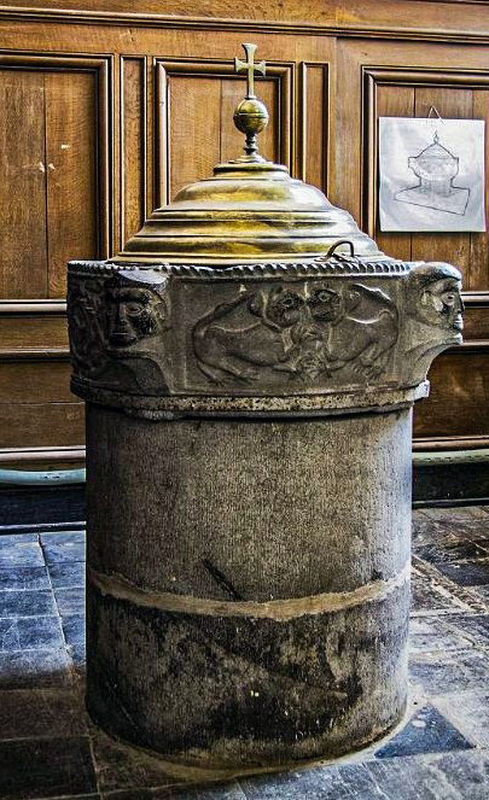
Image copyright © Les amis du Ban de Soiron, 2022
Assumed CC
Results: 14 records
view of font and cover
Copyright Statement: Image copyright © Les amis du
Ban de Soiron, 2022
Image Source: digital photograph 16 April 2022 by Les amis du
Ban de Soiron
Copyright Instructions: Assumed CC
view of font and cover
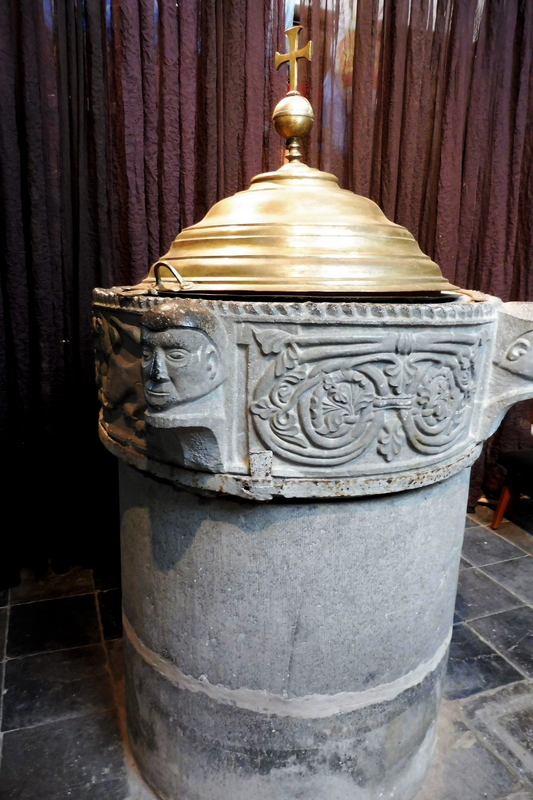
Copyright Statement: Image copyright © Les Murs de Pierre, 2018
Image Source: digital photograph 17 May 2018 by Les Murs de Pierre
Copyright Instructions: Standing permission
view of font and cover
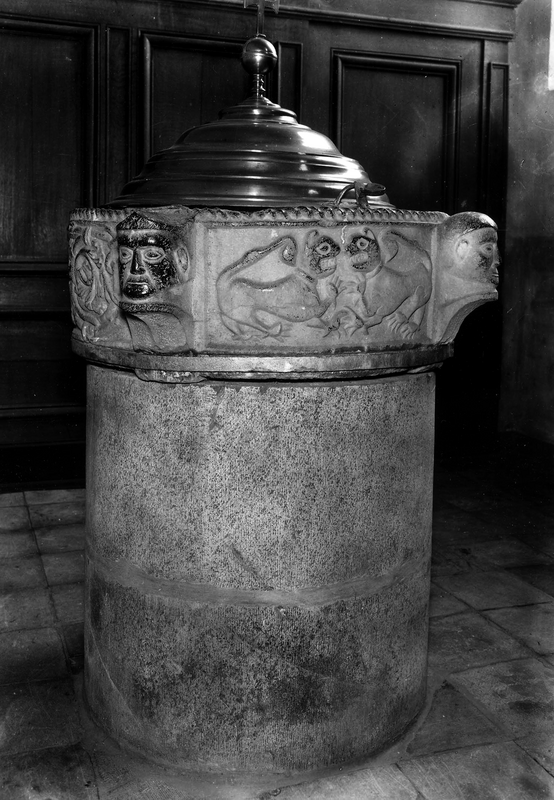
Copyright Statement: Image copyright © KIK-IRPA, Brussels (Belgium), 2026
Image Source: digital image of a 1943 B&W photograph [cliché B048208] by the Commissariat général à la Restauration du Pays
Copyright Instructions: CC-BY-4.0
human figure - male - head
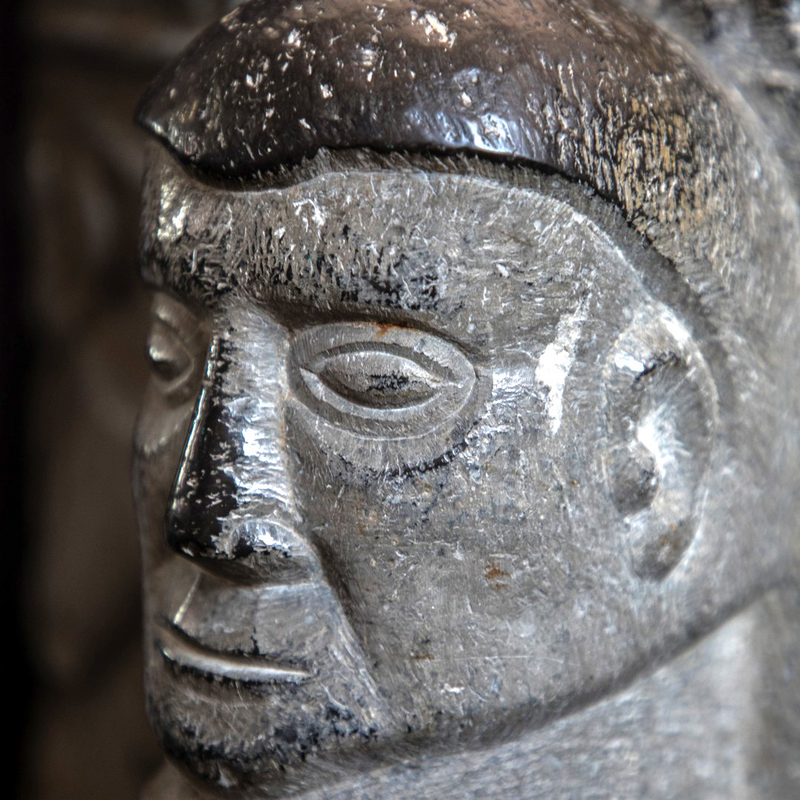
Copyright Statement: Image copyright © Les Murs de Pierre, 2018
Image Source: digital photograph 17 May 2018 by Les Murs de Pierre
Copyright Instructions: Standing permission
Church - cleric - bishop - head
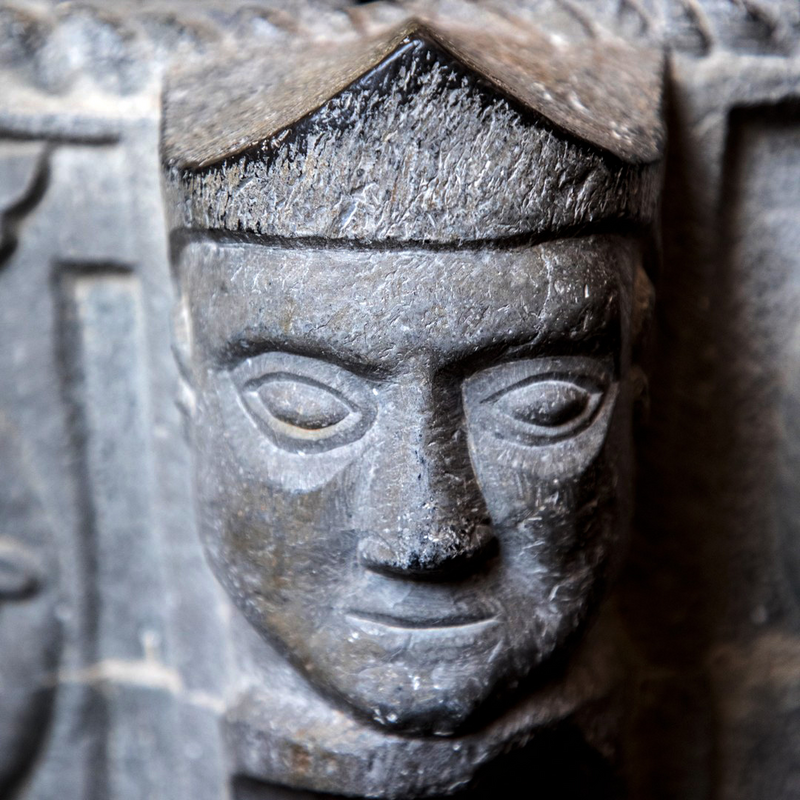
Copyright Statement: Image copyright © Les Murs de Pierre, 2018
Image Source: digital photograph 17 May 2018 by Les Murs de Pierre
Copyright Instructions: Standing permission
view of basin and cover
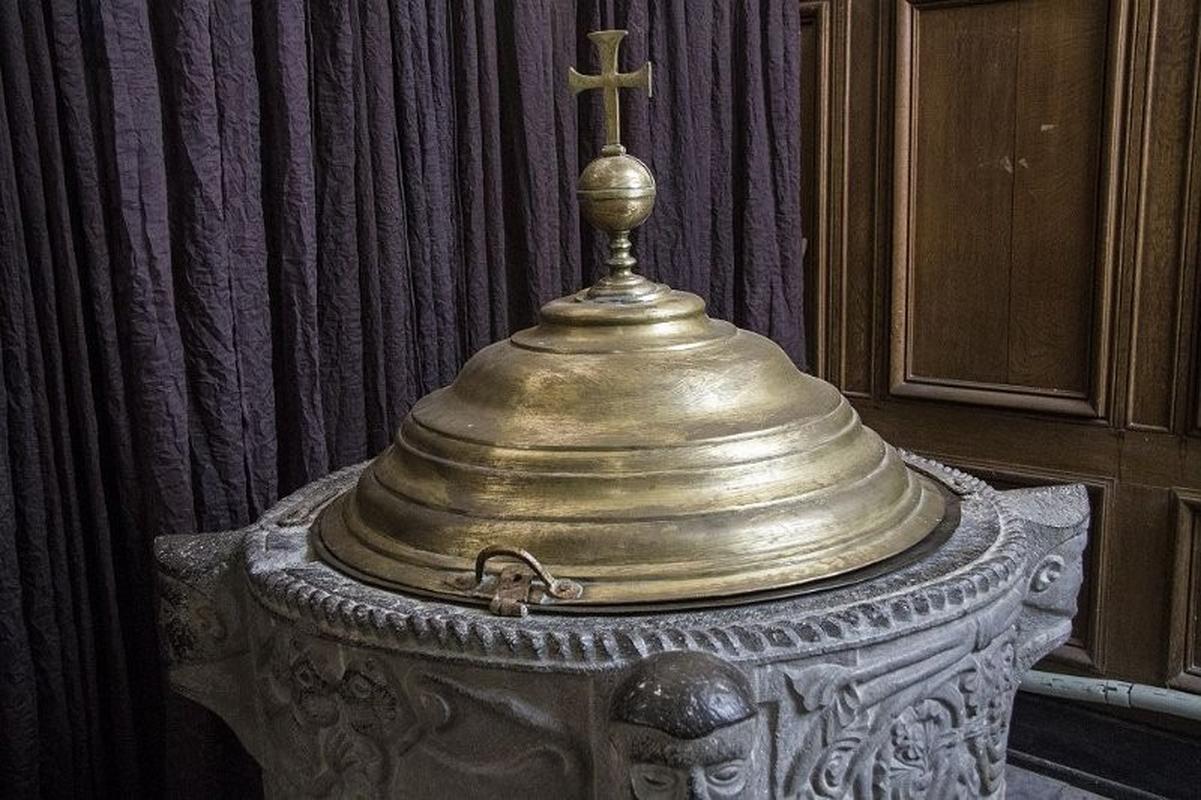
Copyright Statement: Image copyright © Les Murs de Pierre, 2018
Image Source: digital photograph 17 May 2018 by Les Murs de Pierre
Copyright Instructions: Standing permission
view of basin and cover
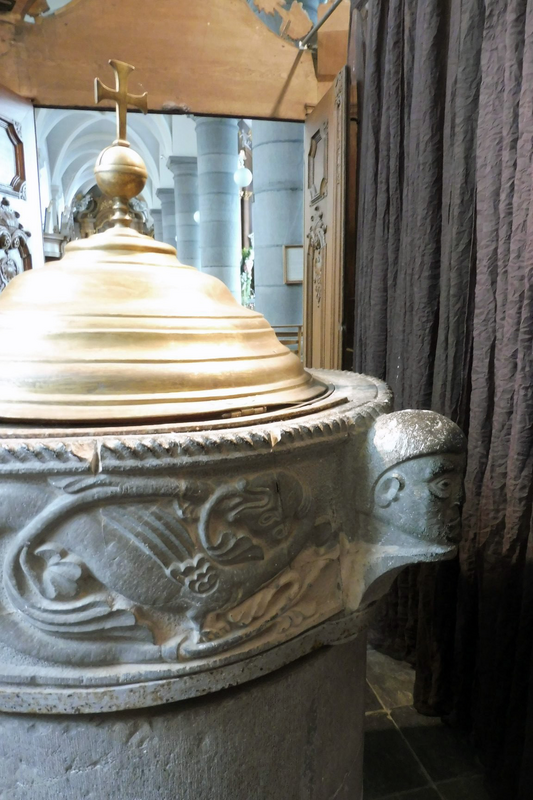
Copyright Statement: Image copyright © Les Murs de Pierre, 2018
Image Source: digital photograph 17 May 2018 by Les Murs de Pierre
Copyright Instructions: Standing permission
design element - motifs - floral and foliage
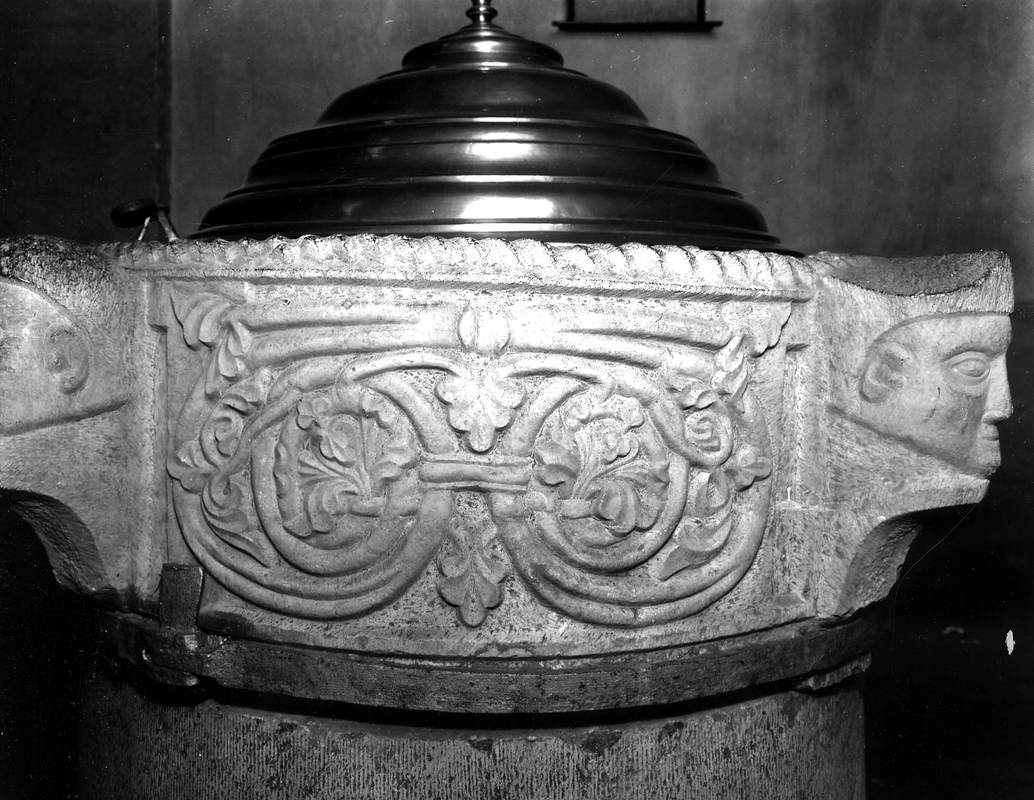
Copyright Statement: Image copyright © KIK-IRPA, Brussels (Belgium), 2026
Image Source: digital image of a 1943 B&W photograph [cliché B048212] by the Commissariat général à la Restauration du Pays
Copyright Instructions: CC-BY-4.0
animal - mammal - lion - 2 - facing each other - fighting
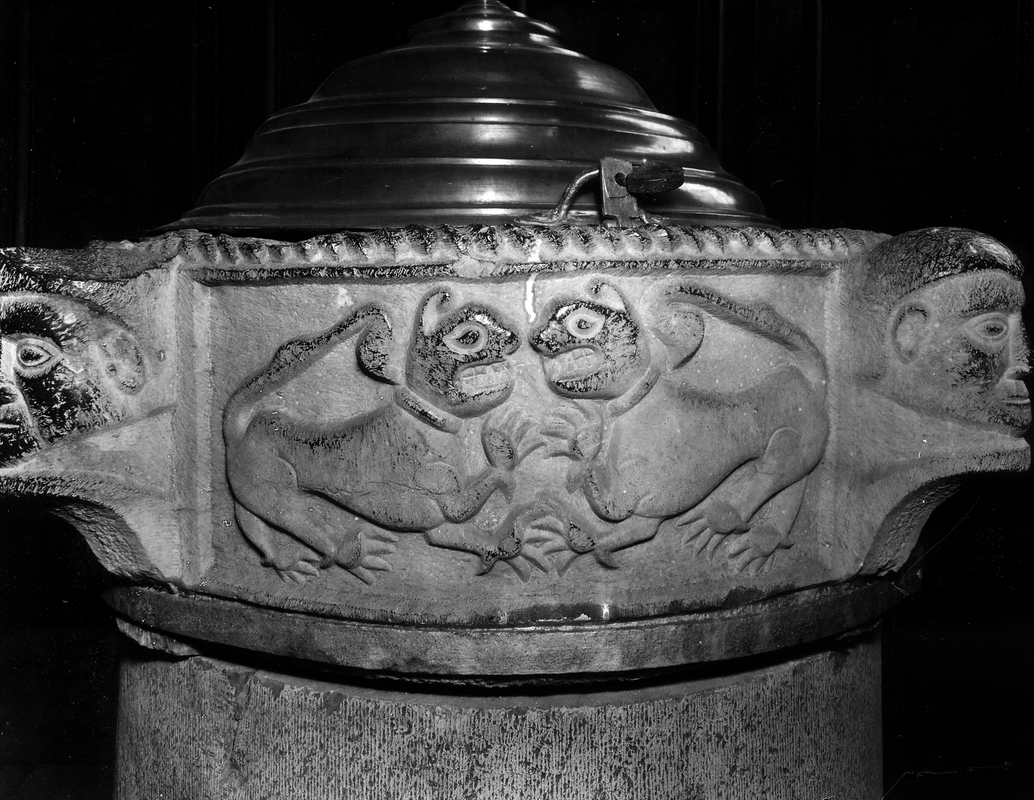
Copyright Statement: Image copyright © KIK-IRPA, Brussels (Belgium), 2026
Image Source: digital image of a 1943 B&W photograph [cliché B048210] by the Commissariat général à la Restauration du Pays
Copyright Instructions: CC-BY-4.0
animal - mammal - lion - head - vegetation stemming from its mouth
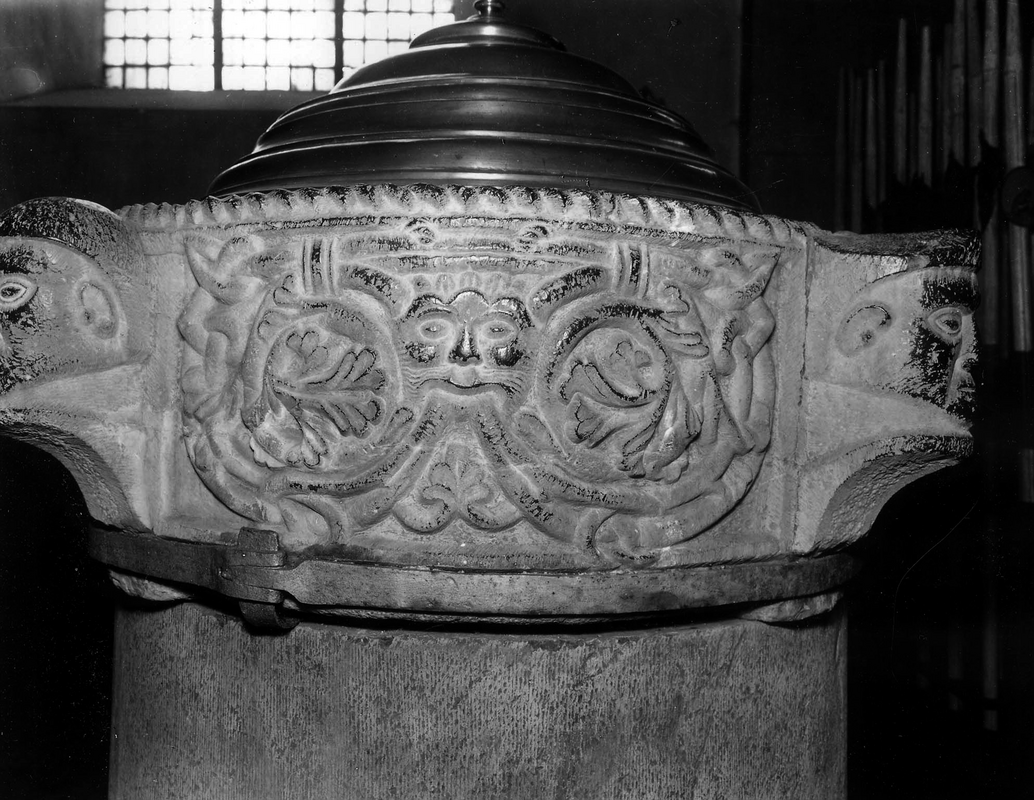
Copyright Statement: Image copyright © KIK-IRPA, Brussels (Belgium), 2026
Image Source: digital image of a 1943 B&W photograph [cliché B048209] by the Commissariat général à la Restauration du Pays
Copyright Instructions: CC-BY-4.0
huma figure - head - 4
Scene Description: set at 90-degree angles of the basin
Copyright Statement: Image copyright © KIK-IRPA, Brussels (Belgium), 2026
Image Source: digital image of a 1943 B&W photograph [cliché B048208] by the Commissariat général à la Restauration du Pays
Copyright Instructions: CC-BY-4.0
view of church exterior in context - southwest view
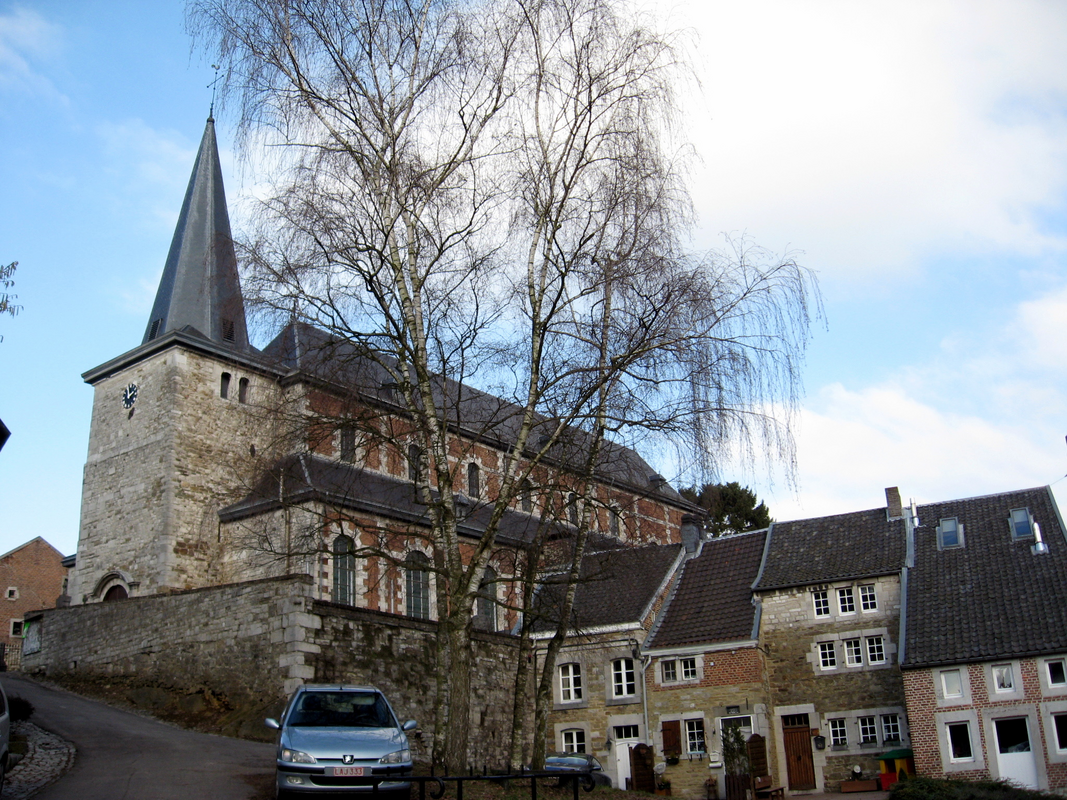
Scene Description: "Sint-Rochuskerk in Soiron / Eglise Saint-Roch à Soiron"
Copyright Statement: Image copyright © Sonuwe, 2011
Image Source: digital photograph 28 January 2011 by Sonuwe
Copyright Instructions: CC-BY-SA-4.0
design element - motifs - rope moulding
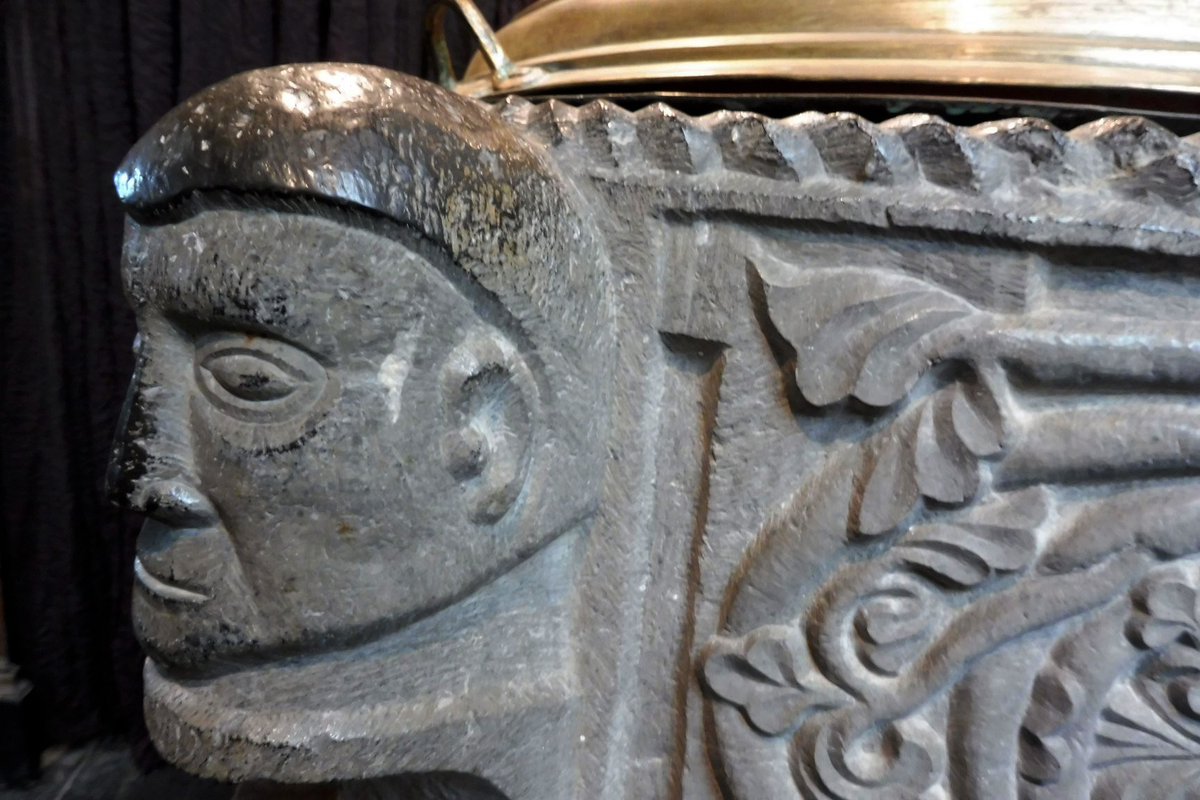
Scene Description: clearly visible here behind the head
Copyright Statement: Image copyright © Les Murs de Pierre, 2018
Image Source: digital photograph 17 May 2018 by Les Murs de Pierre
Copyright Instructions: Standing permission
animal - fabulous animal or monster - dragon or griffin
![[cf. FontNotes]](/static-50478a99ec6f36a15d6234548c59f63da52304e5/compressed/1260215015_compressed.png)
Scene Description: [cf. FontNotes]
Copyright Statement: Image copyright © KIK-IRPA, Brussels (Belgium), 2026
Image Source: digital image of a 1943 B&W photograph [cliché B048211] by the Commissariat général à la Restauration du Pay
Copyright Instructions: CC-BY-4.0
INFORMATION
Font ID: 26122FTI
Object Type: Baptismal Font1
Font Century and Period/Style: 13th century (early?) [basin only], Romanesque [altered font]
Cognate Fonts: [cf. FontNotes]
Church / Chapel Name: Sint-Rochuskerk in Soiron / Eglise Saint-Roch à Soiron
Font Location in Church: Inside
Church Patron Saint(s): St. Rock
Church Address: Soiron-Centre, 4861 Pepinster, Belgium -- Tel.: +32 475 76 74 57
Site Location: Liège, Wallonie / Wallonne, Belgium, Europe
Directions to Site: Located E of the N504, N of the N61 and Pepinster, to which municipality it belongs, about 22 km ESE of Liège
Ecclesiastic Region: Diocèse de Liège / Bistum Lüttich
Additional Comments: altered font (only the basin is original)
Town/City Wikipedia: https://fr.wikipedia.org/wiki/Soiron
Font Notes:
Click to view
Baptismal font of the 12th century listed and illustrated in BALaT KIK-IRPA [https://balat.kikirpa.be/object/10103173] [accessed 15 Fabruary 2026]: "fonts baptismaux [...] roman[style] [...] Calcaire bleu de Meuse, hauteur de la cuve : 28.5cm. posée sur un fût cylindrique en pierre [...] hauteur: 114 cm [...] Date: 1101 - 1200 [...] tête humaine, griffon, dragon".
A communication to BSI from Pol Herman (e-mail of 22 January 2026) informs: "Soron, Sorun, Soren, Sora. Soiron was mentioned in 1005 as the neighboring village of Olne (villas Soron and Solmaniam in pago Leuva sita) when Emperor Henry II gave them to the Saint-Adalbert chapter of Aachen, which remained its owner until 1802. From the 11th century onwards, a fortified house, initially a wooden structure, was said to have stood at Soiron. In the 14th century, a stone castle (chastael) was built on this site. The altar of the church of Sorun was mentioned in 1086 when Dutha offered her freedom to God and Saint Adalbert (Dutha deo sanctoque Adalberto ad altare in Sorun libertatem suam offerens). The church tower was reconstructed in 1627. In 1693, Soiron was hit by an earth quake, during which almost all the houses were destroyed, but the church tower was one of the few constructions that remained standing. The building of a much larger church began in 1723, while preserving the old tower. It was consecrated in 1730. From the original Romanesque church, only the basin of the Romanesque limestone baptismal font is preserved. I don't understand why Jean-Claude Ghislain didn't mention this font in any of his publications. The decoration appears to be a mixture of elements from the mid-12th and early 13th centuries. Mid-12th century:
- The twisted rope at the upper edge of the basin is an early Mosan feature that can already be found on some Tournai fonts from around 1150.
- The mitred head appears after 1160 on Mosan fonts.
- The other heads seem typical of Mosan fonts.
- The muzzle with protruding twigs and leaves that is most similar to that of Soiron is found at Heel (1155-1160, Netherlands). The same observation applies to the decoration with the sinuous scrolls and palmettes. Early 13th century:
- The two facing lions are not found on Meuse River fonts, but are often present on Ardennes-type fonts. For example at Linkebeek: 1200-1220. The same observation applies to the dragon.
It would therefore dare to suggest that this is a late Ardennes-type font. Ghislain writes that Ardennes-type fonts were manufactured between 1170 and 1220. Photos mainly by Les Murs de Pierre. http://balat.kikirpa.be/object/10103173".
A communication to BSI from Pol Herman (e-mail of 22 January 2026) informs: "Soron, Sorun, Soren, Sora. Soiron was mentioned in 1005 as the neighboring village of Olne (villas Soron and Solmaniam in pago Leuva sita) when Emperor Henry II gave them to the Saint-Adalbert chapter of Aachen, which remained its owner until 1802. From the 11th century onwards, a fortified house, initially a wooden structure, was said to have stood at Soiron. In the 14th century, a stone castle (chastael) was built on this site. The altar of the church of Sorun was mentioned in 1086 when Dutha offered her freedom to God and Saint Adalbert (Dutha deo sanctoque Adalberto ad altare in Sorun libertatem suam offerens). The church tower was reconstructed in 1627. In 1693, Soiron was hit by an earth quake, during which almost all the houses were destroyed, but the church tower was one of the few constructions that remained standing. The building of a much larger church began in 1723, while preserving the old tower. It was consecrated in 1730. From the original Romanesque church, only the basin of the Romanesque limestone baptismal font is preserved. I don't understand why Jean-Claude Ghislain didn't mention this font in any of his publications. The decoration appears to be a mixture of elements from the mid-12th and early 13th centuries. Mid-12th century:
- The twisted rope at the upper edge of the basin is an early Mosan feature that can already be found on some Tournai fonts from around 1150.
- The mitred head appears after 1160 on Mosan fonts.
- The other heads seem typical of Mosan fonts.
- The muzzle with protruding twigs and leaves that is most similar to that of Soiron is found at Heel (1155-1160, Netherlands). The same observation applies to the decoration with the sinuous scrolls and palmettes. Early 13th century:
- The two facing lions are not found on Meuse River fonts, but are often present on Ardennes-type fonts. For example at Linkebeek: 1200-1220. The same observation applies to the dragon.
It would therefore dare to suggest that this is a late Ardennes-type font. Ghislain writes that Ardennes-type fonts were manufactured between 1170 and 1220. Photos mainly by Les Murs de Pierre. http://balat.kikirpa.be/object/10103173".
Credit and Acknowledgements: We are grateful to Pol Herman for bringing this font to our attention and for his help documenting it. We are alaso grateful to Les Murs de Pierre for the photographs of this font
COORDINATES
UTM: 50.59247, 5.790873
Latitude & Longitude (Decimal): 50.59247, 5.790873
Latitude & Longitude (DMS): 50° 35′ 32.89″ N, 5° 47′ 27.14″ E
MEDIUM AND MEASUREMENTS
Material: stone, limestone (Mosan)
Font Shape: cylindrical (mounted)
Basin Interior Shape: round
Basin Exterior Shape: round
Basin Total Height: 28.5 cm*
Height of Base: 85.5 cm [calculated]
Basin Lower Panel Dimensions: 114 cm*
Notes on Measurements: * [cf. FontNotes]
LID INFORMATION
Date: 1801-1810
Material: metal, brass
Notes: moulded dome with orb-and-cross finial
REFERENCES
- KIK-IRPA, BALaT KIK-IRPA, 2024. URL: https://balat.kikirpa.be/.