Beyssenac / Beissenac
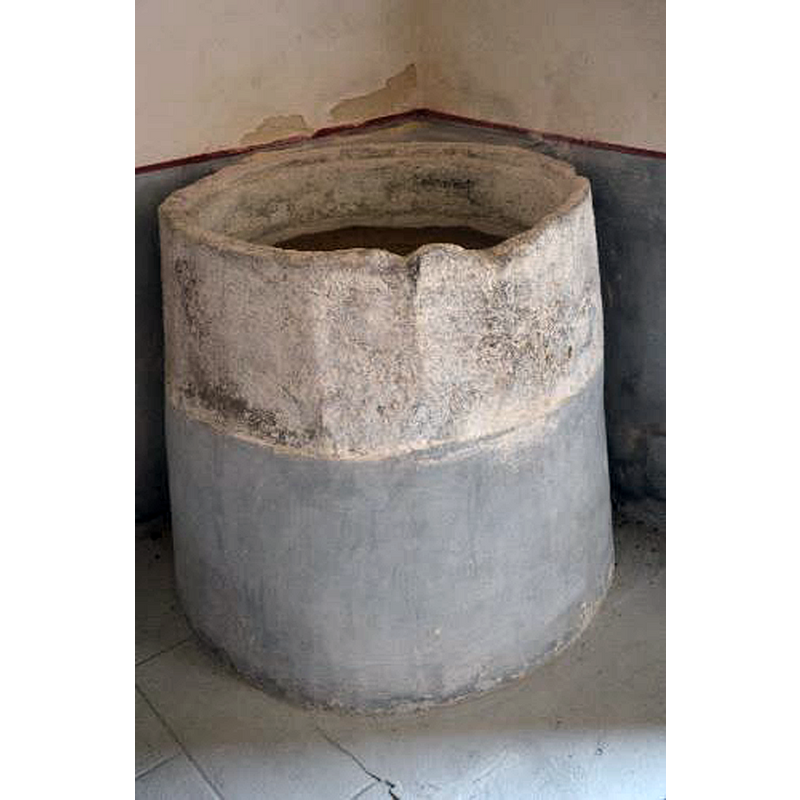
Image copyright © Romaanse kunst en architectuur, 2016
No known copyright restriction / Fair Dealing
Results: 3 records
view of font
Copyright Statement: Image copyright © Romaanse kunst en architectuur, 2016
Image Source: digital image in Romaanse kunst en architectuur [http://romaansekunstenarchitectuur.skynetblogs.be/archive/2015/09/17/eglise-saint-eutrope-te-beyssenac-correze-19-8501087.html] [accessed 3 February 2017]
Copyright Instructions: No known copyright restriction / Fair Dealing
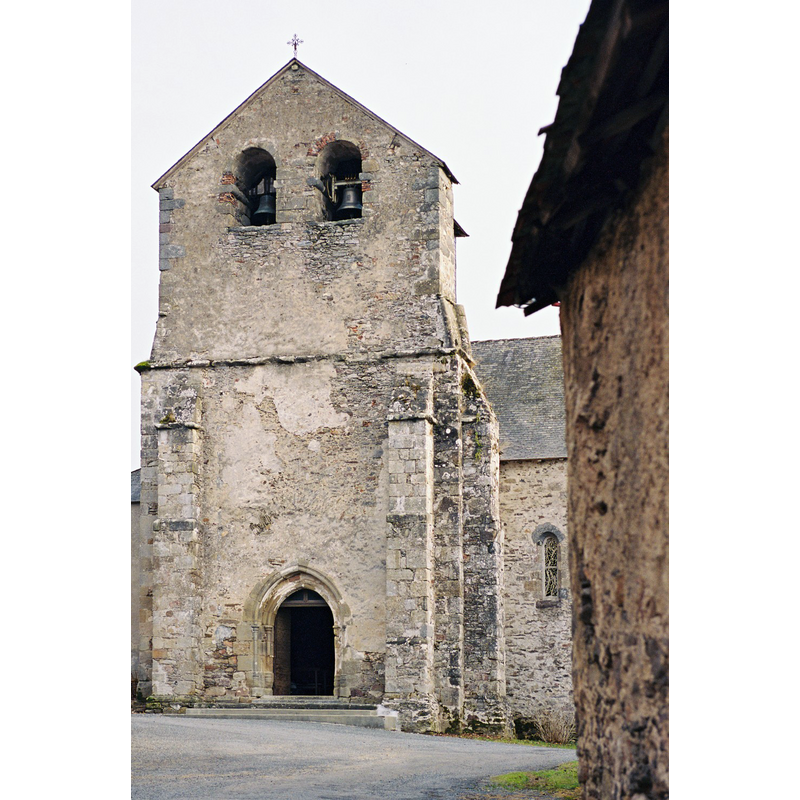
view of church exterior - west view
Copyright Statement: Image copyright © Eglises de Corrèze, 2017
Image Source: digital photograph taken by Jean-François Amelot, in Eglises de Corrèze [http://eglises.de.correze.online.fr/] [accessed 3 February 2017]
Copyright Instructions: No known copyright restriction / Fair Dealing
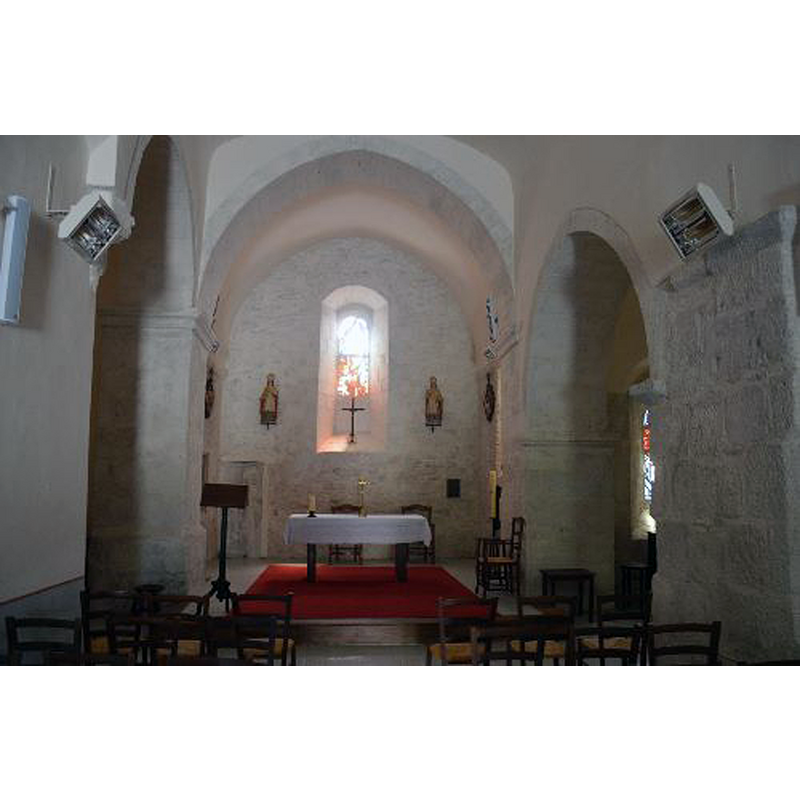
view of church interior - nave - looking east
Copyright Statement: Image copyright © Romaanse kunst en architectuur, 2016
Image Source: digital image in Romaanse kunst en architectuur [http://romaansekunstenarchitectuur.skynetblogs.be/archive/2015/09/17/eglise-saint-eutrope-te-beyssenac-correze-19-8501087.html] [accessed 3 February 2017]
Copyright Instructions: No known copyright restriction / Fair Dealing
INFORMATION
Font ID: 20932BEY
Object Type: Baptismal Font1
Font Century and Period/Style: 12th century, Romanesque
Church / Chapel Name: Église paroissiale Saint-Médard
Font Location in Church: Inside the church
Church Patron Saint(s): St. Medard [aka Medardus]
Church Notes: 12thC church; expanded 14thC
Church Address: 19230 Beyssenac, France
Site Location: Corrèze, Nouvelle-Aquitaine, France, Europe
Directions to Site: Located off the D107, 8 km W of Arnac-Pompadour, ESE of Lubersac, E of Uzerche
Ecclesiastic Region: Diocèse de Tulle [ancien diocèse de Limoges]
Historical Region: Limousin
Font Notes:
Click to view
The baptismal font in this church is a plain cylindrical vessel of stone; there is an indentation on one side, towards the upper rim, but it may be just a flaw in the stone; the lower half has been painted.