Apeldoorn / Appoldro / Appeldoorn
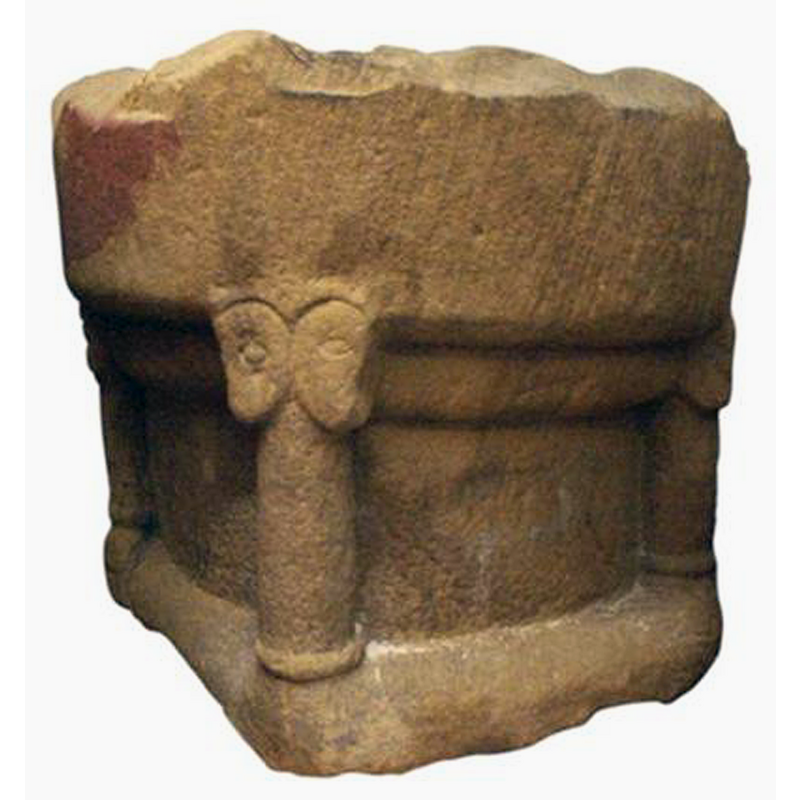
Image copyright © Collectie Gelderland, 2016
No known copyright restriction / Fair Dealing
Results: 7 records
view of font
Copyright Statement: Image copyright © Collectie Gelderland, 2016
Image Source: digital photograph in the Collectie Gelderland [www.collectiegelderland.nl/verhalen/middeleeuws-doopvont/] [accessed 17 January 2016]
Copyright Instructions: No known copyright restriction / Fair Dealing
view of font
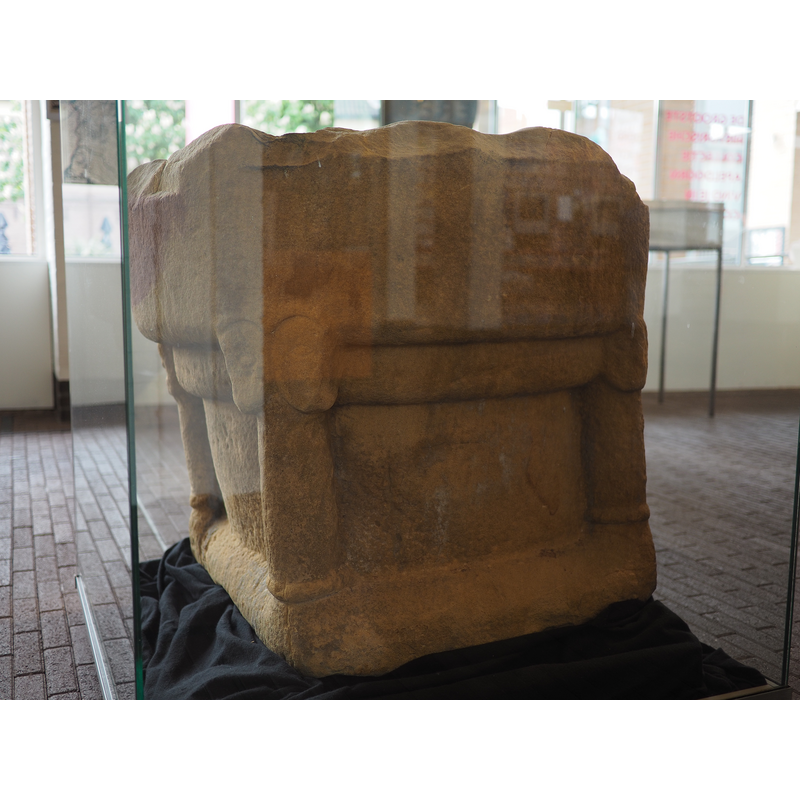
Scene Description: as displayed in the CODA Bibliotheek space, CODA Museum, Apeldoorn, Netherlands, in May 2015
Copyright Statement: Image copyright © Joost Limburg, 2015
Image Source: digital photograph taken 22 May 2015 by Joost Limburg
Copyright Instructions: Standing permission
view of font
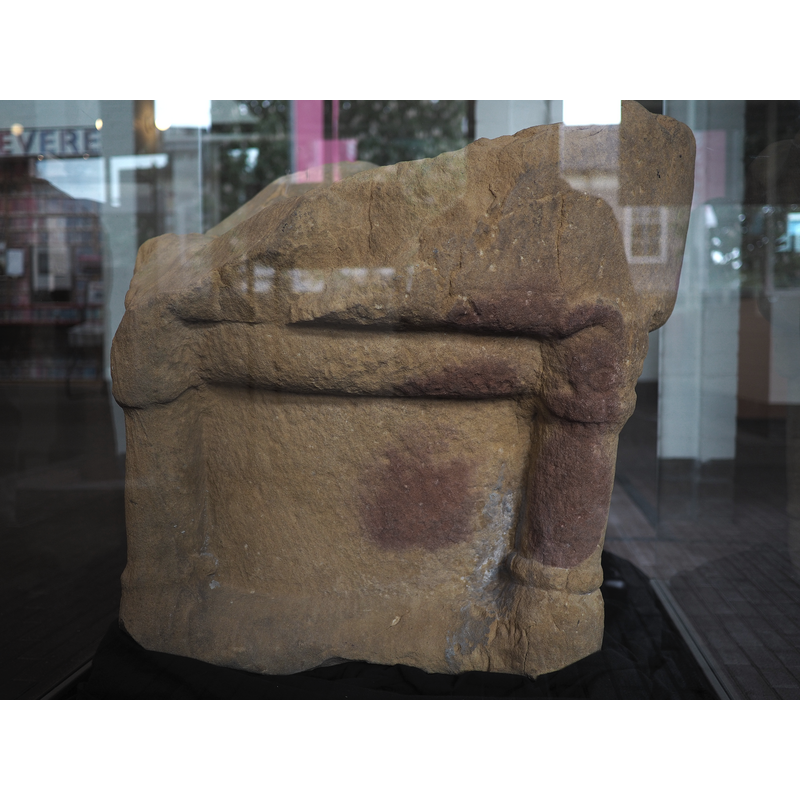
Scene Description: as displayed in the CODA Bibliotheek space, CODA Museum, Apeldoorn, Netherlands, in May 2015
Copyright Statement: Image copyright © Joost Limburg, 2015
Image Source: digital photograph taken 22 May 2015 by Joost Limburg
Copyright Instructions: Standing permission
view of font
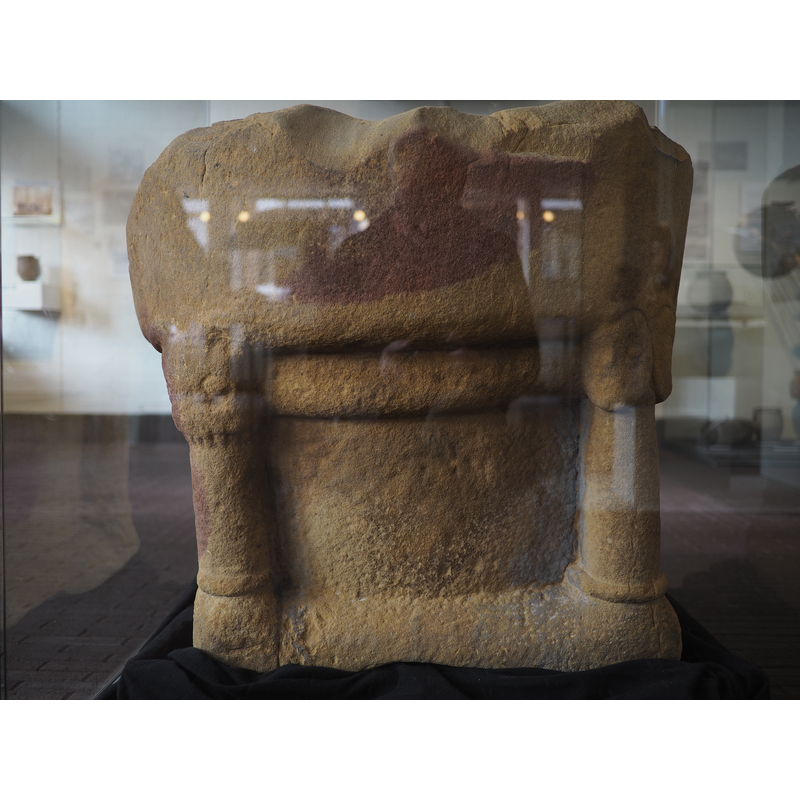
Scene Description: as displayed in the CODA Bibliotheek space, CODA Museum, Apeldoorn, Netherlands, in May 2015
Copyright Statement: Image copyright © Joost Limburg, 2015
Image Source: digital photograph taken 22 May 2015 by Joost Limburg
Copyright Instructions: Standing permission
view of font
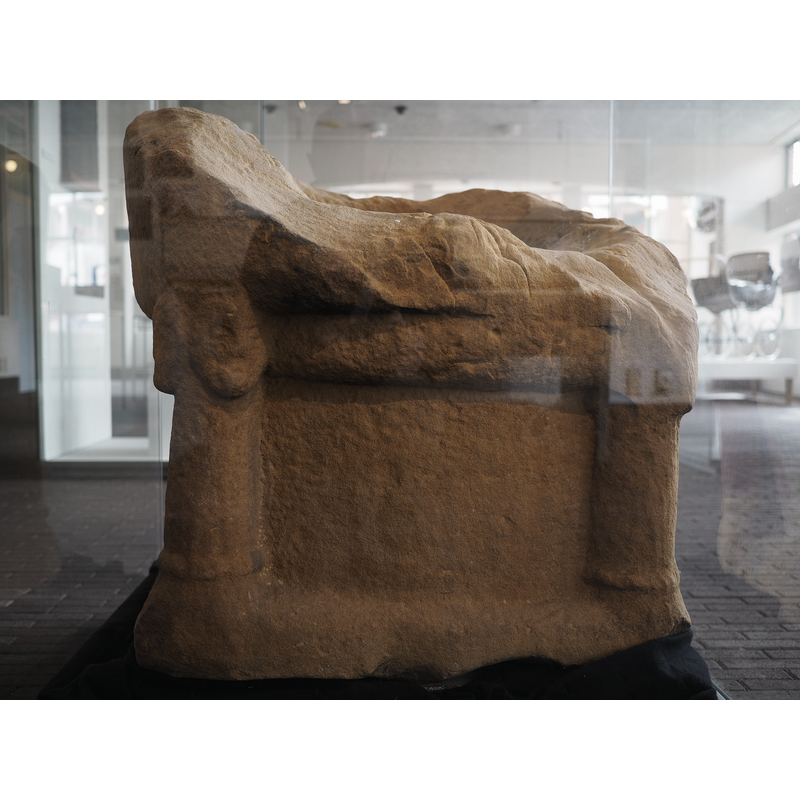
Scene Description: as displayed in the CODA Bibliotheek space, CODA Museum, Apeldoorn, Netherlands, in May 2015
Copyright Statement: Image copyright © Joost Limburg, 2015
Image Source: digital photograph taken 22 May 2015 by Joost Limburg
Copyright Instructions: Standing permission
human figure - head - 8
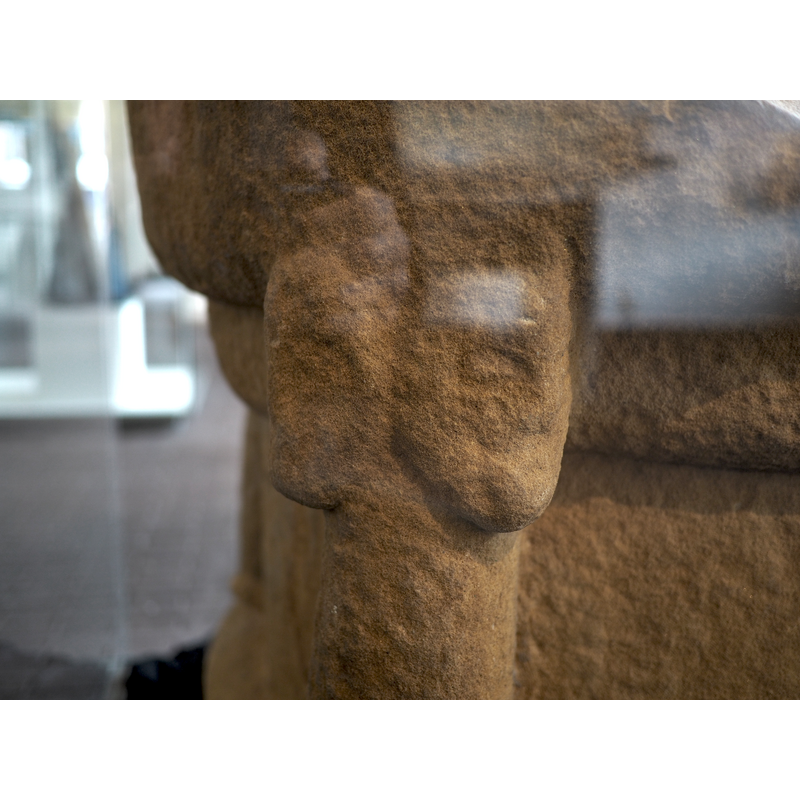
Scene Description: very worn; it is possible one of the pairs may be animal
Copyright Statement: Image copyright © Joost Limburg, 2015
Image Source: digital photograph taken 22 May 2015 by Joost Limburg
Copyright Instructions: Standing permission
view of church exterior - northeast view
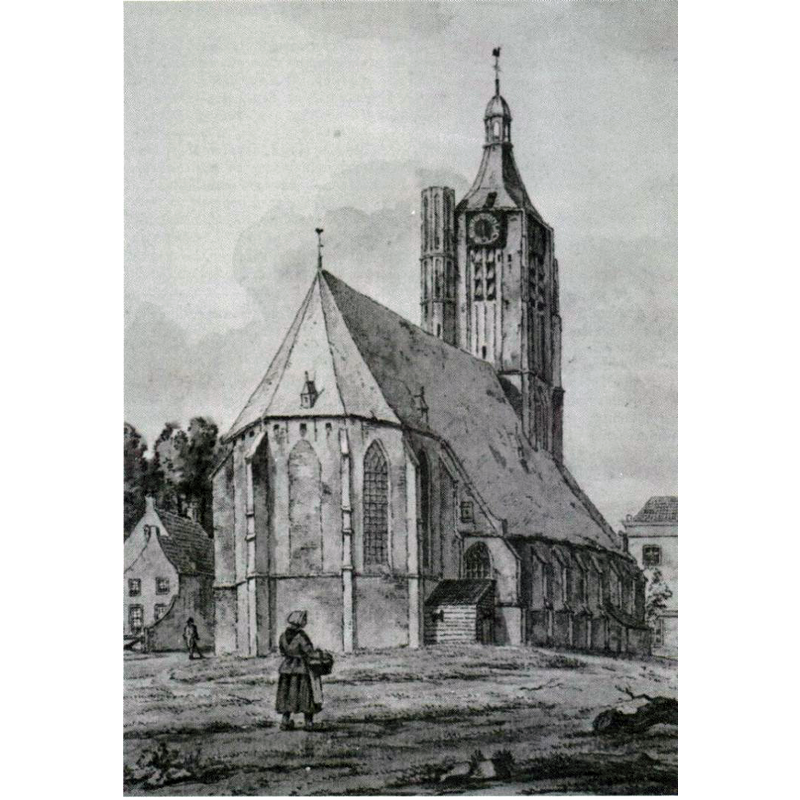
Scene Description: Source caption: "De gotische Mariakerk van Apeldoorn. Rond 1840 gesloopt." -- this 15thC church was demolished in 1842
Copyright Statement: Image copyright © [in the public domain]
Image Source: illustration, source unknown, reproduced in Reliwiki [www.reliwiki.nl/index.php/Apeldoorn,_Hoofdstraat_-_Mariakerk_(1477_-_1842)] [accessed 7 June 2015]
Copyright Instructions: PD
INFORMATION
Font ID: 19890APE
Object Type: Baptismal Font1
Font Century and Period/Style: 12th century (mid?), Romanesque
Museum: CODA Bibliotheek -- Vosselmanstraat 299, 7311 CL Apeldoorn -- Tel.: (055) 5268400
Church / Chapel Name: [old parish church: Mariakerk?; now disappeared]
Font Location in Church: [cf. FontNotes]
Church Patron Saint(s): St. Mary the Virgin?
Church Notes: original church 12thC; re-built late-16thC; demolished 1842
Church Address: [Marktplein, CL Apeldoorn, Netherlands] -- New church address: Hoofdstraat 18, 7311 KB Apeldoorn, Netherlands
Site Location: Gelderland, Netherlands, Europe
Directions to Site: Located off the N344, N of the A1, W of the A50 -- The new church is located in the city centre
Ecclesiastic Region: [Archdiocese of Utrecht]
Additional Comments: disused font / damaged font (in a museum) MUST USE
Font Notes:
Click to view
Listed in Drake (2002) as a font of the Bentheim School, "Group A/B1, Transitional with colonnettes"; the group includes the fonts at Almen, Apeldoorn and Vledder; Drake (ibid.) adds: "There are three fonts which have slight vertical articulations in the manner of Vledder and Apeldoorn, the lower half cut back to provide the appearance of a massive central shaft flanked by four engaged colonnettes. These are Fulkum and Funix [...] and Dunum". In Steensma (2007). An e-mail communication of 29 May 2015 from Joost Limburg to BSI notes: "According to Steensma the font in Apeldoorn is as old as the one in Almen, i.e. mid 12th century. After the Reformation it was put outside, where it is said to have served as cathedra for the sexton. Later, in the new marketplace, it was used by stallholders to whet their knives. [...] Ligtenberg does not mention this font. [...] Of the original Romanesque church only part of the foundations remains. In the late 16th century it was replaced by a new church (nowadays called the Oude Mariakerk) that in its turn was demolished in 1842 to make way for a marketplace."
Credit and Acknowledgements: We are grateful to Joost Limburg, of www.romanicoportugal.org, for his photographs of this font
COORDINATES
UTM: 31U 702656 5789285
MEDIUM AND MEASUREMENTS
Material: stone
Font Shape: round, mounted
Basin Interior Shape: round
Basin Exterior Shape: round
Drainage System: none
REFERENCES
- Drake, Colin Stuart, The Romanesque Fonts of Northern Europe and Scandinavia, Woodbridge, Suffolk: Boydell Press, 2002, p. 72, 73, 92
- Steensma, Regnerus, "Bentheimer doopvonten en wijwaterbekkens in Nederland", 23, Jaarboek voor liturgieonderzoek, 2007, pp. 1-18.