Studland
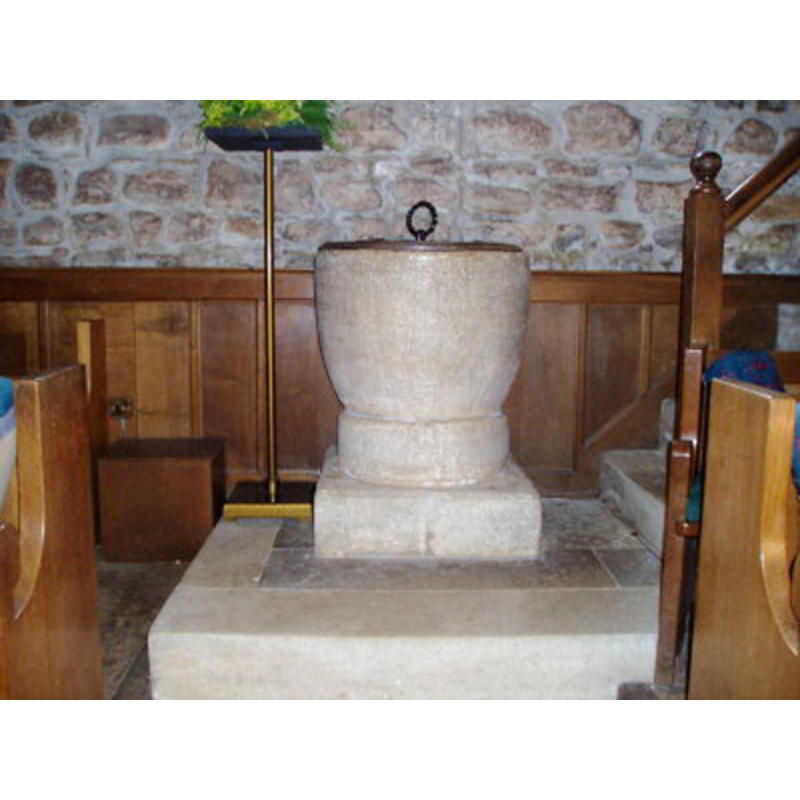
Image copyright © Gerald Duke, 2004
Standing permission
Results: 10 records
view of font and cover
Copyright Statement: Image copyright © Gerald Duke, 2004
Image Source: digital photograph in Gerald Duke [www.martinstown.co.uk]
Copyright Instructions: Standing permission
view of font in context
Copyright Statement: Image copyright © Olivia Suttle, 2004
Image Source: digital photograph supplied by Olivia Suttle and Chris Suttle (www.stone.uk.com)
Copyright Instructions: Image and Permission received (e-mail of 11/3/2004
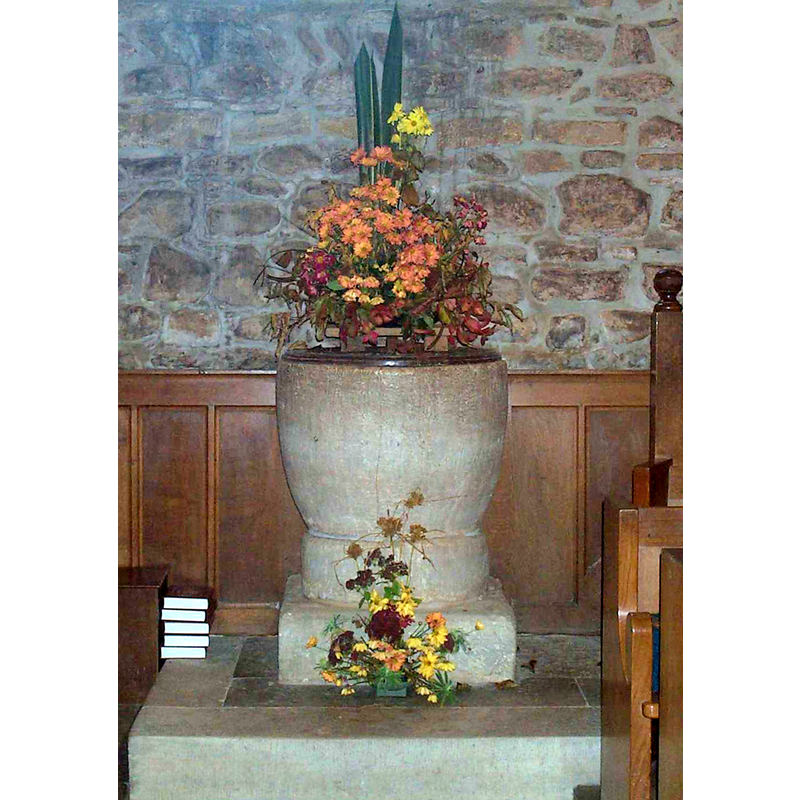
view of font
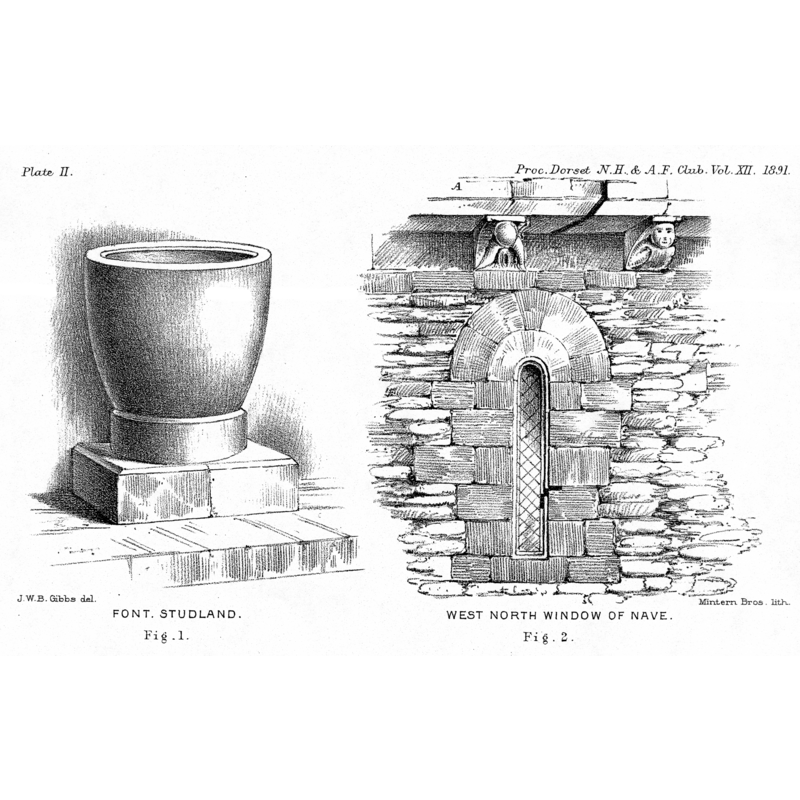
Scene Description: Hardy (1891) suggests that the base of the font was originally part of the north-east window, which would have been much like the north-west illustrated here
Copyright Statement: Image copyright © [in the public domain]
Image Source: engraving, from a drawing by J.W.B. Gibbs, in Hardy (1891)
Copyright Instructions: PD
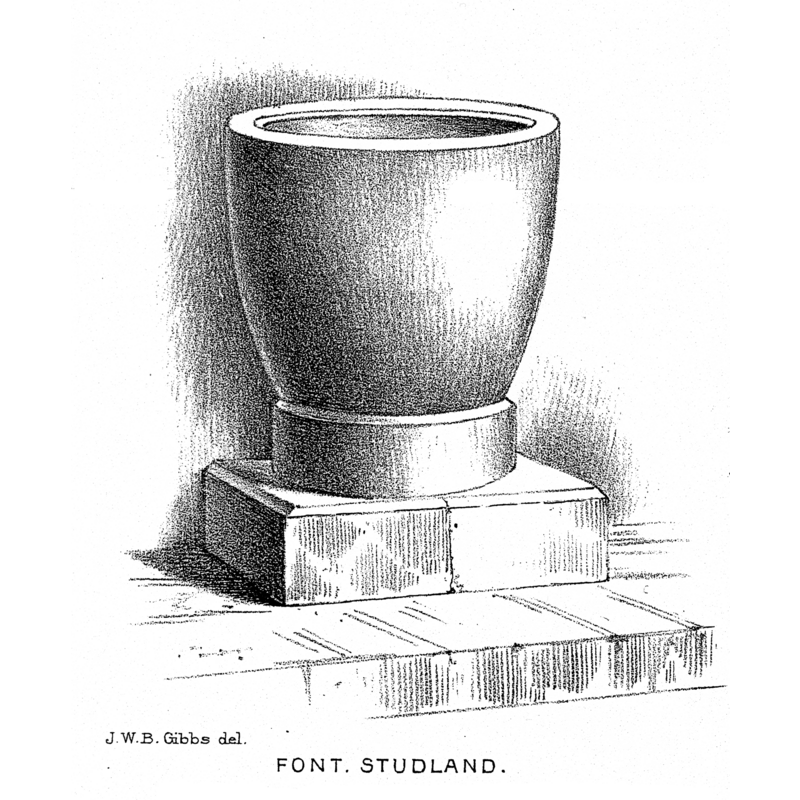
view of font
Copyright Statement: Image copyright © [in the public domain]
Image Source: detail of an engraving, from a drawing by J.W.B. Gibbs, in Hardy (1891)
Copyright Instructions: PD
view of basin - interior
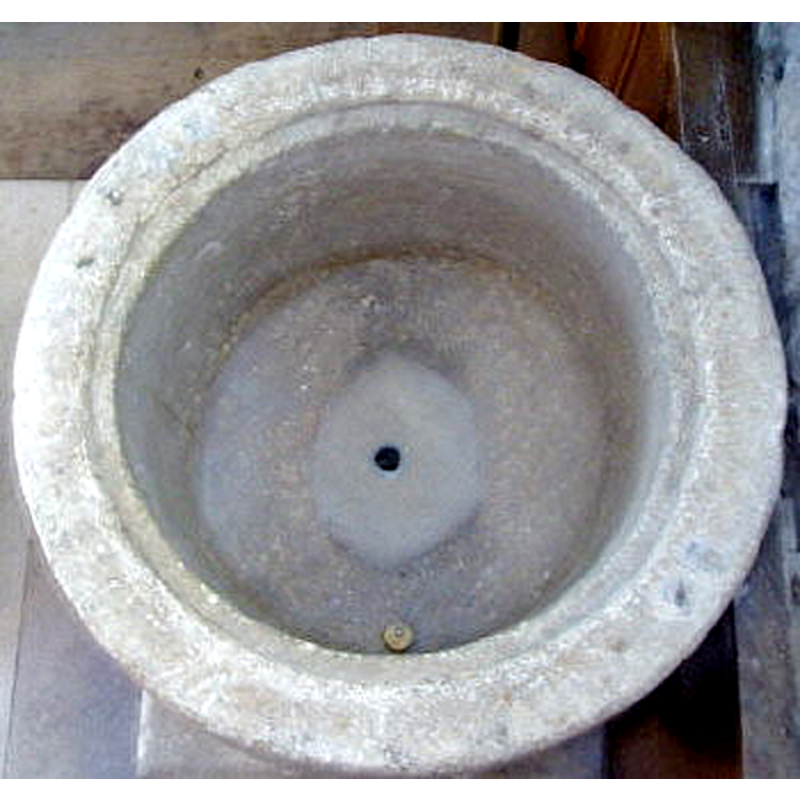
Copyright Statement: Image copyright © Gerald Duke, 2004
Image Source: digital photograph in Gerald Duke [www.martinstown.co.uk]
Copyright Instructions: Standing permission
view of church exterior - southeast view
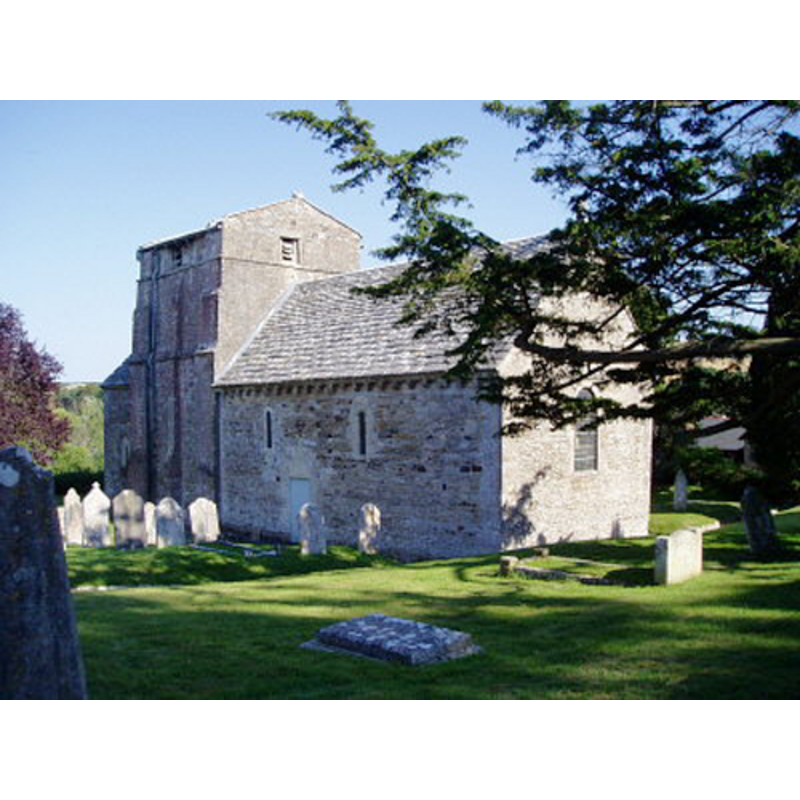
Copyright Statement: Image copyright © Gerald Duke, 2004
Image Source: digital photograph in Gerald Duke [www.martinstown.co.uk]
Copyright Instructions: Standing permission
view of church exterior - north view
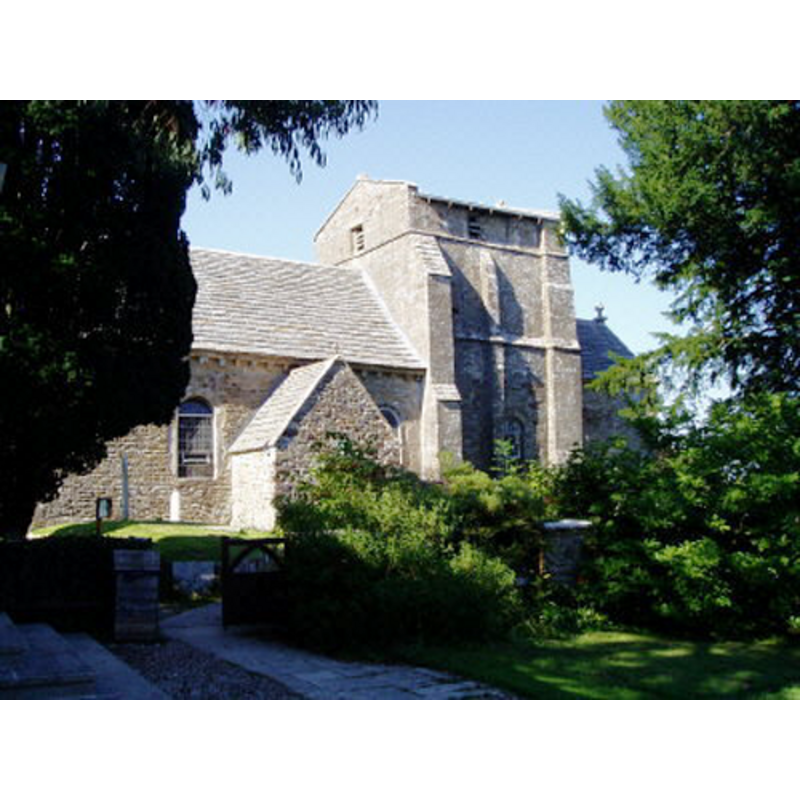
Copyright Statement: Image copyright © Gerald Duke, 2004
Image Source: digital photograph in Gerald Duke [www.martinstown.co.uk]
Copyright Instructions: Standing permission
view of church interior - looking west
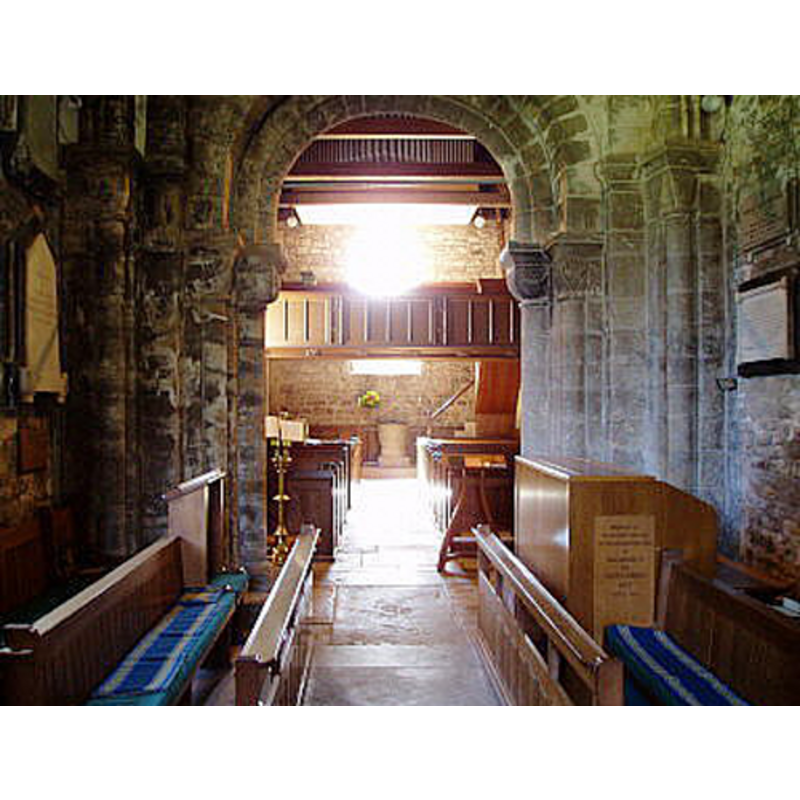
Copyright Statement: Image copyright © Gerald Duke, 2004
Image Source: digital photograph in Gerald Duke [www.martinstown.co.uk]
Copyright Instructions: Standing permission
view of church interior - looking east
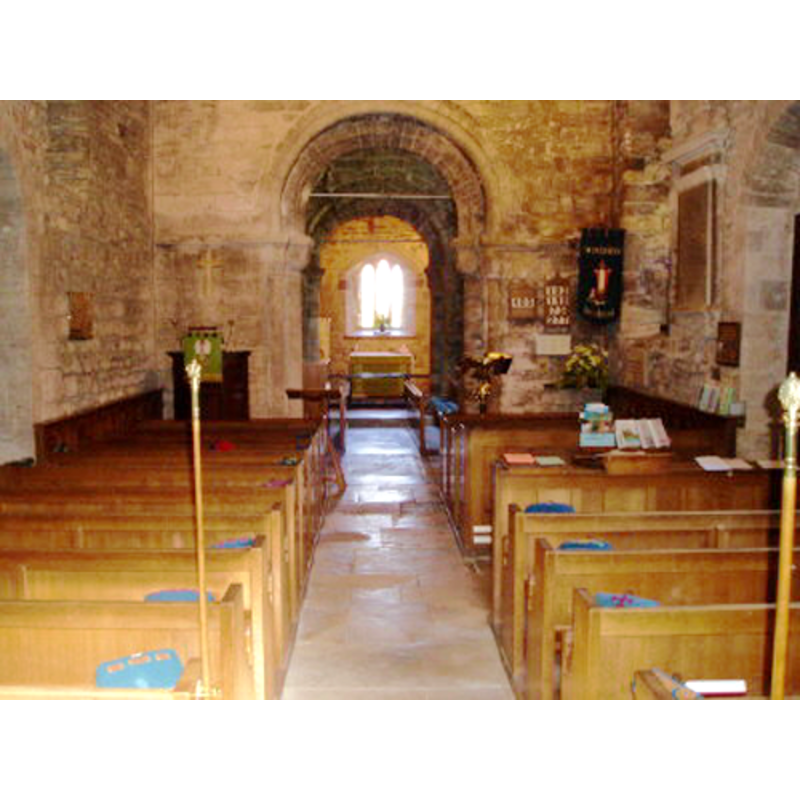
Copyright Statement: Image copyright © Gerald Duke, 2004
Image Source: digital photograph in Gerald Duke [www.martinstown.co.uk]
Copyright Instructions: Standing permission
view of font - plan, elevation, section and sketch
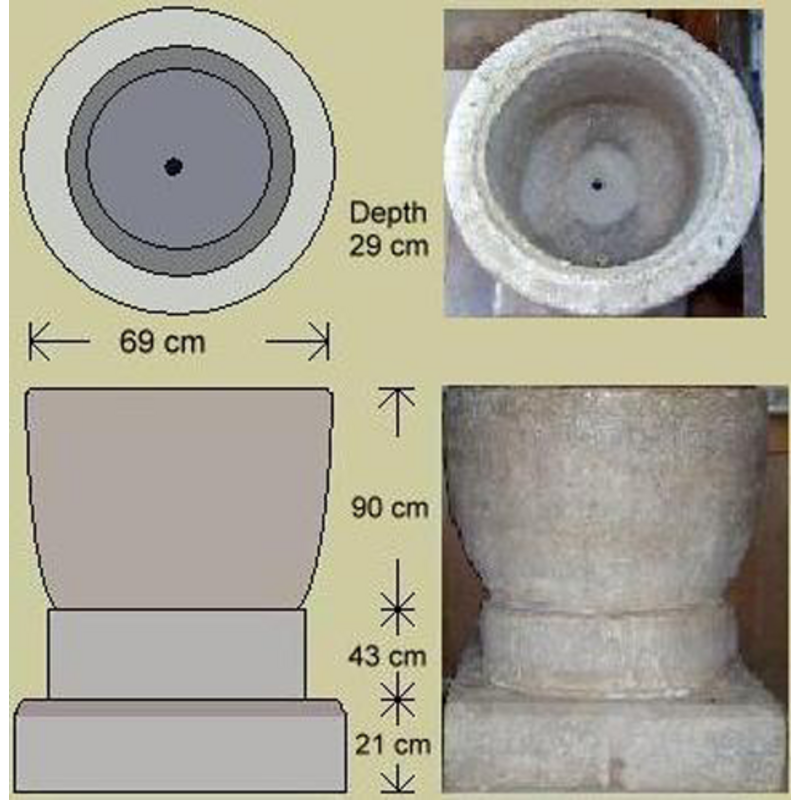
Copyright Statement: Image copyright © Gerald Duke, 2004
Image Source: digital photograph in Gerald Duke [www.martinstown.co.uk]
Copyright Instructions: Standing permission
INFORMATION
Font ID: 09338STU
Object Type: Baptismal Font1
Font Century and Period/Style: 10th - 13th century, Medieval
Cognate Fonts: Duke [cf. infra] suggests the font at Chaldon Herring
Church / Chapel Name: Parish Church of St. Nicholas
Font Location in Church: Inside the church, in the W end of the nave
Church Patron Saint(s): St. Nicholas of Myra [may have been originally dedicated to St. Adhelm in Saxon times]
Site Location: Dorset, South West, England, United Kingdom
Directions to Site: Located on the Purbeck Heritage Coast, just N of Swanage
Additional Comments: recycled font: the lower base is said to have been part of an earlier window [cf. Hardy in FontNotes]
Font Notes:
Click to view
Hutchins (1863-1871) notes simply: "The original circular font remains." Noted, with a drawing by J.W.B. Gibbs, in Hardy (1891): "The font stands under the galler at the W. end [...], very ancient, rudely axed out of Purbeck 'burr', with a rim four inches thick, and it was either lined with lead, or rimmed for a cover -- perhaps both. The stone which supports the bowl is a window head, similar to the one inserted in N.W. window [...], evidently taken from the N.E. nave window." In Long (1923) as a Norman font. Mee (1939) writes: "The font may be older than the Normans". Described in Betjeman (1958): "Chalice-shaped font 12th century and mutilated". The RCHM (1970) dates the font to the 12th century as well. Described and illustrated in Olivia Suttle's 'Suttle Natural Stone -- Grand Origins: Purbeck Stone, A History' [www.stone.uk.com/history], who identifies the material as Purbeck stone, "a polishable fossily limestone" (after R. Legg, 1989). The basin is tub-shaped, round, tapering about 1/3 towards its bottom; the base, which may part of the same block, is cylindrical, and the lower base square, all of it plain. The quadrangular plinth appears modern, as does the flat wooden cover. Described and fully illustrated in Gerald Duke [www.martinstown.co.uk], who suggests the font at Chaldon Herring as cognate. [We are grateful to Olivia Suttle, and to Chris Suttle, of www.stone.uk.com, and to Geral Duke, of www.martinstown.co.uk, for the information on and images of this font and church]
Credit and Acknowledgements: We are grateful to Olivia Suttle, and to Chris Suttle, of www.stone.uk.com, and to Geral Duke, of www.martinstown.co.uk, for the information on and images of this font and church.
MEDIUM AND MEASUREMENTS
Material: stone, limestone (Purbeck marble)
Number of Pieces: three
Font Shape: tub-shaped, mounted
Basin Interior Shape: round
Basin Exterior Shape: round
Drainage System: centre hole in basin
Rim Thickness: 10 cm*
Diameter (inside rim): 49 cm*
Diameter (includes rim): 69 cm*
Basin Depth: 29 cm*
Basin Total Height: 47 cm*
Height of Base: 43 cm*
Font Height (less Plinth): 90 cm*
Notes on Measurements: * [all measurements courtesy of Gerald Duke [www.martinstown.co.uk]]
LID INFORMATION
Date: modern
Material: wood
Apparatus: no
Notes: flat and plain
REFERENCES
- Betjeman, John, An American's Guide to English Parish Churches (including the Isle of Man), New York: McDowell, Obolensky, 1958, p. 149
- Great Britain. Royal Commission on Historical Monuments, Royal Commission on Historical Monuments in the County of Dorset, London: H.M. Stationary Office, 1970, vol. 2, pt. 2: 276-279
- Hardy, William Masters, "A study on the work of preservation of the Church of St. Nicholas, Stdland, Dorset, from its original foundation by the Saxons to the date of its completion by the Normans", XII, Proceedings of the Dorset Natural History and Archaeological Society, 1891, pp. [164]-179; p. 176-177 and pl. 2
- Hutchins, John, The History and Antiquities of the County of Dorset, Westminster: J.B. Nichols, 1861-1873, vol. 1: 653
- Long, E.T., "Dorset church fonts", 44, Proceedings of the Dorset Natural History and Antiquarian Field Club, 1923, pp. 62-76; p. 67, 75
- Mee, Arthur, The King's England. Dorset: Thomas Hardy's Country, London: Hodder & Stoughton, 1939, p. 243