Lupton
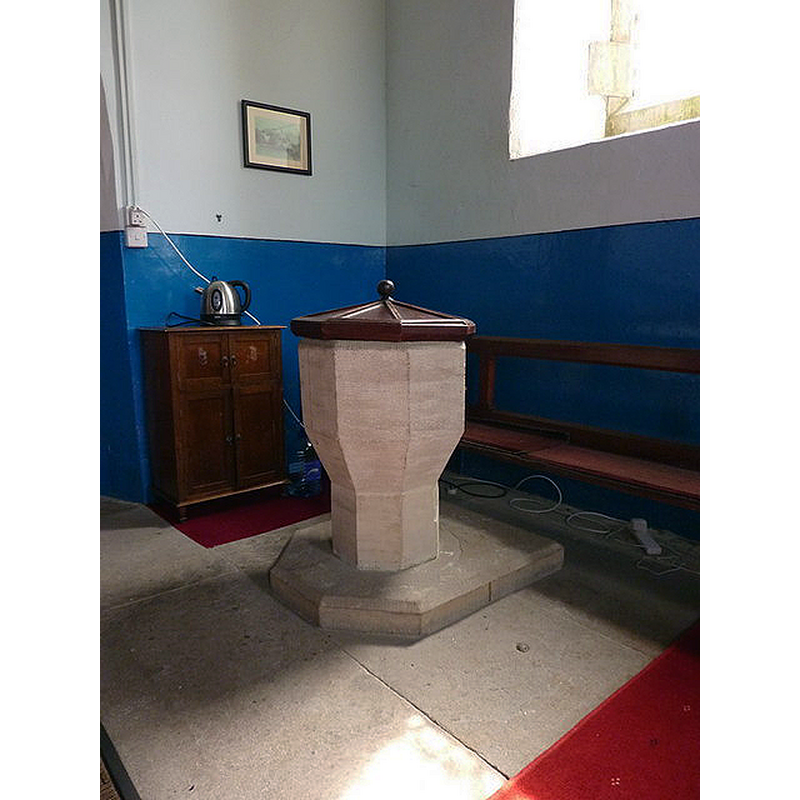
Image copyright © Alexander P Kapp, 2010
CC-BY-SA-2.0
Results: 5 records
view of font and cover in context - northeast side
Copyright Statement: Image copyright © Alexander P Kapp, 2010
Image Source: digital photograph taken 28 April 2010 by Alexander P Kapp [www.geograph.org.uk/photo/1830055] [accessed 6 February 2020]
Copyright Instructions: CC-BY-SA-2.0
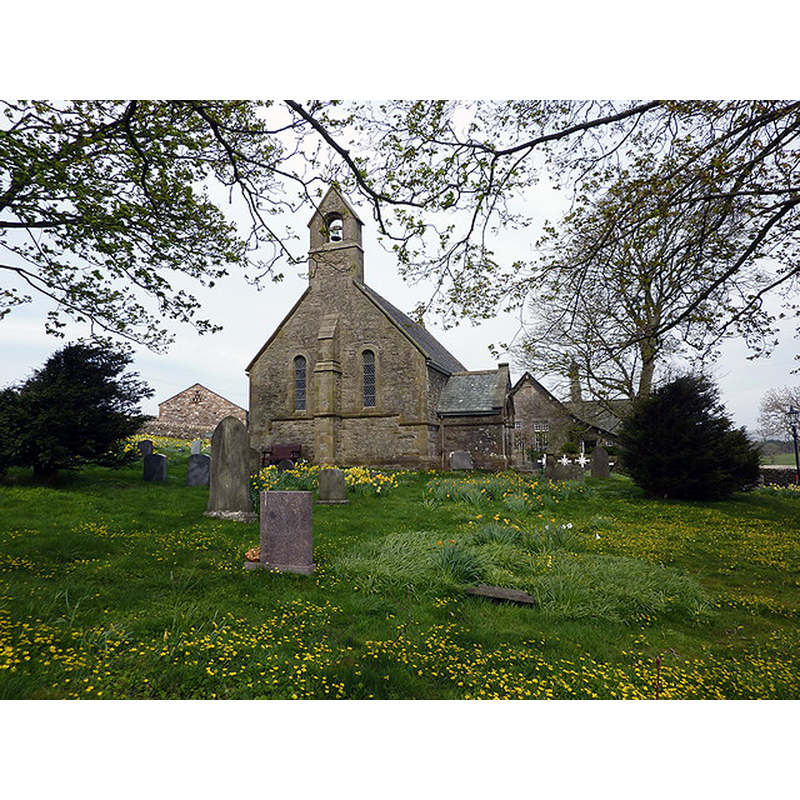
view of church exterior in context - southwest view
Copyright Statement: Image copyright © Alexander P Kapp, 2010
Image Source: digital photograph taken 28 April 2010 by Alexander P Kapp [www.geograph.org.uk/photo/1830066] [accessed 6 February 2020]
Copyright Instructions: CC-BY-SA-2.0
view of church interior - looking west
![the font is partially visible at the far end, left [south] side](/static-50478a99ec6f36a15d6234548c59f63da52304e5/compressed/1200207016_compressed.png)
Scene Description: the font is partially visible at the far end, left [south] side
Copyright Statement: Image copyright © Alexander P Kapp, 2010
Image Source: digital photograph taken 28 April 2010 by Alexander P Kapp [www.geograph.org.uk/photo/1830061] [accessed 6 February 2020]
Copyright Instructions: CC-BY-SA-3.0
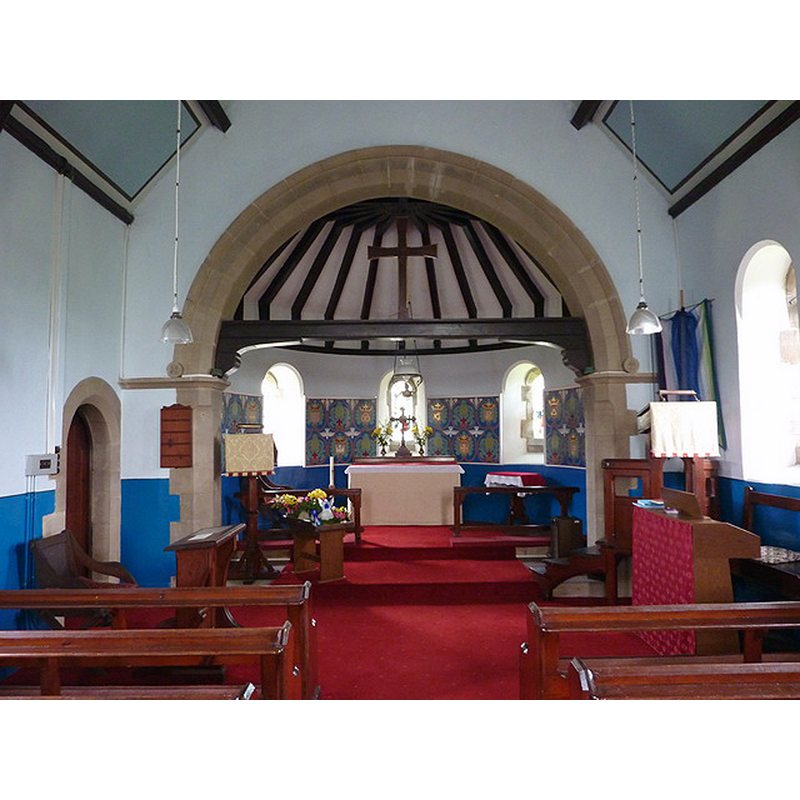
view of church interior - looking east
Copyright Statement: Image copyright © Alexander P Kapp, 2010
Image Source: digital photograph taken 28 April 2010 by Alexander P Kapp [www.geograph.org.uk/photo/1830056] [accessed 6 February 2020]
Copyright Instructions: CC-BY-SA-3.0
inscription
![Date: 1686 [cf. Font notes]](/static-50478a99ec6f36a15d6234548c59f63da52304e5/others/image_not_available.jpg)
Scene Description: Date: 1686 [cf. Font notes]
![Date: 1686 [cf. Font notes]](/static-50478a99ec6f36a15d6234548c59f63da52304e5/bsi-testing-site/others/image_not_available.jpg)
INFORMATION
Font ID: 07297LUP
Object Type: Baptismal Font1
Font Date: 1686?
Font Century and Period/Style: 17th century, Restoration
Church / Chapel Name: Church of All Saints
Font Location in Church: Inside the church
Church Patron Saint(s): All Saints
Church Notes: present church mid-19thC in neo-Norman style
Church Address: Lupton, Carnforth LA6 2PX, UK
Site Location: Cumbria, North West, England, United Kingdom
Directions to Site: Located on the A65, 16 km ESS of Kendal (dir. Kirkby Lonsdale)
Ecclesiastic Region: Diocese of Carlisle
Historical Region: formerly Westmoreland
Additional Comments: recycled font: though dated 1686 it may be earlier; font from another church -- price of a font: sold by the churchwardens for six shillings in 1686
Font Notes:
Click to view
Scott (1899) writes: "Occasionally churchwardens were guilty of what would seem to have been vandalism. At Kirkby Lonsdale (1686), they recorded the lost of a Norman font: 'Received for the old font stone, 6d.'" Described in Cox & Harvey (1907) as a baptismal font dated 1686 by an inscription. Pevsner (1967) notes: "Font. From Kirkby Lonsdale church. The RCHM says that a date 1686 is assigned to it. However, it does not look that period." [NB: Kirkby Lonsdale St Mary's dates back to Norman times; whatever the date on the font, it is quite common for earlier fonts to bear dates of restoration after the Reformation; Pevsner may be right and the font may indeed belong to an earlier date despite the date in the inscription, unless the font sold by the churchwardens was the original font from the Norman church]. The entry for this church in Historic England [Listing NGR: SD5674480876] notes; "Church. 1867 [...] Plain octagonal font said to be c1686 from Kirkby Lonsdale parish church (RCHM)."
COORDINATES
UTM: 30U 521849 6008252
Latitude & Longitude (Decimal): 54.2218, -2.6649
Latitude & Longitude (DMS): 54° 13′ 18.48″ N, 2° 39′ 53.64″ W
MEDIUM AND MEASUREMENTS
Material: stone
Font Shape: octagonal, mounted
Basin Exterior Shape: octagonal
INSCRIPTION
Inscription Language: numbers
Inscription Text: [1686]
Inscription Notes: [cf. FontNotes regarding the possible meaning of this date]
Inscription Source: Cox & Harvey (1907: 175)
LID INFORMATION
Date: modern?
Material: wood, oak?
Apparatus: no
Notes: octagonal with ball finisl/handle; appears modern
REFERENCES
- Cox, John Charles, English Church Furniture, New York: E.P. Dutton & Co., 1907, p. 225
- Pevsner, Nikolaus, Cumberland and Westmorland, Harmondsworth: Penguin Books, 1967, p. 274
- Scott, Daniel, Bygone Cumberland and Westmorland, London: William Andrews & Co., 1899, p. 51