Leigh nr. Swindon / The Leigh
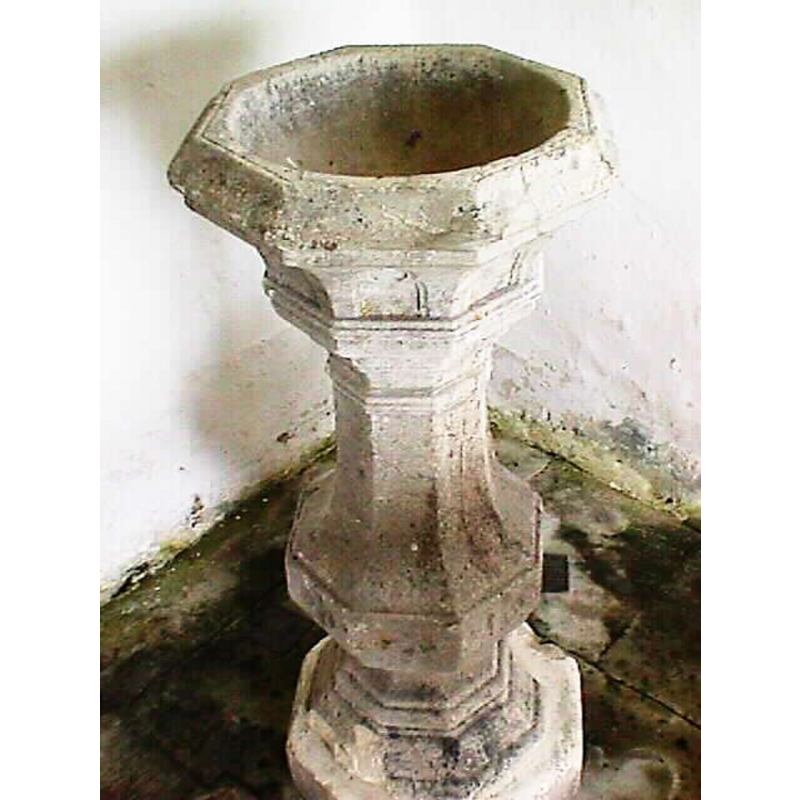
Image copyright © John Wilkes, 2006
Standing permission
Results: 8 records
view of font
Scene Description: the 18th-century font
Copyright Statement: Image copyright © John Wilkes, 2006
Image Source: digital photograph taken by John Wilkes in May 2006
Copyright Instructions: Standing permission
view of church exterior - southeast view
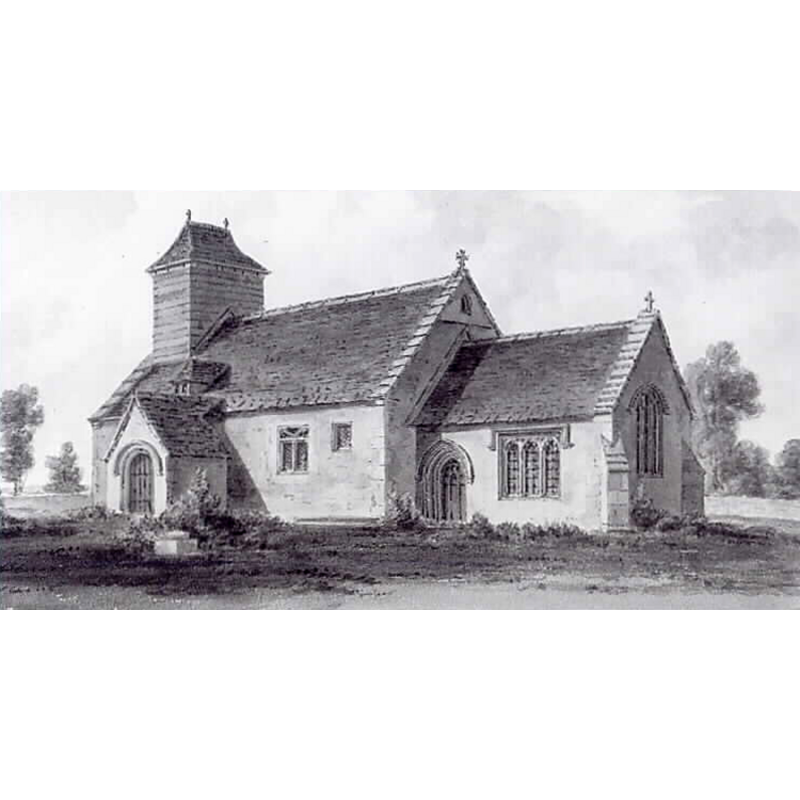
Scene Description: a view of the church before it was split and moved
Copyright Statement: Image copyright © Church Pamphlet, [s.d.]
Image Source: digital photograph taken by John Wilkes in May 2006
Copyright Instructions: Standing permission
view of church interior - chancel
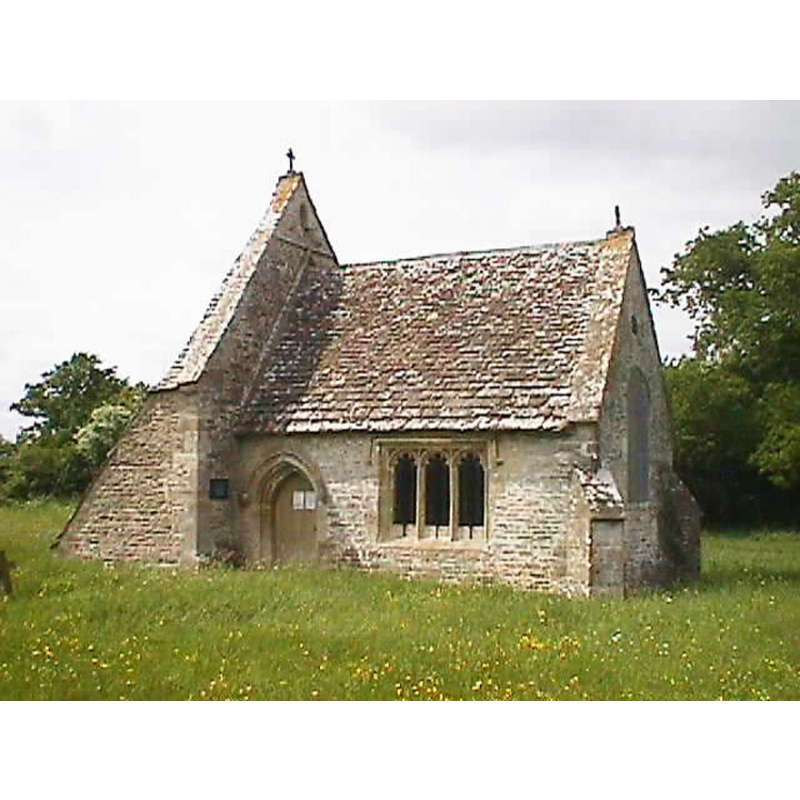
Scene Description: current view of the original chancel
Copyright Statement: Image copyright © John Wilkes, 2006
Image Source: digital photograph taken by John Wilkes in May 2006
Copyright Instructions: Standing permission
view of church exterior - south view
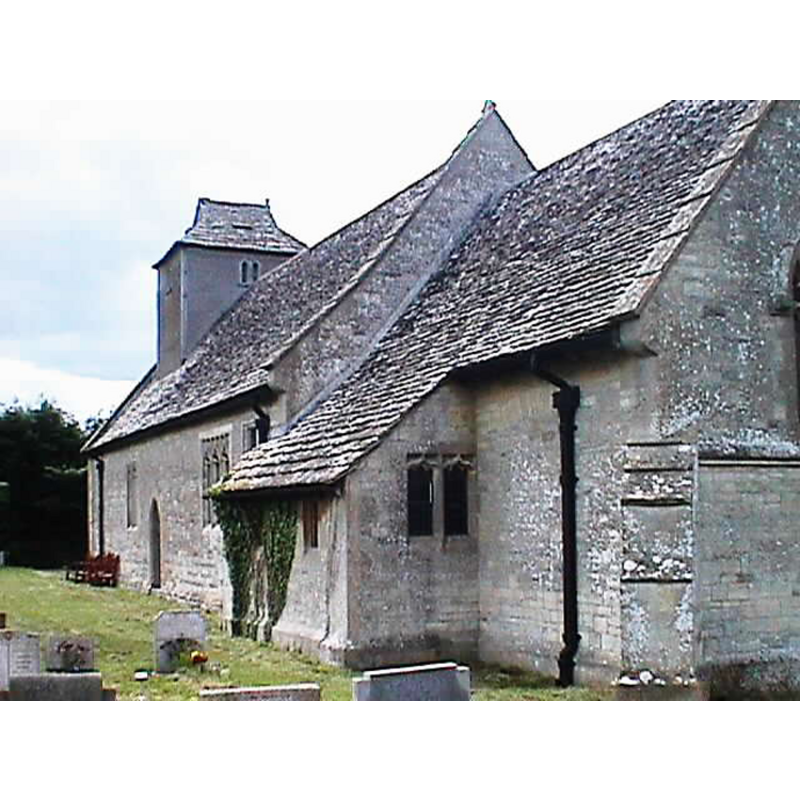
Scene Description: current view of the church with the newly added chancel
Copyright Statement: Image copyright © John Wilkes, 2006
Image Source: digital photograph taken by John Wilkes in May 2006
Copyright Instructions: Standing permission
information - sign/label
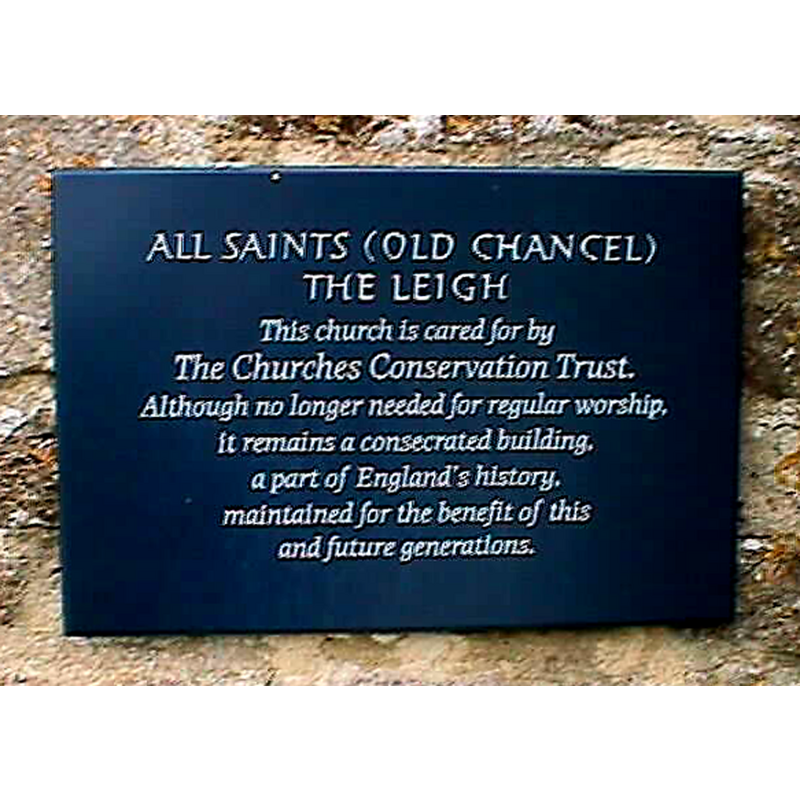
Copyright Statement: Image copyright © John Wilkes, 2006
Image Source: digital photograph taken by John Wilkes in May 2006
Copyright Instructions: Standing permission
information - sign/label
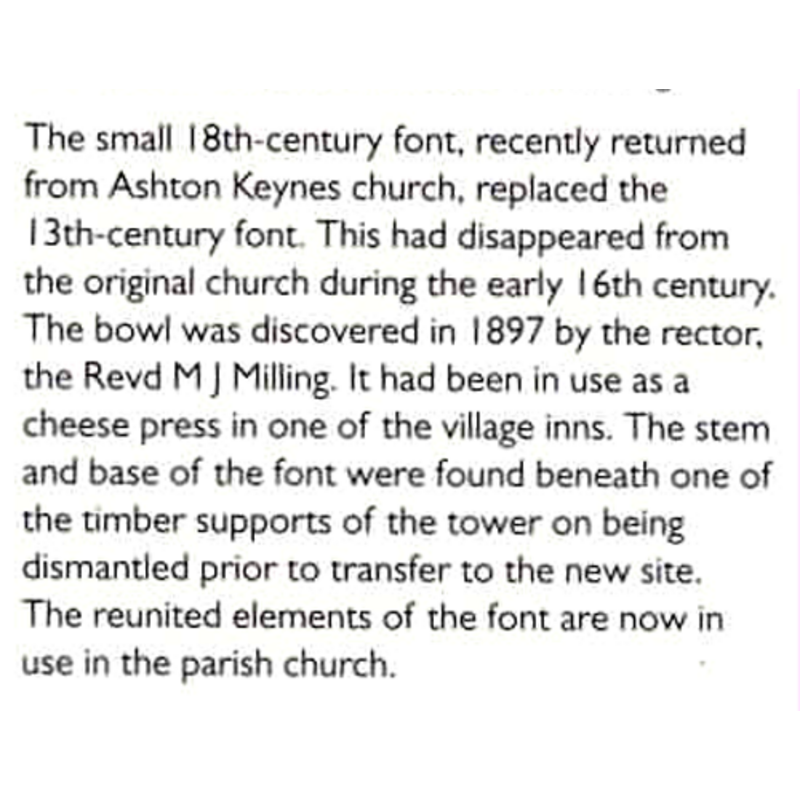
Copyright Statement: Image copyright © Church Pamphlet, [s.d.]
Image Source: digital photograph taken by John Wilkes in May 2006
Copyright Instructions: Standing permission
information - sign/label
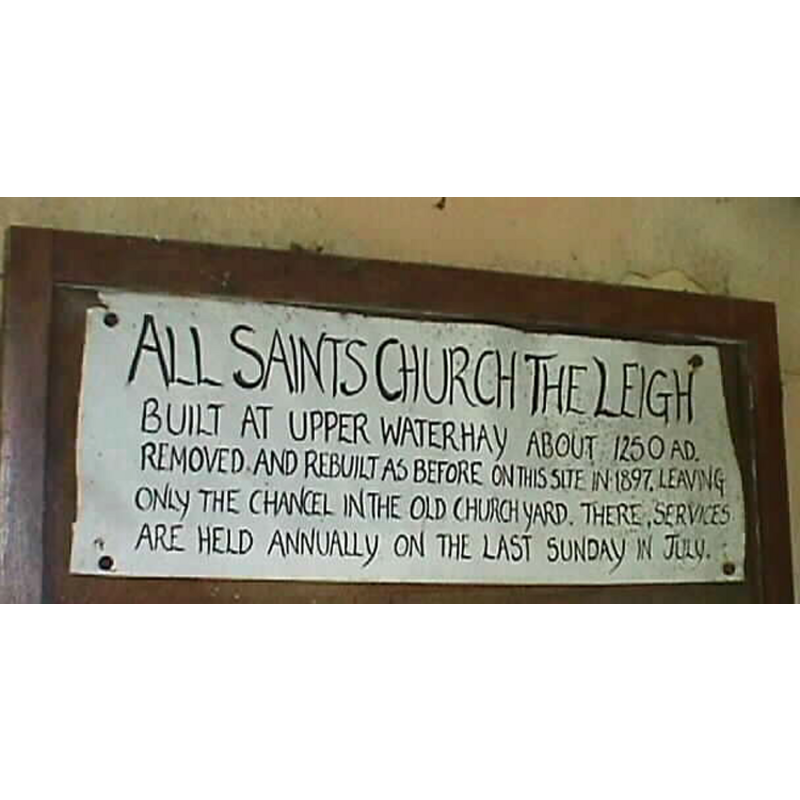
Copyright Statement: Image copyright © John Wilkes, 2006
Image Source: digital photograph taken by John Wilkes in May 2006
Copyright Instructions: Standing permission
view of font

Scene Description: the restored old font
Copyright Statement: Image copyright © Buck, 1951
Image Source: B&W photograph in Leigh (1951)
Copyright Instructions: PERMISSION NOT AVAILABLE -- IMAGE NOT FOR PUBLIC USE
INFORMATION
Font ID: 05436LEI
Object Type: Baptismal Font1
Font Date: ca. 1250?
Font Century and Period/Style: 13th century, Early English
Cognate Fonts: other quatrefoil-shaped basins of this period: Berrow (Somerset), Broadwell and Westwell (Oxon), Frithelstock (Devon) and Stevington (Beds)
Church / Chapel Name: Parish Church of All Saints
Font Location in Church: Now inside the 'new' [i.e., re-built & re-located] church [cf. FontNotes]]
Church Patron Saint(s): All Saints
Church Notes: The chancel of this church is in Upper Waterhay but the nave and tower were moved to Swan Lane, in the Leigh, with a new chancel added to the reconstruction.
Site Location: Wiltshire, South West, England, United Kingdom
Directions to Site: Located off the B4040, 5 km WSW of Cricklade, about 12 km WNW of Swindon
Additional Comments: recycled font: basin used as cheese press in a local Inn; earlier as cattle-trough -- stem and base built into the tower base -- the chancel of the church in Upper Waterhay -- nave and tower to Swan Lane -- MUST USE
Font Notes:
Click to view
Bond (1908) relates that "the font at Leigh, near Cricklade, was alienated and applied to base uses c. 1630; the stem was found built up in the church ower; the bowl was picked up in a neighbouring village". Buck (1951) refers to an article by architect C.E. Ponting in The Wiltshire Archaeological and Natural History Magazine (vol. XXX) in which details of how "the Vicar discovered the bowl being used as a cheese-press at an inn at Ashton Keynes, it previously having been used as a cattle-trough, and that he (Mr. Ponting) recognised it as belonging to the stem which he had discovered under the floor of the nave. He the reuninted the two parts for use in the new church after alienation for nearly 270 years". There are two fonts now [2006] in this church. James Fielding, on his visit of 28 January 2006 wrote: "The font is of quatrefoil shape and is probably Early English." [under heading "William Morris & the Locked Churches of Wiltshire', in 'Accounts of a church photographer: the trials and tribulations of a photographer of churches and other buildings', [http://digiatlas.blogspot.com/2006_01_01_digiatlas_archive.html]. A notice in the church informs that the 18th-century baluster-type font was recently [?] returned from Ashton Keynes; the original 13th-century font has disappeared "during the early 16th century. The bowl was discovered in 1897 by the rector. the Revd M J Milling. It has been in use as a cheese press in one of the village inns. The stem and base of the font were found beneath the timber supports of the tower on being dismantled prior to transfer to the new site. The reunited elements of the [old] font are now in use in the parish church."
Credit and Acknowledgements: We are grateful to John Wilkes, of www.allthecotswolds.com, for his photographs of church and font.
MEDIUM AND MEASUREMENTS
Material: stone
Font Shape: quatrefoil, mounted
Basin Interior Shape: quatrefoil
Basin Exterior Shape: quatrefoil
Diameter (includes rim): 75 cm*
Basin Depth: 25 cm*
Font Height (less Plinth): 75 cm*
Notes on Measurements: * [in inches in Buck (1951)]
REFERENCES
- Bond, Francis, Fonts and Font Covers, London: Waterstone, 1985 c1908, p. 277