Aix-en-Provence No. 2
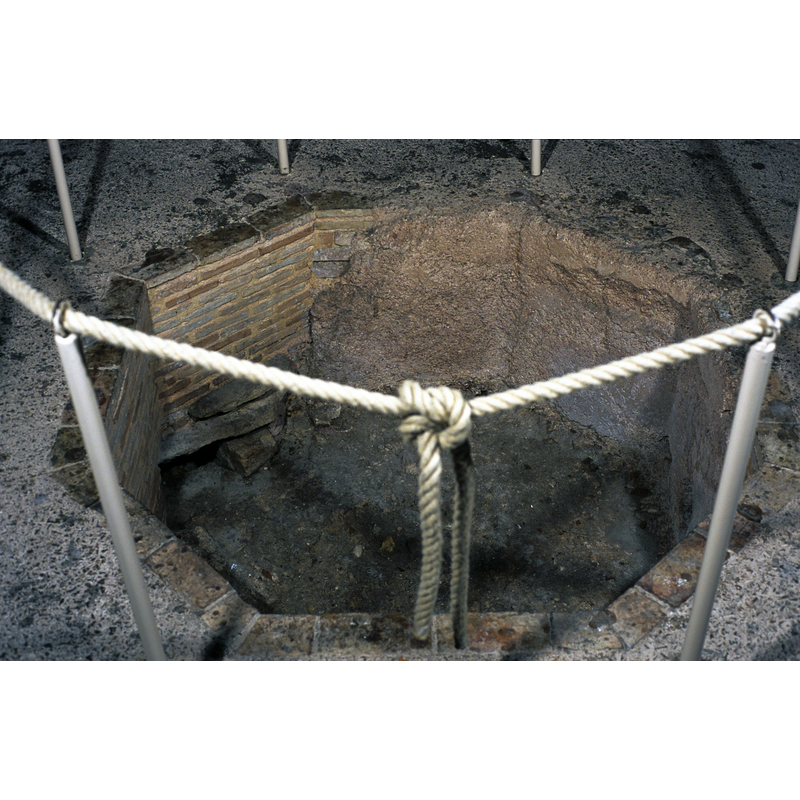
Image copyright © Baptisteria Sacra Index, 2023
CC-BY-NC-ND-4.0
Results: 4 records
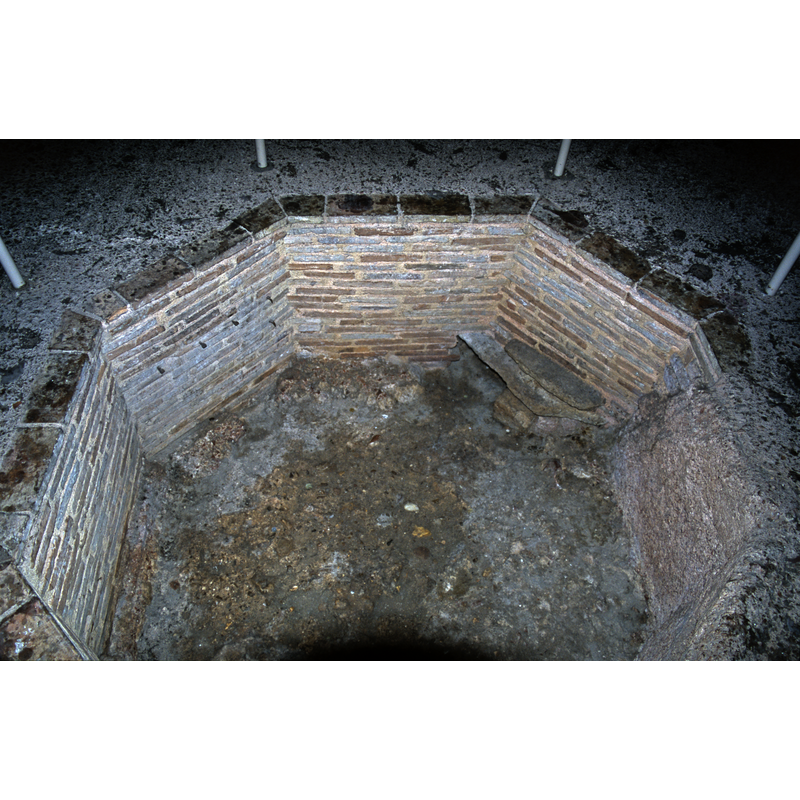
view of font
Copyright Statement: Image copyright © Baptisteria Sacra Index, 2023
Image Source: digital image of a photograph taken 9 June 2001 by BSI
Copyright Instructions: CC-BY-NC-ND-4.0
Copyright Statement: Image copyright © Baptisteria Sacra Index, 2023
Image Source: digital image of a photograph taken 9 June 2001 by BSI
Copyright Instructions: CC-BY-NC-ND-4.0
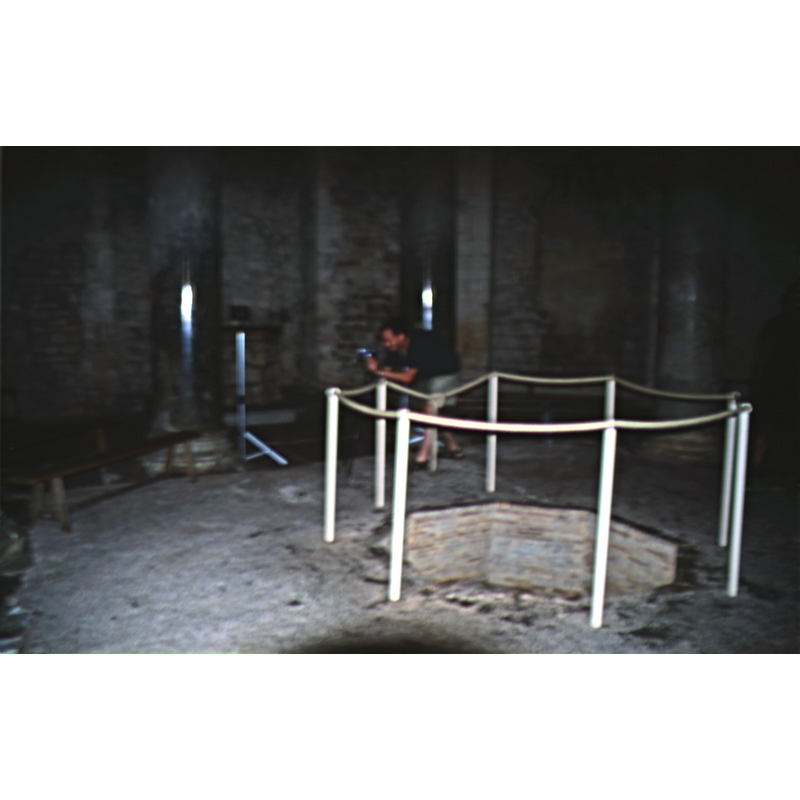
view of font in context
Copyright Statement: Image copyright © Baptisteria Sacra Index, 2023
Image Source: digital image of a photograph taken 9 June 2001 by BSI
Copyright Instructions: CC-BY-NC-ND-4.0
view of church interior - baptistery
Copyright Statement: Image copyright © Baptisteria Sacra Index, 2023
Image Source: digital image of a photograph taken 9 June 2001 by BSI
Copyright Instructions: CC-BY-NC-ND-4.0
INFORMATION
Font ID: 03769AIX
Object Type: Baptismal Font3
Date Visited: 2001-06-09
Font Century and Period/Style: 5th century, Early Christian
Church / Chapel Name: Cathédrale du Saint-Sauveur, Aix-en-Provence
Font Location in Church: South side of the western door
Church Patron Saint(s): Our Saviour
Church Address: 34 Pl. des Martyrs de la Resistance, 13100 Aix-en-Provence, France -- Tel.: +33 4 42 23 45 65
Site Location: Bouches-du-Rhône, Provence-Alpes-Côte d'Azur, France, Europe
Directions to Site: In Aix-en-Provence, within the cathédral St-Sauveur grounds, between the cathedral itself, the cloister and another building.
Font Notes:
Click to view
The octagonal "cuve baptismale" itself is right at the centre of the baptistery building (this "cuve" is dated by Enlart (1902) to the 14th century, and by Corblet (1881-1882) to the 13th or 14th century. As in Frejus, there is a tub-shaped font or well under one of the arches of the baptistery. Delcor (1973) dates this font "dans ses parties anciennes" to the 4th or 5th century. On-site notes: the present remains of the sunken piscina is a brick-lined octagonal cavity of 185 x 167 cm at its widest angles and 77 cm deep. Ferguson (2009) gives slightly different measurements.
COORDINATES
UTM: 31T 697743 4822799
Latitude & Longitude (Decimal): 43.531944, 5.447222
Latitude & Longitude (DMS): 43° 31′ 55″ N, 5° 26′ 50″ E
MEDIUM AND MEASUREMENTS
Material: brick, brick
Font Shape: sunken font, octagonal
Basin Interior Shape: octagonal
Basin Exterior Shape: octagonal
Drainage System: two drain holes
Drainage Notes: The drain holes are located on the bottom, close to one side
Diameter (inside rim): 135 cm**
Basin Depth: 77 cm [83 cm* / 77 cm*]
Trapezoidal Basin: 185 x 167 cm*
Notes on Measurements: BSI on-site / ** Ferguson (2009) gives two depths for the two different phases of the font -- he gives the outer diameter at 135 cm
REFERENCES
- Les premiers monuments chrétiens de la France, Paris: A. Picard ; Ministère ce la culture et de la francophonie, Direction du patrimoine, Sous-direction de l'archéologue, 1995-1998, vol. 1: p. 109-117
- Corblet, Jules, Histoire dogmatique, liturgique et archéologique du sacrement de baptême, Paris: V. Palme, 1881-1882, vol. 2, p. 51
- Delcor, M., "Les cuves romanes et leur figuration en Roussillon, Cerdagne et Conflent", 4, Cahiers Saint-Michel-de-Cuxa, 1973, pp. 96-109, 4 pl.; p. 97
- Enlart, Camille, Manuel d'archéologie française depuis les temps mérovingiens jusqu'à la Renaissance, Paris: Alphonse Picard & fils, 1902, p. 773 footnote 1
- Ferguson, Everett, Baptism in the Early Church: history, theology, and liturgy in the first five centuries, Grand Rapids, MI: William B. Eerdmans, 2009, p. 843
- Guyon, Jean, Les premiers baptistères des Gaules (IVe-VIIIe siècles), Roma: Unione Internazionale degli Istituti di Archeologia, Storia e Storia dell'Arte in Roma / Union des instituts étrangers de Rome, 2000
- Phaidon, Provence and the Côte d'Azur: a Phaidon Cultural Guide, Oxford: Phaidon Press, 1986, p. 10
- Tyrrell-Green, E., Baptismal Fonts Classified and Illustrated, London: Society for Promoting Christian Knowledge: The Macmillan Co., 1928, p. 14