Cadenet / Cadanetum / Cadenetum / Pagus Caudellensis
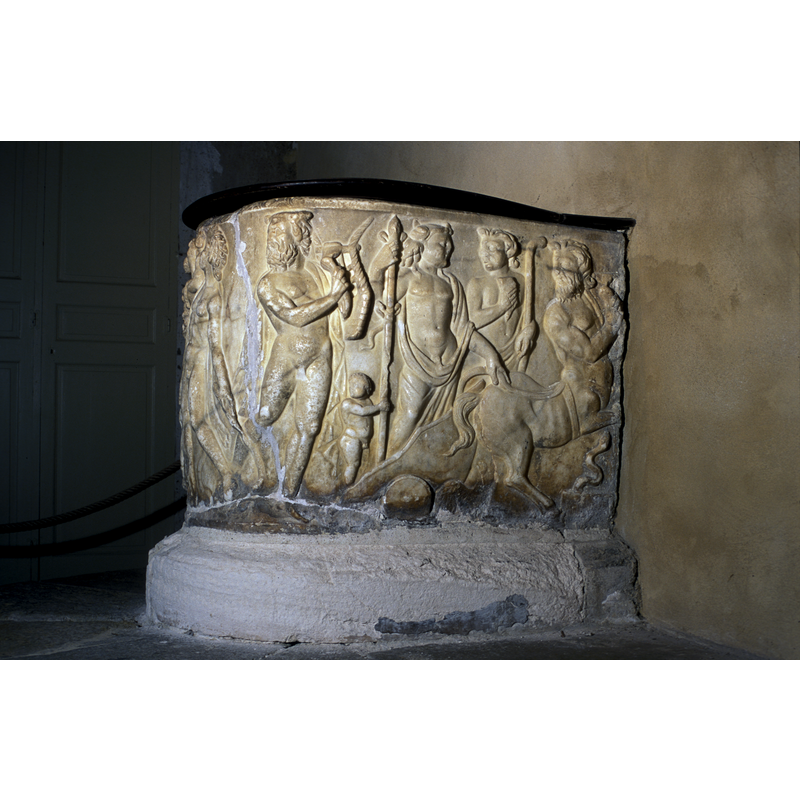
Image copyright © Baptisteria Sacra Index, 2023
CC-BY-NC-ND-4.0
Results: 14 records
view of font and cover
Copyright Statement: Image copyright © Baptisteria Sacra Index, 2023
Image Source: digital image of a photograph taken 12 June 2001 by BSI
Copyright Instructions: CC-BY-NC-ND-4.0
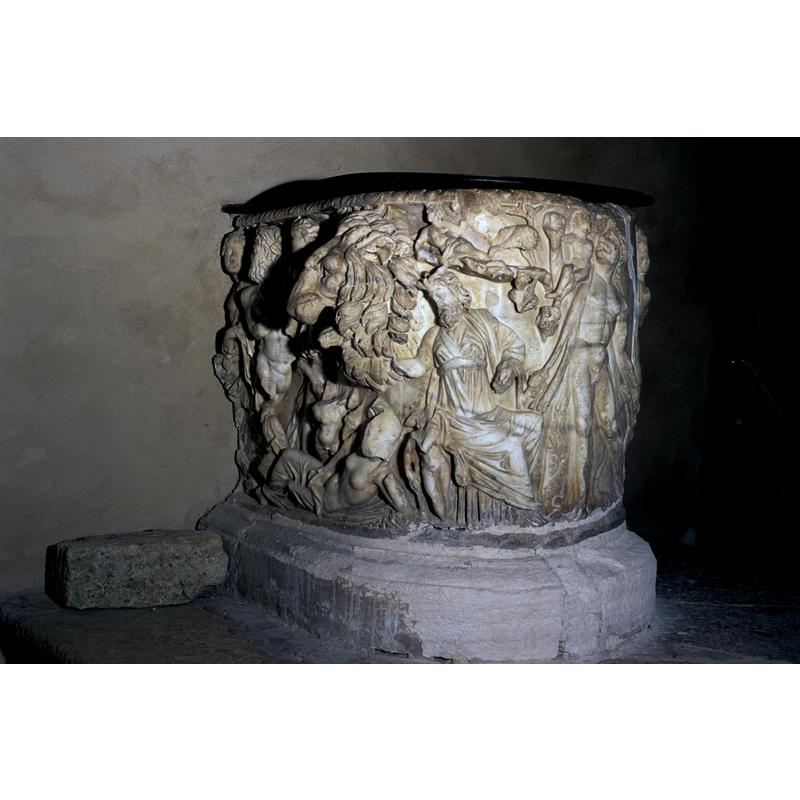
view of font
Copyright Statement: Image copyright © Baptisteria Sacra Index, 2023
Image Source: digital image of a photograph taken 12 June 2001 by BSI
Copyright Instructions: CC-BY-NC-ND-4.0
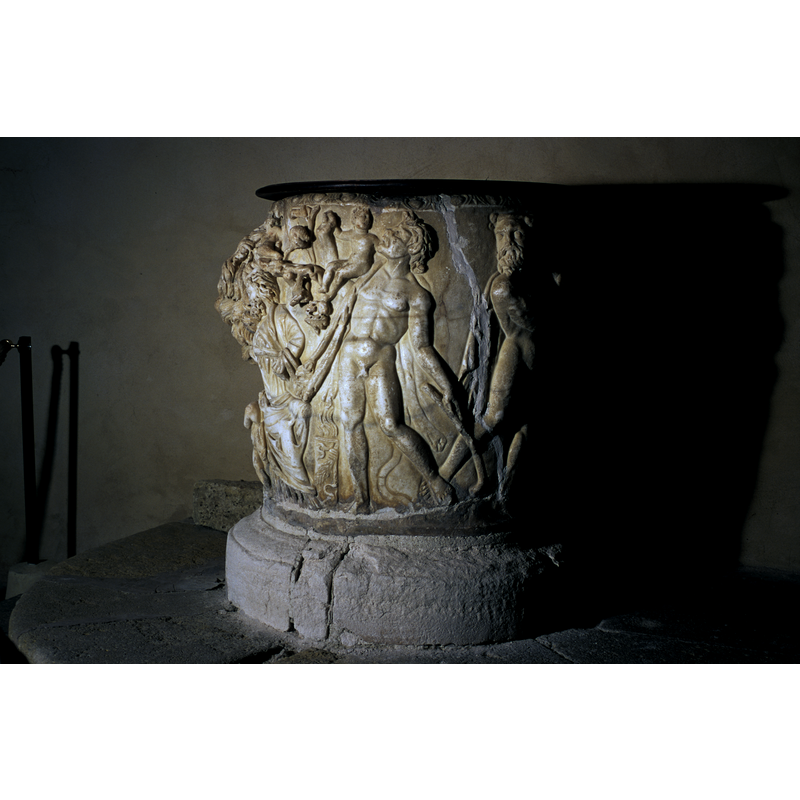
view of font
Copyright Statement: Image copyright © Baptisteria Sacra Index, 2023
Image Source: digital image of a photograph taken 12 June 2001 by BSI
Copyright Instructions: CC-BY-NC-ND-4.0
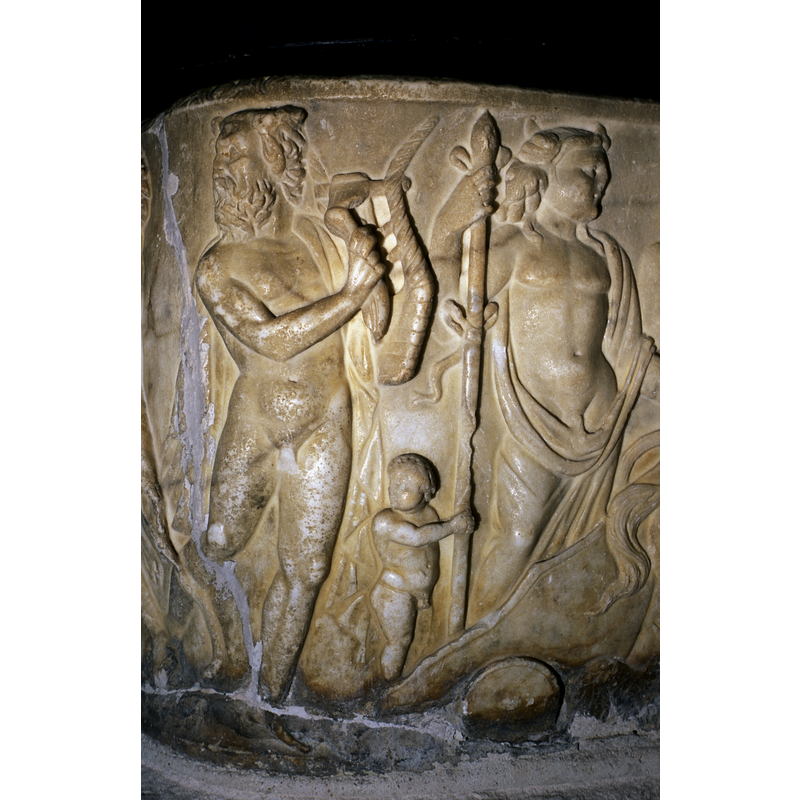
view of basin - detail
Copyright Statement: Image copyright © Baptisteria Sacra Index, 2023
Image Source: digital image of a photograph taken 12 June 2001 by BSI
Copyright Instructions: CC-BY-NC-ND-4.0
view of basin - detail
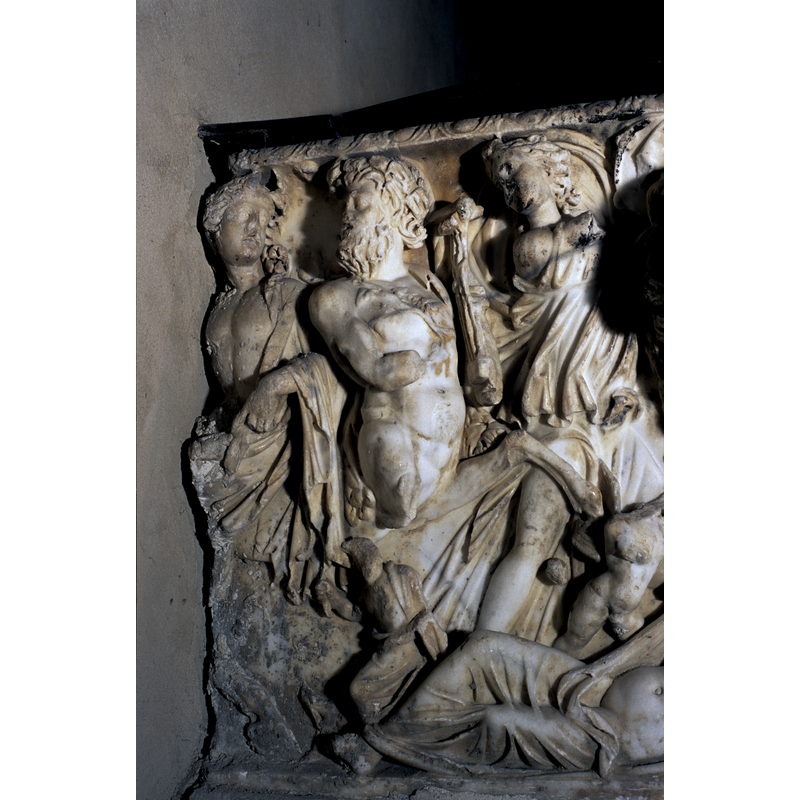
Copyright Statement: Image copyright © Baptisteria Sacra Index, 2023
Image Source: digital image of a photograph taken 12 June 2001 by BSI
Copyright Instructions: CC-BY-NC-ND-4.0
view of basin - detail
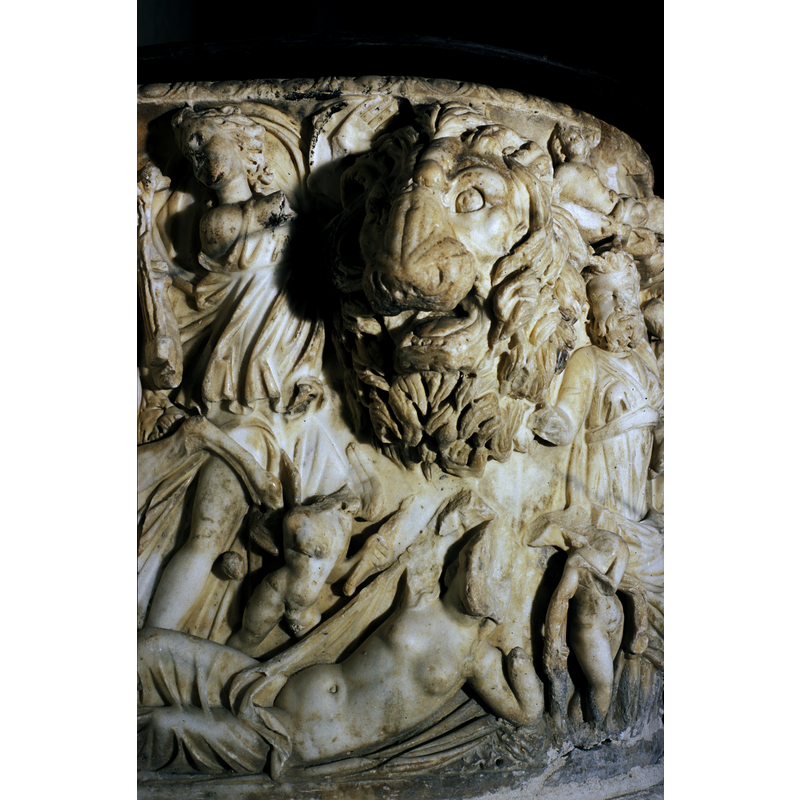
Copyright Statement: Image copyright © Baptisteria Sacra Index, 2023
Image Source: digital image of a photograph taken 12 June 2001 by BSI
Copyright Instructions: CC-BY-NC-ND-4.0
gods - classical mythology - (story of) Ariadne and Bacchus
![[cf. Font notes for details]](/static-50478a99ec6f36a15d6234548c59f63da52304e5/compressed/CAD0106335_compressed.png)
Scene Description: [cf. Font notes for details]
Copyright Statement: Image copyright © Baptisteria Sacra Index, 2023
Image Source: digital image of a photograph taken 12 June 2001 by BSI
Copyright Instructions: CC-BY-NC-ND-4.0
view of basin - interior - detail
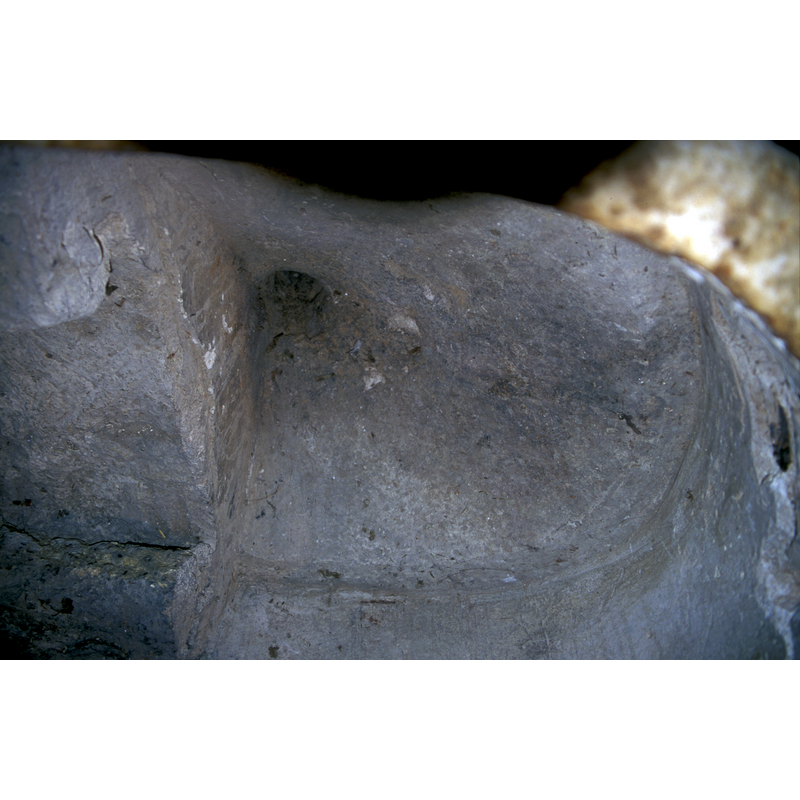
Copyright Statement: Image copyright © Baptisteria Sacra Index, 2023
Image Source: digital image of a photograph taken 12 June 2001 by BSI
Copyright Instructions: CC-BY-NC-ND-4.0
view of basin - interior
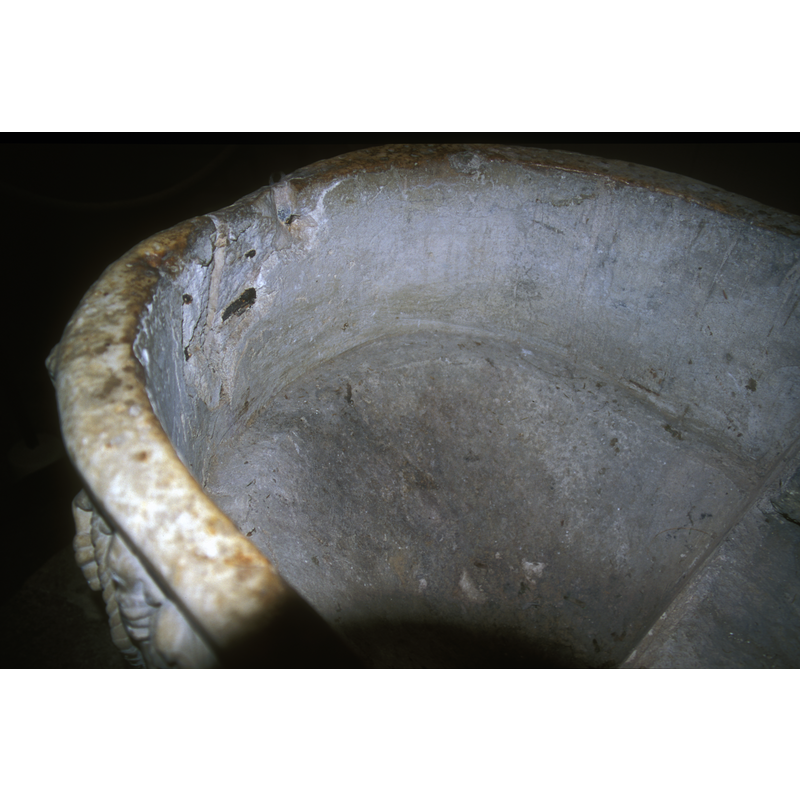
Copyright Statement: Image copyright © Baptisteria Sacra Index, 2023
Image Source: digital image of a photograph taken 12 June 2001 by BSI
Copyright Instructions: CC-BY-NC-ND-4.0
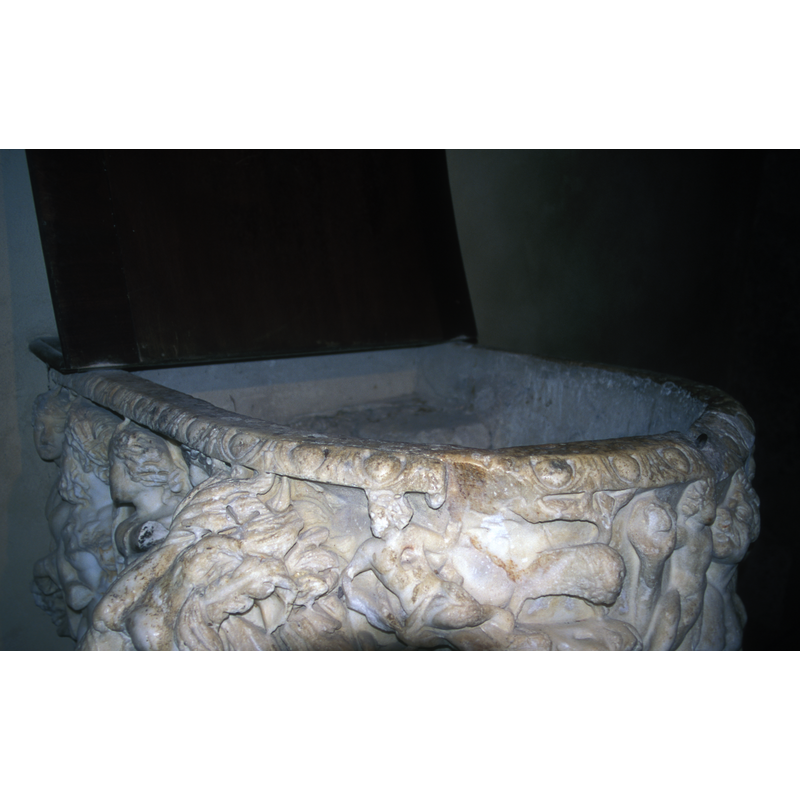
view of basin - upper view
Copyright Statement: Image copyright © Baptisteria Sacra Index, 2023
Image Source: digital image of a photograph taken 12 June 2001 by BSI
Copyright Instructions: CC-BY-NC-ND-4.0
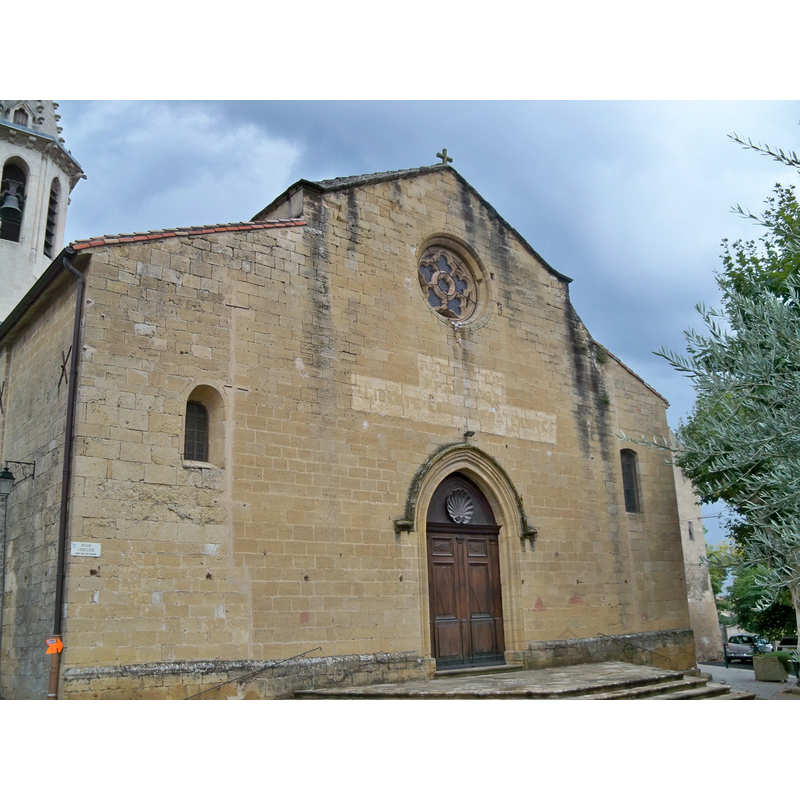
view of church exterior - west façade
Copyright Statement: Image copyright © [in the public domain]
Image Source: digital photograph taken 14 August 2010 by Véronique Pagnier [https://commons.wikimedia.org/wiki/File:Cadenet_-_Facade_Saint_Etienne.JPG] [accessed 25 September 2016]
Copyright Instructions: PD-self
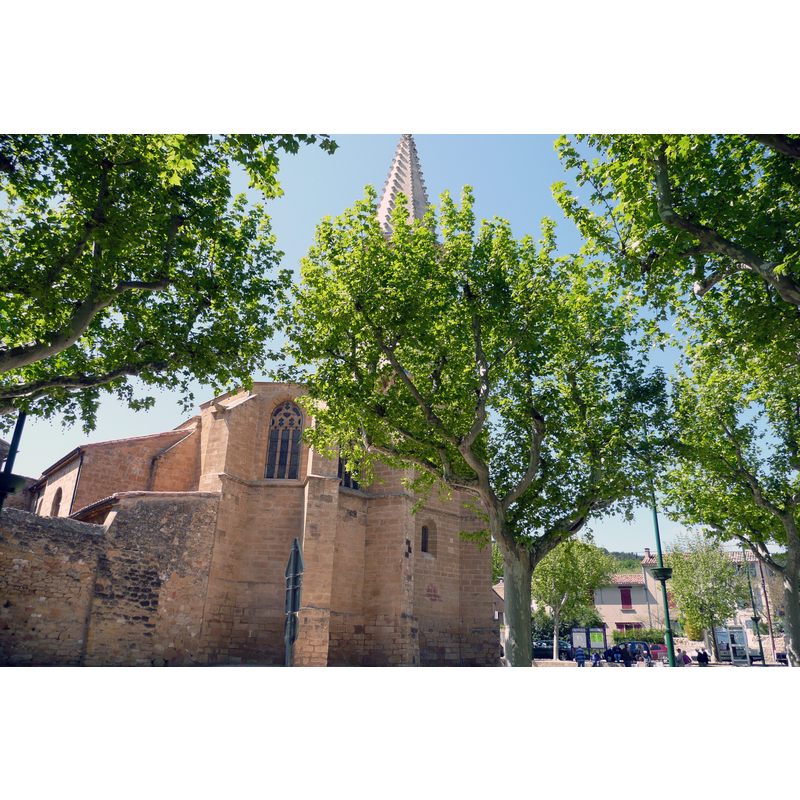
view of church exterior - southeast end
Copyright Statement: Image copyright © Vi..Cult..., 2008
Image Source: edited detail of a digital photograph taken 1 May 2008 by Vi..Cult... [https://commons.wikimedia.org/wiki/File:Eglise_à_Cadenet_3.JPG] [accessed 25 September 2016]
Copyright Instructions: GFDL / CC-BY-SA-3.0-migrated / CC-BY-SA-2.5,2.0,1.0
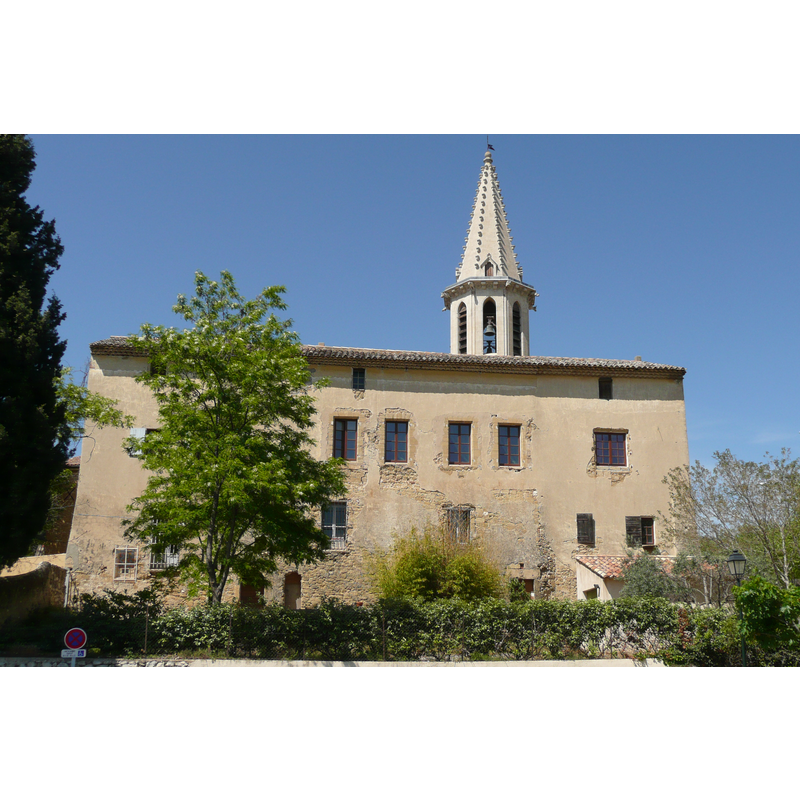
view of church exterior - north view
Copyright Statement: Image copyright © Vi..Cult..., 2008
Image Source: edited detail of a digital photograph taken 1 May 2008 by Vi..Cult... [https://commons.wikimedia.org/wiki/File:Eglise_à_Cadenet_2.JPG] [accessed 25 September 2016]
Copyright Instructions: GFDL / CC-BY-SA-3.0-migrated / CC-BY-SA-2.5,2.0,1.0
view of font and cover in context
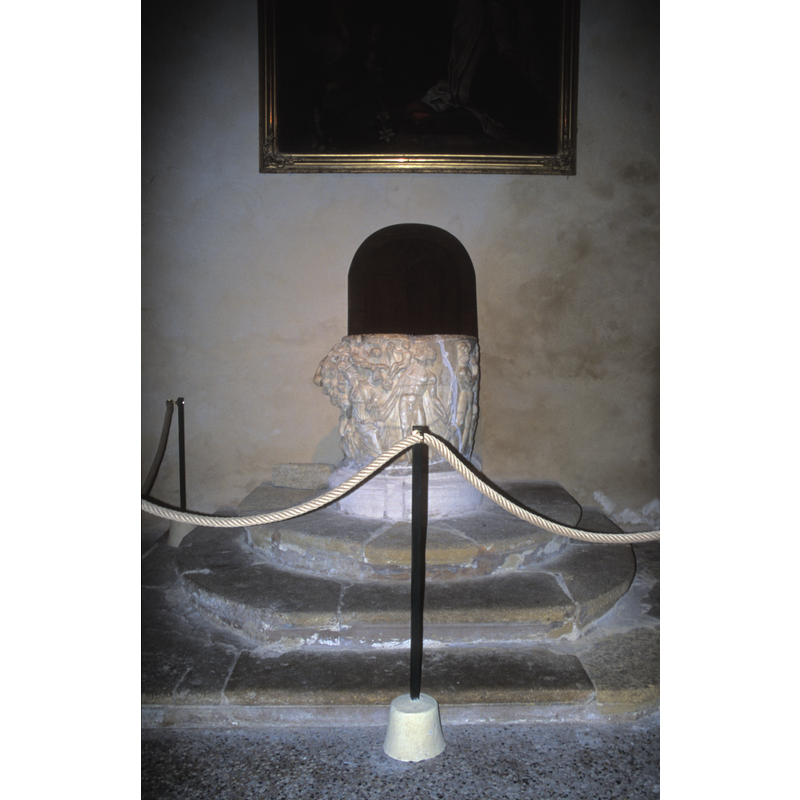
Copyright Statement: Image copyright © Baptisteria Sacra Index, 2023
Image Source: digital image of a photograph taken 12 June 2001 by BSI
Copyright Instructions: CC-BY-NC-ND-4.0
INFORMATION
Font ID: 03502CAD
Object Type: Other
Object Details: sarcophagus
Date Visited: 2001-06-12
Font Date: 220-240 A.D.
Font Century and Period/Style: 3rd century?, Gallo-Roman [altered]
Workshop/Group/Artisan: Sarcophage font
Church / Chapel Name: Église paroissiale [ancien prieuré] Saint-Étienne
Font Location in Church: In the first lateral chapel on the left
Church Patron Saint(s): St. Stephen
Church Notes: church 14thC, 16thC, etc., listed in Mérimée [ref.: PA00081988], but original church probably 12thC
Church Address: 84160 Cadenet, France
Site Location: Vaucluse, Provence-Alpes-Côte d'Azur, France, Europe
Directions to Site: Cadenet is 29 kms NE of Aix-en-Provence, 57 SE of Avignon, 60 km N of Marseille
Historical Region: Portes du Luberon
Additional Comments: recycled font / sarcophagus font / tomb font: formerly a Roman sarcophagus like those at Arles and St-Cannat
Font Notes:
Click to view
Described in Achard (1787): "Les fonts-baptismaux de Cadenet sont un monument des plus antiques et des plus beaux qu'il y ait en France. Ils sont en marbre, ornés d'un bas-relief admirable, le sujet de ce bas-relief mériterait bien une dissertation de quelque savant antiquaire. Il est étonnant que ceux qui ont écrit sur les antiquités de cette province aient ignoré l'existence d'un monument qui trouverait une place distinguée parmi ceux qu'on admire à Rome". Described in Mérimée (1835), who stated the font had been roiginally a water fountain: "En allant à Aix, je me suis arrêté quelques moments à Cadenet, pour examiner les fonts baptismaux de son église. C'est une moitié de cuve elliptique en marbre blanc, scellée dans la muraille, où elle est engagée perpendiculairement à son axe. L'intérieur représente une bacchanale, dont les figures, d'un fort relief, ont environ deux pieds et demi de haut. Un gros mufle de lion se détache de la cuve comme un mascaron de fontaine. Comme il n'est pas percé pour recevoir un tuyau, je ne puis m'expliquer son usage. Il nuit d'ailleurs à l'effet général du bas-relief. Je pense que ce fragment provient d'une vasque de fontaine antique. Je n'ai pu me procurer aucun renseignement sur son origine. La belle conservation, le fini du travail et la grâce de la composition , qui pourtant n'est pas exempte de manière, indiquent qu'il appartient à une époque voisine encore des beaux temps de la sculpture antique." The 1840-1841 session of the Comité historique des arts et monuments, published in the Bulletin Archéologique, vol. 1, pt. 2 (1843: 10) includes a report on this font by J.-M.-A. Chaix with "Une gravure représente les fonts baptismaux de l'église de Cadenet. Ces fonts proviennent d'un monument antique; ils sont en marbre blanc et sculpté de sujets bachiques." Included in Corblet as being, like the font at Arles St-Trophime, a former Roman sarcophagus "métamorphosé en cuve baptismale" (Corblet, 1881-1882, v. 2, p. 124, 143). The Dictionnaire des églises... (1966-) describes the font as being a an old white-marble basin with a relief of a mythological scene, and that it now [ca. 1966] serves as baptismal font. The Inventaire général... (1981) describes it as a "demi-cuve de sarcophage dionysiaque", and gives the figures and scenes as "Dionysos, un Centaure, une Ménade, sous la tête du lion Ariane se réveillant, le Sommeil infernal Somnus; sur la face arrière: Bacchus sur son char." It gives the provenance as a Roman workshop of the late Severian period, ca. 220 A.D. The local church guide dates the sarcophagus to 240 A.D. and adds that it was probably from Turkey originaly, but taken "to Cadenet eithr in the 7th century by the monks from St. Victor's Abbey, or later, in the mid-17th century. This same source identifies the scenes as "Bacchus awaking Ariadne" and suggests that it "calls to mind the theme of 'darkness and light', which is central to the Christian Baptism." On-site notes: there is a large vertical crack -now repaired- to the left of the standing lyra player; Ariadne's head is missing, as is the head of the "putto" standing behind her, but, considering the age and travels of thgis piece, it is in a remarkable state of repair. A sarcophagus beleived to be of the 3rd century exists in the Louvre museum which can give an idea of what the original one at Cadenet looked like; it has the same bath-tub shape that the Cadenet object would have had originally and it has also similar lion heads, but the rest of the ornamentation is different (ill. and description of the Louvre sarcophagus in Alvarez (1998: 109ff). Listed in Palissy [ref.: PM84000305] with date "Antiquité".
Credit and Acknowledgements: We are grateful to M. l'abbé for providing full access to the font and for his patience during our visit
COORDINATES
Latitude & Longitude (Decimal): 43.743321, 5.376091
Latitude & Longitude (DMS): 43° 44′ 35.96″ N, 5° 22′ 33.93″ E
MEDIUM AND MEASUREMENTS
Material: stone, marble (white)
Number of Pieces: one
Font Shape: oval
Basin Interior Shape: oval
Basin Exterior Shape: oval
Drainage System: Side drainage system
Drainage Notes: the drainage hole is at the botom of the basin well, next to the wall side.
Rim Thickness: 5.5-8 cm
Diameter (inside rim): 71 x 83 cm
Diameter (includes rim): 84 x 98 cm
Basin Depth: 50 cm*
Height of Basin Side: 80 cm
Font Height (less Plinth): 80 cm
Font Height (with Plinth): 104 cm
Notes on Measurements: BSI *[NB: this is not a regular object and the measurements are approximate -- the inner basin well has two ledge-like levels at the wall side: one is 14 cm deep, the other 28 cm.]
LID INFORMATION
Material: wood
Apparatus: no
Notes: flat and plain; hinged at back
REFERENCES
- Dictionnaire des églises de France, Belgique, Luxembourg, Suisse, Paris: R. Laffont, 1966-, II D 49
- Achard, Claude-François, Description historique, géographique et topographique de la Provence, 1787, p. 37
- Alvarez Gómez, Jesús, Arqueología cristiana, Madrid: Biblioteca de autores cristianos, 1998, p. 118 and ill. on p. 109
- Corblet, Jules, Histoire dogmatique, liturgique et archéologique du sacrement de baptême, Paris: V. Palme, 1881-1882, vol. 2, p. 124, 143
- Inventaire général des monuments et des richesses artistiques de la France: Commission régionale de Provence-Alpes-Côte d'Azur, Vaucluse: cantons Cadenet et Pertuis ; Pays d'Aigues, Paris: Imprimérie nationale, 1981, p. 147 and plates 16-19 on pp. 164-165
- Mérimée, Prosper, Notes d'un voyage dans le midi de la France, Paris: Librarire de Fournier, 1835, p. 223