Poitiers No. 1
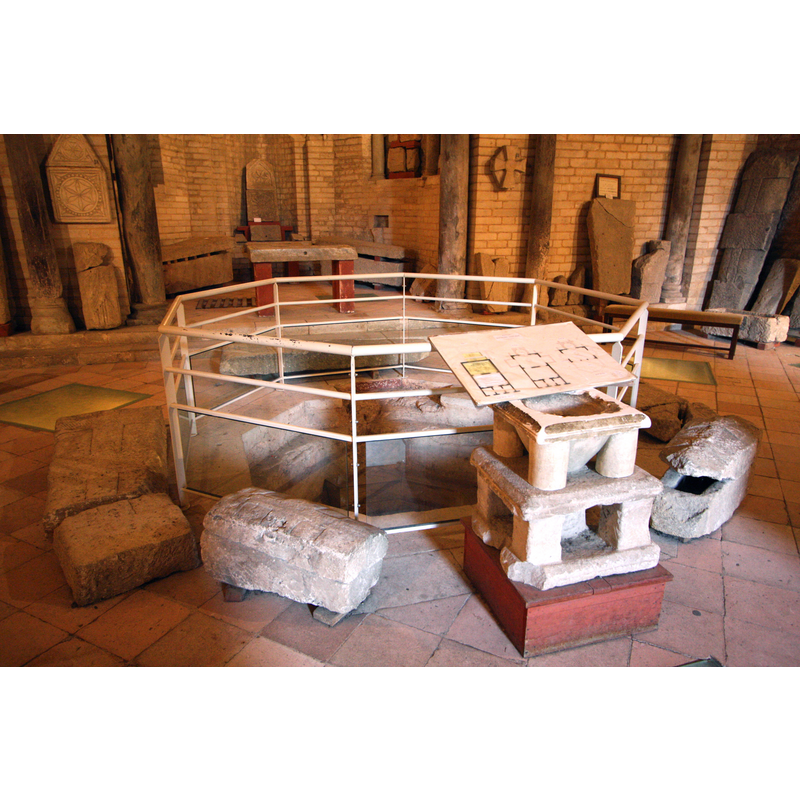
Image copyright © Holly Hayes, 2008
Standing permission
Results: 12 records
view of font
Copyright Statement: Image copyright © Holly Hayes, 2008
Image Source: digital photograph taken 14 July 2008 by Holly Hayes [www.scared-destinations.com]
Copyright Instructions: Standing permission
view of church exterior
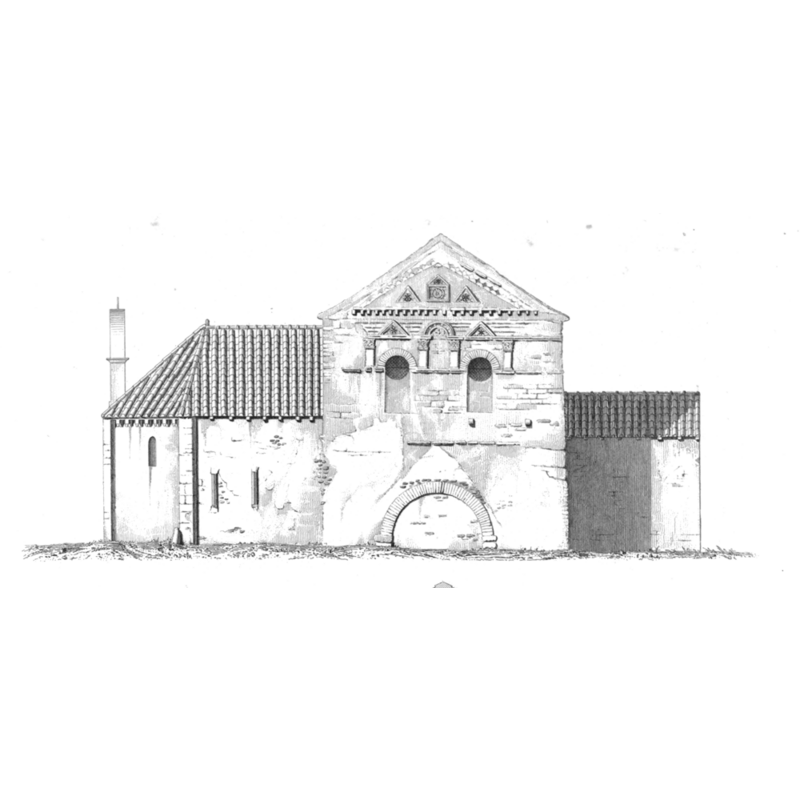
Copyright Statement: Image copyright © [in the public domain]
Image Source: digital image of an illustration in Gailhabaud (1850, t. II: unpaged)
Copyright Instructions: PD
view of font in context
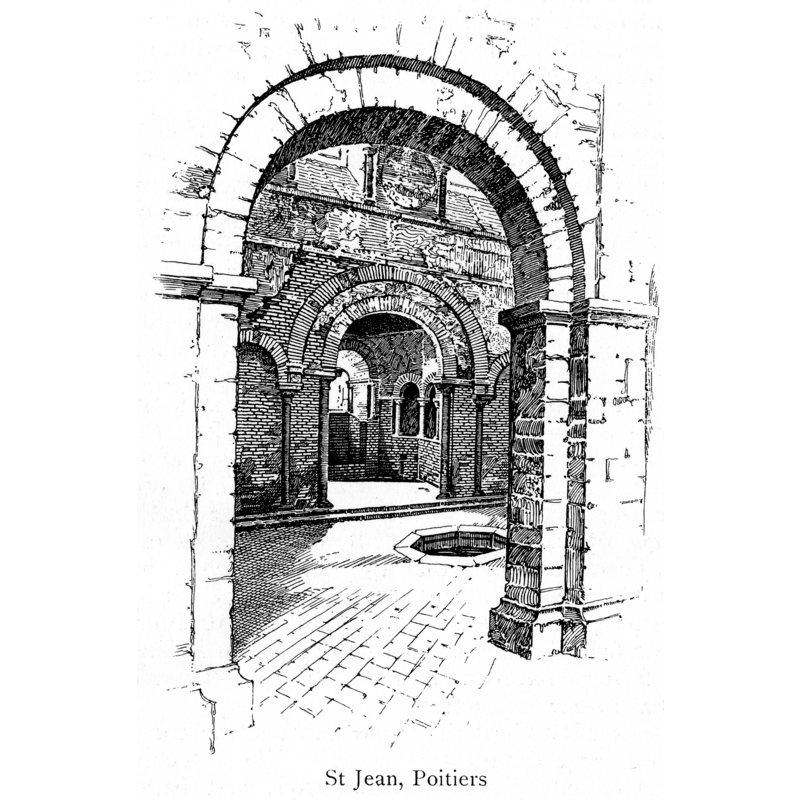
Copyright Statement: Image copyright © [in the public domain]
Image Source: digital image of an illustration in Bond (1908)
Copyright Instructions: PD
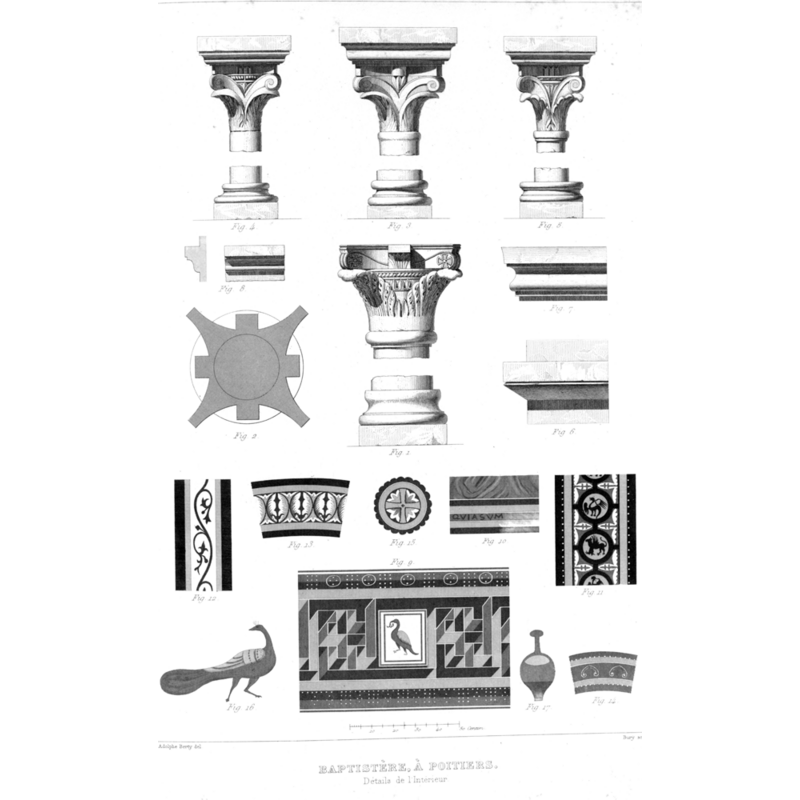
view of church interior
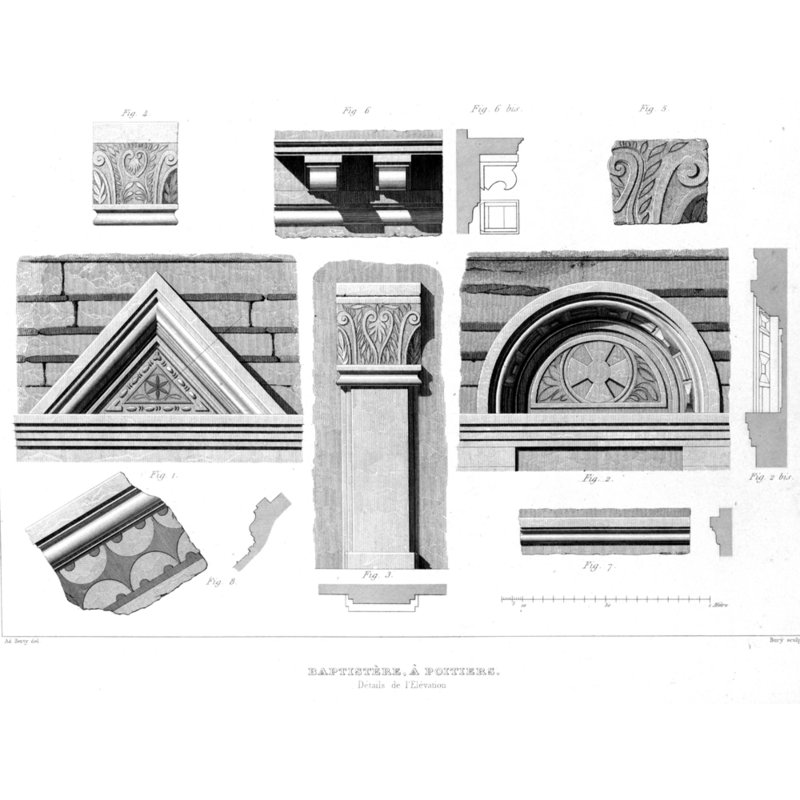
Scene Description: several details
Copyright Statement: Image copyright © [in the public domain]
Image Source: digital image of an illustration in Gailhabaud (1850, t. II: unpaged)
Copyright Instructions: PD
view of church exterior - façade
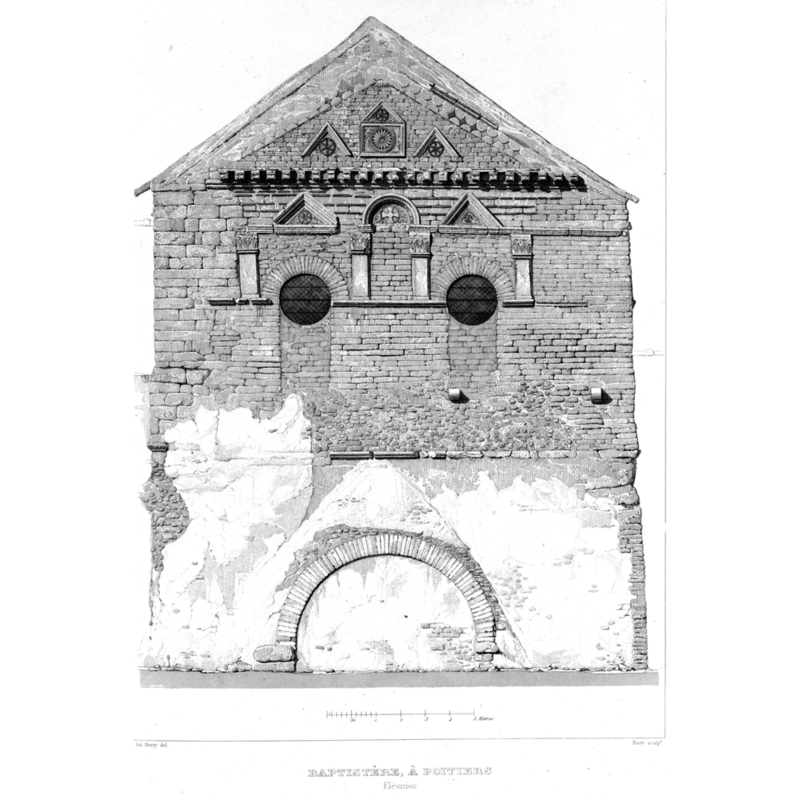
Copyright Statement: Image copyright © [in the public domain]
Image Source: digital image of an illustration in Gailhabaud (1850, t. II: unpaged)
Copyright Instructions: PD
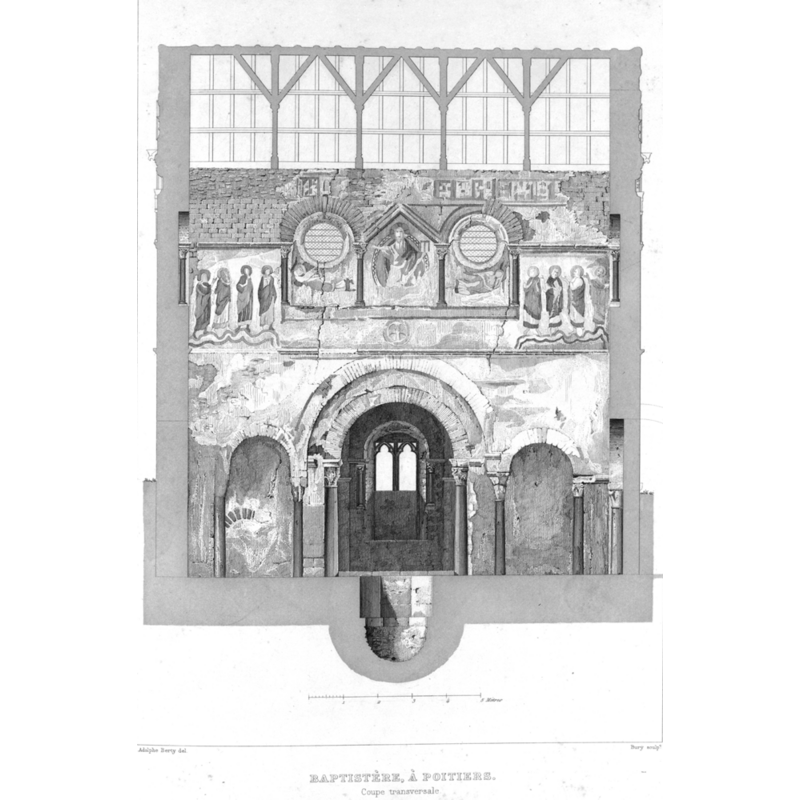
view of church interior - elevation
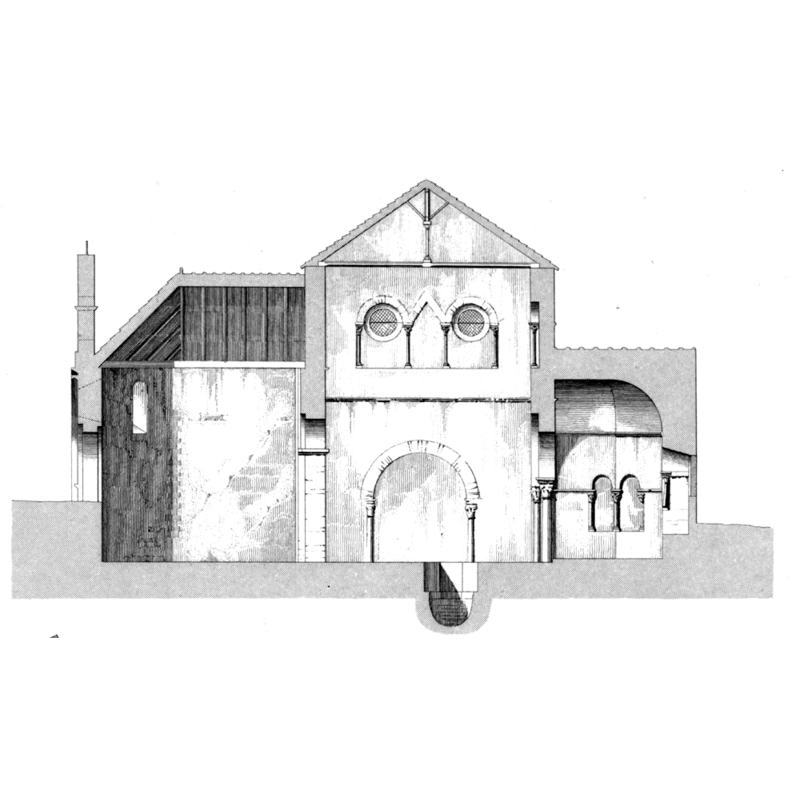
Copyright Statement: Image copyright © [in the public domain]
Image Source: digital image of an illustration in Gailhabaud (1850, t. II: unpaged)
Copyright Instructions: PD
animal - bird - peacock
Scene Description: On the wall frescoes
Copyright Statement: Image copyright © [in the public domain]
Image Source: digital image of an illustration in Gailhabaud (1850, t. II: unpaged)
Copyright Instructions: PD
Christ - Christ in Majesty - with book in left hand - right hand raised in benediction - 2 angels
Scene Description: On the wall frescoes
Copyright Statement: Image copyright © [in the public domain]
Image Source: digital image of an illustration in Gailhabaud (1850, t. II: unpaged)
Copyright Instructions: PD
New Testament - events from Resurrection to Pentecost - Ascension
Scene Description: On the wall frescoes
Copyright Statement: Image copyright © [in the public domain]
Image Source: digital image of an illustration in Gailhabaud (1850, t. II: unpaged)
Copyright Instructions: PD
human figure - male - warrior - with spear in the right hand - with long shield in the left hand
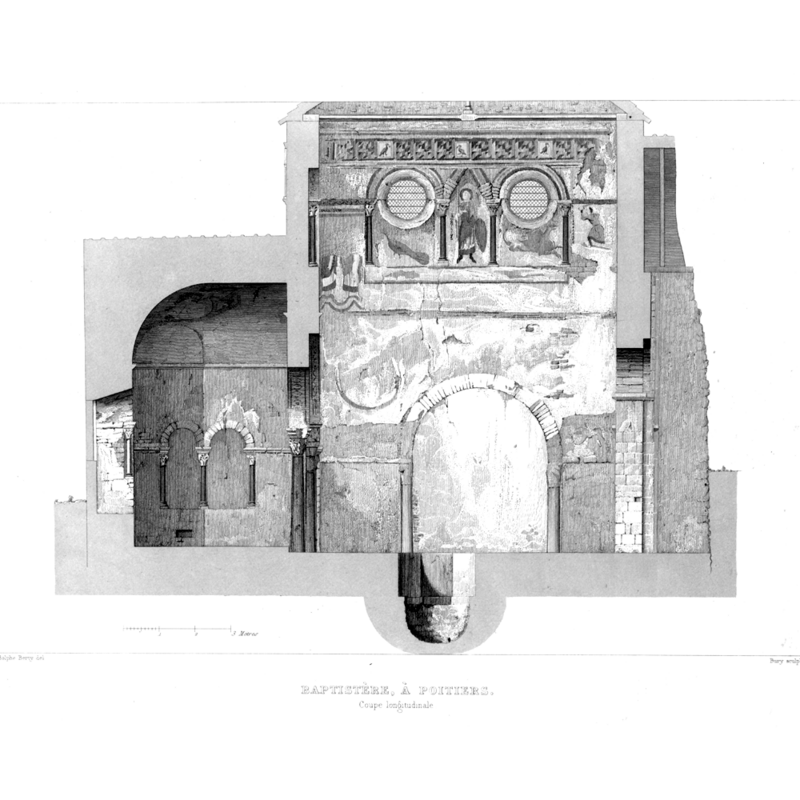
Scene Description: On the wall frescoes
Copyright Statement: Image copyright © [in the public domain]
Image Source: digital image of an illustration in Gailhabaud (1850, t. II: unpaged)
Copyright Instructions: PD
view of baptistery - plan
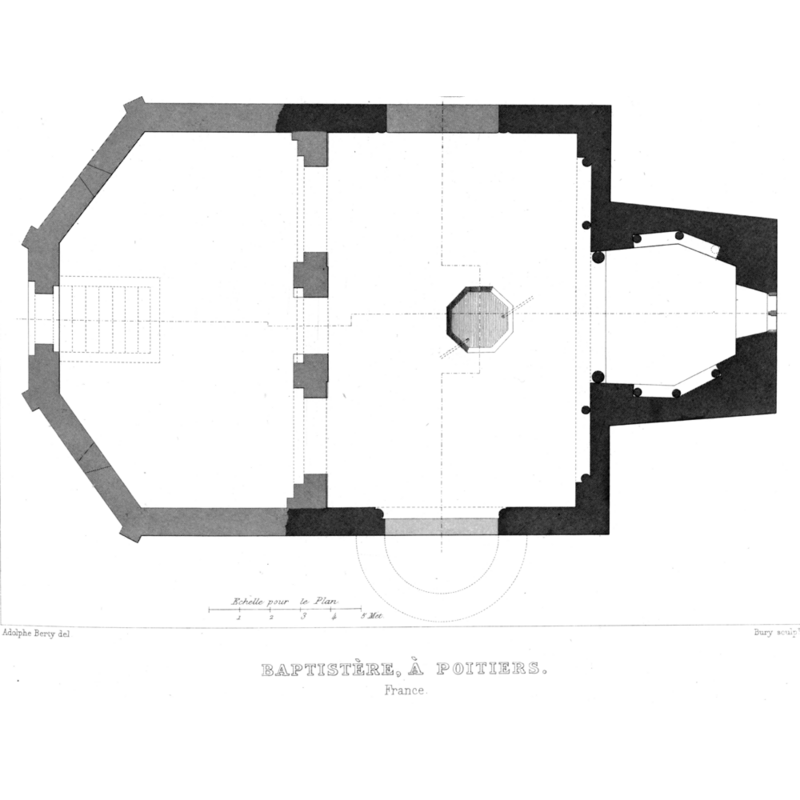
Copyright Statement: Image copyright © [in the public domain]
Image Source: digital image of an illustration in Gailhabaud (1850, t. II: unpaged)
Copyright Instructions: PD
view of baptistery - plan
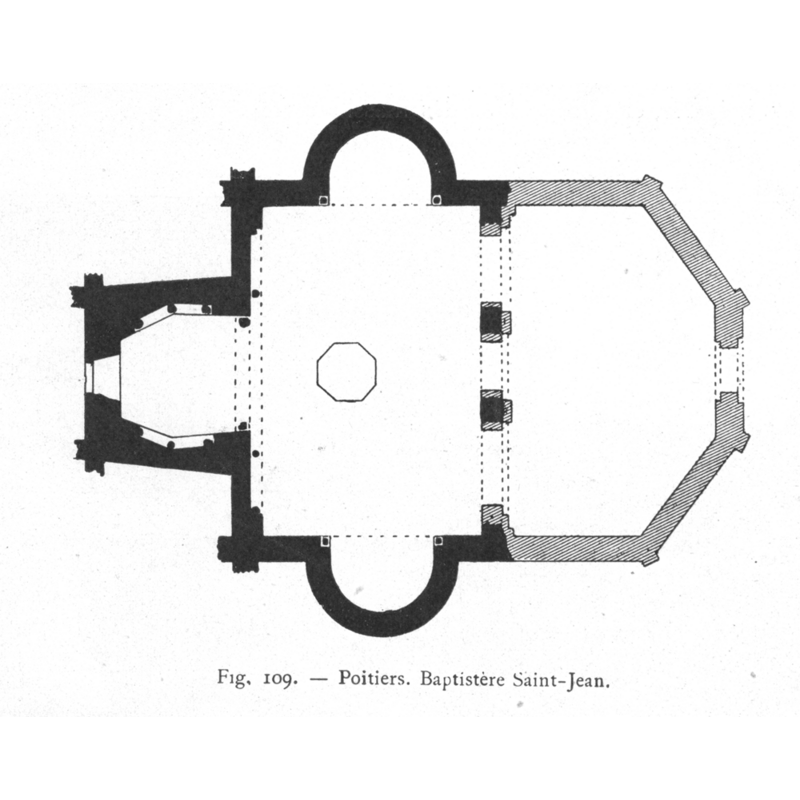
Copyright Statement: Image copyright © [in the public domain]
Image Source: digital image of an illustration in Lasteyrie (1929: fig. 109)
Copyright Instructions: PD
INFORMATION
Font ID: 02794POI
Object Type: Baptistery
Font Century and Period/Style: 5th - 12th century, Early Christian? / Romanesque?
Museum: It is now the Museum of Merovingian Archaeology
Church / Chapel Name: Baptistère de Saint-Jean
Church Patron Saint(s): St. John the Baptist
Church Notes: Corblet informs that the Baptistère de Saint-Jean de Poitiers has undergone "bien des épreuves": it became parish church in the 17th century; during the Revolution it functioned as bell foundry, then as "soup-kitchen" and later as "magasin pour la fabrique Saint-Pierre". Finally, in 1832, the city of Poitiers acquired it and it became the museum for the Société des Antiquaires de l'Ouest. (Corblet, 1881-1882, v. 2, p. 70)
Church Address: rue Jean-Jaurès, 86000 Poitiers, France -- Tel.: +33 5 49 41 21 24
Site Location: Vienne, Nouvelle-Aquitaine, France, Europe
Directions to Site: Located on rue Jean-Jaurés; the site opens daily during the summer months.
Ecclesiastic Region: Diocèse de Poitiers
Additional Comments: recycled baptistery / legend font: first, in the 17th century, a parish church; then, after the Revolution, a soup-kitchen and, later, a factory warehouse; in 1832, the city turned into a museum; Corblet informs that the Baptistère de Saint-Jean de Poitiers has undergone "bien des épreuves": it became parish church in the 17th century; during the Revolution it functioned as bell foundry, then as "soup-kitchen" and later as "magasin pour la fabrique Saint-Pierre". Finally, in 1832, the city of Poitiers acquired it and it became the museum for the Société des Antiquaires de l'Ouest. (Corblet, 1881-1882, v. 2, p. 70)
Font Notes:
Click to view
Mentioned in Enlart (1902) as a baptistery in which survive vestiges of the water channelling system. Described and illustrated in Bond (1908) as "the most remarkable" of the baptisteries of the south of France, "the piscina of which has lately been discovered." Davies (1962) points out that the survival of this baptistery owes a lot probably to its distance from the cathedral, which allow it to survive the expansion of the cathedral building. Delpal (1985) describes the building as "a vast rectangular hall and two vestries" and the inside as "disposed around an octagonal pool for baptism by immersion"; the water is fed into it "by a Roman aqueduct" and the dividing walls being ornamented with "the peacock [...] a Christ in Majesty and four Imperial Horsemen" (France: a Phaidon Cultural guide, 1985, p. 528). Corblet relates the contradictory theories regarding its origins, but states that with the restoration works carried out under the direction of Joly-Leterme, "architecte des monuments historiques", there can be no doubt about the function of the building: the conduits which fed the water to it were unearthed exposing the filling and drainage systems of the basin [cf. entry for Poitiers No. 2 in this Index for details of the basin]. Corblet (1881-1882) states that the most likely date for this baptistery is between the 5th and 7th centuries and gives details of some of the imagery which can be found in it: fish carvings on one of the capitals of the large columns, plus frescoes depicting a Christ-in-Majesty, a book in his left hand while the right is raised in benediction, with two angels pointing to heavens with one hand and to Christ with the other. Delpal (1985) mentions also an Ascension, a peacock and four Imperial Horsemen depicted on the walls. Delcor (1973) dates the baptistery to the 6th century.
Credit and Acknowledgements: We are grateful to Holly Hayes, of www.sacred-destinations.com, for her photograph of this font
COORDINATES
UTM: 31T 296854 5161846
Latitude & Longitude (Decimal): 46.579444, 0.348611
Latitude & Longitude (DMS): 46° 34′ 46″ N, 0° 20′ 55″ E
MEDIUM AND MEASUREMENTS
Material: type unknown
Font Shape: octagonal building
Basin Exterior Shape: Unknown
Drainage System: yes, [cf. font notes]
Drainage Notes: [cf. font notes]
REFERENCES
- Dictionnaire des églises de France, Belgique, Luxembourg, Suisse, Paris: R. Laffont, 1966-, III C 132-133
- Les premiers monuments chrétiens de la France, Paris: A. Picard ; Ministère ce la culture et de la francophonie, Direction du patrimoine, Sous-direction de l'archéologue, 1995-1998, vol. 2: p. 290-301
- Alvarez Gómez, Jesús, Arqueología cristiana, Madrid: Biblioteca de autores cristianos, 1998, p. 165-166
- Davies, J.G., The Architectural Setting of Baptism, London: Barrie and Rockliff, 1962, p. 4
- Delcor, M., "Les cuves romanes et leur figuration en Roussillon, Cerdagne et Conflent", 4, Cahiers Saint-Michel-de-Cuxa, 1973, pp. 96-109, 4 pl.; p. 97
- Enlart, Camille, Manuel d'archéologie française depuis les temps mérovingiens jusqu'à la Renaissance, Paris: Alphonse Picard & fils, 1902, p. 763
- Gailhabaud, Jules, Monuments anciens et modernes: collection formant une histoire de l’architecture des differents peuples à toutes les epoques., Paris: Didot frères, 1850, t. II: unpaged
- Hubert, Jean, "Le baptistère de Poitiers", VI (1952), C.A., 1952, pp. 135-143; p. 135-143
- Lasteyrie du Saillant, Robert Charles, conte de, Architecture réligieuse en France à l'époque romane (2e éd., avec une bibliographie critique par Marcel Aubert), Paris: A. Picard, 1929, fig. 108, 109
- Phaidon, France: a Phaidon cultural guide, Englewood Cliffs NJ: Prentice-Hall, 1985, p. 598, and ill. of exterior on p. 530
- Tyrrell-Green, E., Baptismal Fonts Classified and Illustrated, London: Society for Promoting Christian Knowledge: The Macmillan Co., 1928, p. 14