Astwood / Eastwood / Estwode / Estwood
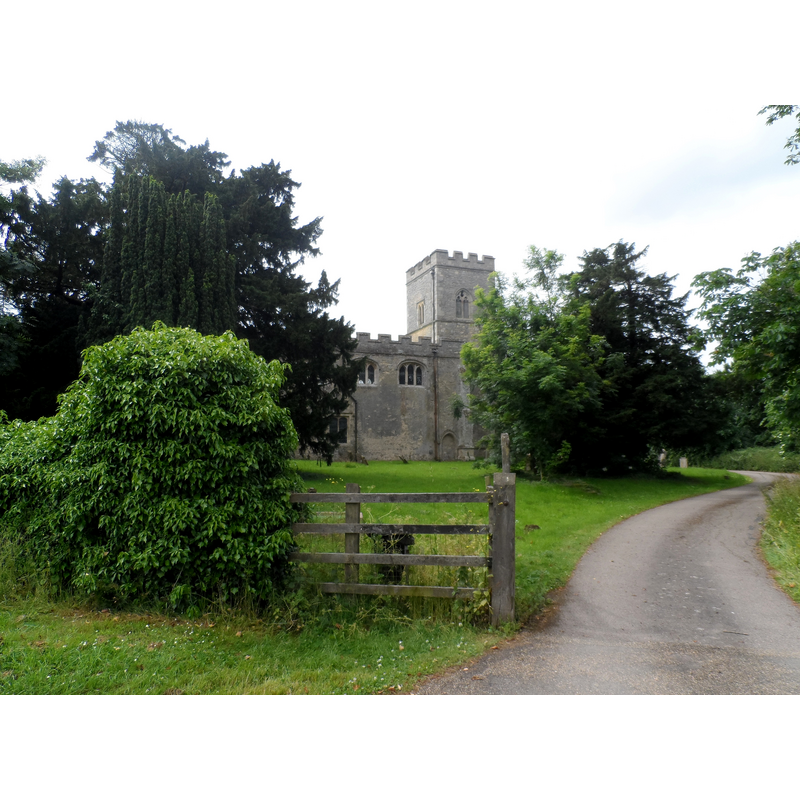
Image copyright © Bikeboy, 2014
CC-BY-SA-2.0
Results: 3 records
view of church exterior - northeast view
Copyright Statement: Image copyright © Bikeboy, 2014
Image Source: digital photograph taken 16 February 2014 by Bikeboy [www.geograph.org.uk/photo/3534384] [accessed 2 February 2016]
Copyright Instructions: CC-BY-SA-2.0
view of church exterior - southwest view
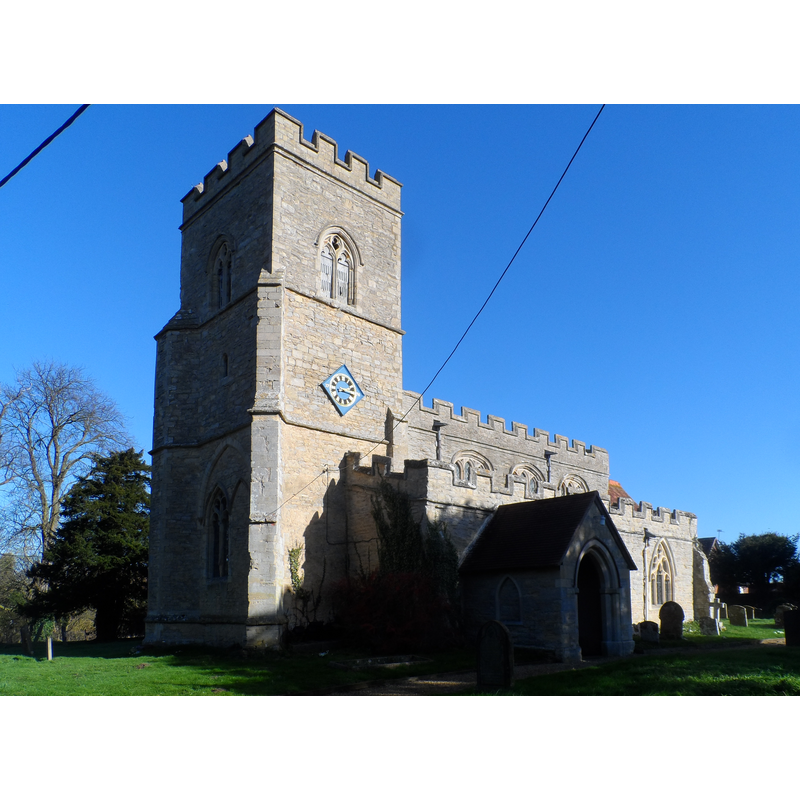
Copyright Statement: Image copyright © Bikeboy, 2014
Image Source: digital photograph taken 16 February 2014 by Bikeboy [www.geograph.org.uk/photo/3851938] [accessed 2 February 2016]
Copyright Instructions: CC-BY-SA-2.0
design element - motifs - knot - Stafford knot
![pretzel-shaped three-looped knot [cf. Font notes]](/static-50478a99ec6f36a15d6234548c59f63da52304e5/others/image_not_available.jpg)
Scene Description: pretzel-shaped three-looped knot [cf. Font notes]
![pretzel-shaped three-looped knot [cf. Font notes]](/static-50478a99ec6f36a15d6234548c59f63da52304e5/bsi-testing-site/others/image_not_available.jpg)
INFORMATION
Font ID: 01362AST
Object Type: Baptismal Font1
Font Century and Period/Style: 13th - 14th century, Medieval
Church / Chapel Name: Parish Church of St. Peter [closed -- for sale in 2015]
Font Location in Church: Inside the church, at the W end of the nave, by the N side of the tower arch
Church Patron Saint(s): St. Peter
Church Notes: church for sale [https://media.onthemarket.com/properties/466231/doc_0_4.pdf] [accessed 2 February 2016] ca. Jan 2015
Church Address: 8 Main Road, Astwood, Milton Keynes MK16 9JT
Site Location: Buckinghamshire, South East, England, United Kingdom
Directions to Site: Located on the A422 aka Newport Pagnell Rd.], 10 km W of Bedford, 10 km NW of Newport Pagnell
Ecclesiastic Region: Diocese of Oxford
Historical Region: Hundred of Moulsoe [in Domesday] -- Hundred of Newport
Additional Comments: altered font? ***THE DESCRIPTIONS WE HAVE OF THIS FONT ARE CONTRADICTORY -- UNABLE AT PRESENT TO LOCATE AN IMAGE OF THE FONT -- TO BE RESOLVED***
Font Notes:
Click to view
There is an entry for this Astwood in the Domesday survey [http://opendomesday.org/place/SP9547/astwood/] [accessed 2 February 2016], but it mentions neither cleric nor church in it. Lewis' Dictionary of 1848 reports "a rather handsome Norman font" here. Parker (1850) notes: "Font D[ecorated], the bowl square and quite plain, supported on four circular shafts with moulded caps and bases." In Sheahan (1862), after Parker. Listed in Cox & Harvey (1907), however, as a baptismal font of the Decorated period, a noteworthy example. The Victoria Couny History (Buckingham, vol. 4, 1927) notes: "The earliest mention that has been found of Astwood Church concerns the grant by Fulk Paynel, lord of Newport Pagnell, who flourished in the reign of Henry I [i.e., 1100-1135], of Astwood Church and chapel to Tickford Priory. [...] The font, which dates from the late 14th century, has an octagonal bowl and a square panelled stem with angle shafts; three sides of the stem are carved and on the south is a representation of the Stafford knot." [NB: the font descriptions in the three earlier sources, Lewis, Parker and Shahan, conflict with those in Cox & Harvey and the VCH. Lewis' dating problem can be explained given the plainness of the font, but, did Parker and Sheahan see the same font? Was it re-cut from square to octagonal?]. English Heritage [Listing NGR: SP9505247374] (1966) reports: "C13 font, plain octagonal bowl on base with 4 slender shafts and remains of carving between." [TO BE RESOLVED] -- [NB: a sale listing for this building by Smithsgore' Oxford Office [https://media.onthemarket.com/properties/466231/doc_0_4.pdf] [accessed 2 February 2016] shows a stone font and its cover at the west end of the nave, by the north pillar of the tower arch].
COORDINATES
UTM: 30U 663604 5776645
MEDIUM AND MEASUREMENTS
Material: stone, type unknown
Font Shape: octagonal, mounted
Basin Exterior Shape: octagonal
REFERENCES
- Victoria County History [online], University of London, 1993-. URL: https://www.british-history.ac.uk.
- Cox, John Charles, English Church Furniture, New York: E.P. Dutton & Co., 1907, p. 187
- Parker, John Henry, The Ecclesiastical and architectural topography of England: Oxfordshire, Oxford, London: Published under the sanction of the Central Commitee of the Archaeological Institute of Great Britain and Ireland [by] John Henry Parker, 1850, [entry no.] 64
- Sheahan, James Joseph, History and topography of Buckinghamshire, comprising a general survey of the county, preceded by an epitome of the early history of Great Britain, London; Pontefract: Longman, Green, Longman, and Roberts; William Edward Bonas [...], 1862, p. 488