Norwich No. 1 / Norwic
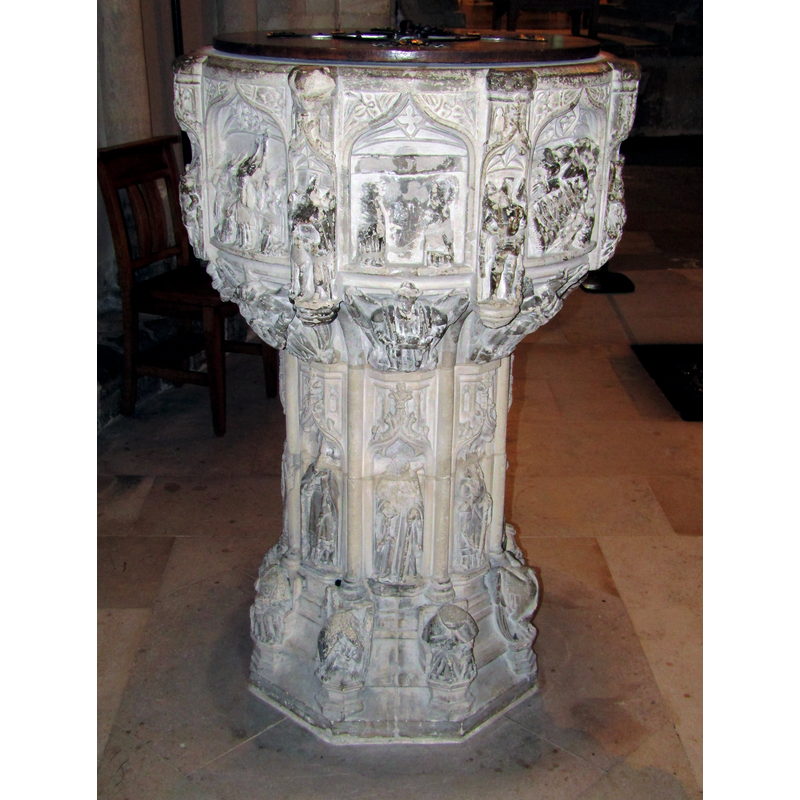
Image copyright © Colin Smith, 2020
Image and permission received from the author (e-mail of 11 October 2020)
Results: 25 records
B01: sacrament - baptism
![[cf. FontNotes]](/static-50478a99ec6f36a15d6234548c59f63da52304e5/others/image_not_available.jpg)
Scene Description: [cf. FontNotes]
![[cf. FontNotes]](/static-50478a99ec6f36a15d6234548c59f63da52304e5/bsi-testing-site/others/image_not_available.jpg)
B02: sacrament - confirmation
Scene Description: [cf. FontNotes]
B03: sacrament - penance
Scene Description: [cf. FontNotes]
B04: sacrament - eucharist
Scene Description: [cf. FontNotes]
B05: sacrament - marriage
Scene Description: [cf. FontNotes]
B06: sacrament - extreme unction
Scene Description: [cf. FontNotes]
B07: New Testament - Passion of Christ - Crucifixion
Scene Description: [cf. FontNotes]
B08: sacrament - holy orders
Scene Description: [cf. FontNotes]
view of font and cover
Copyright Statement: Image copyright © Colin Smith, 2020
Image Source: digital photograph taken 15 August 2020 by Colin Smith
Copyright Instructions: Image and permission received from the author (e-mail of 11 October 2020)
view of font and cover
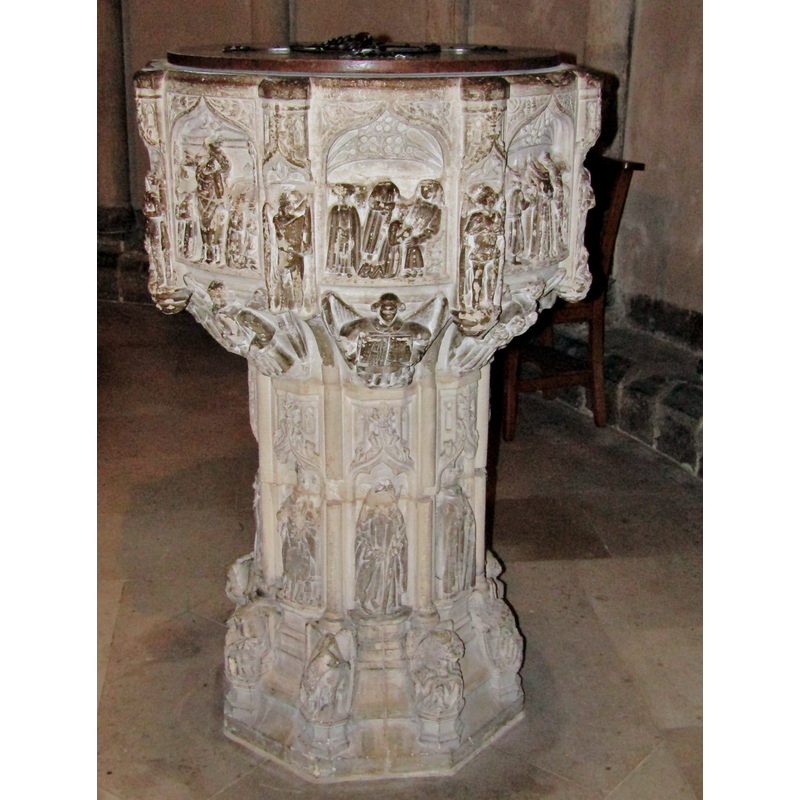
Copyright Statement: Image copyright © Colin Smith, 2020
Image Source: digital photograph taken 15 August 2020 by Colin Smith
Copyright Instructions: Image and permission received from the author (e-mail of 11 October 2020)
view of font and cover
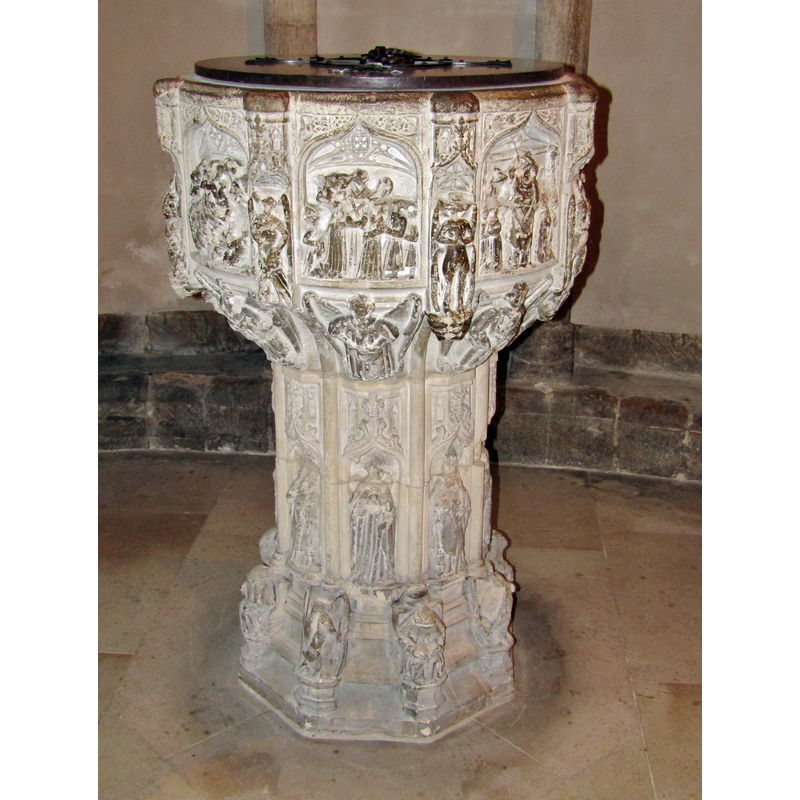
Copyright Statement: Image copyright © Colin Smith, 2020
Image Source: digital photograph taken 15 August 2020 by Colin Smith
Copyright Instructions: Image and permission received from the author (e-mail of 11 October 2020)
view of font
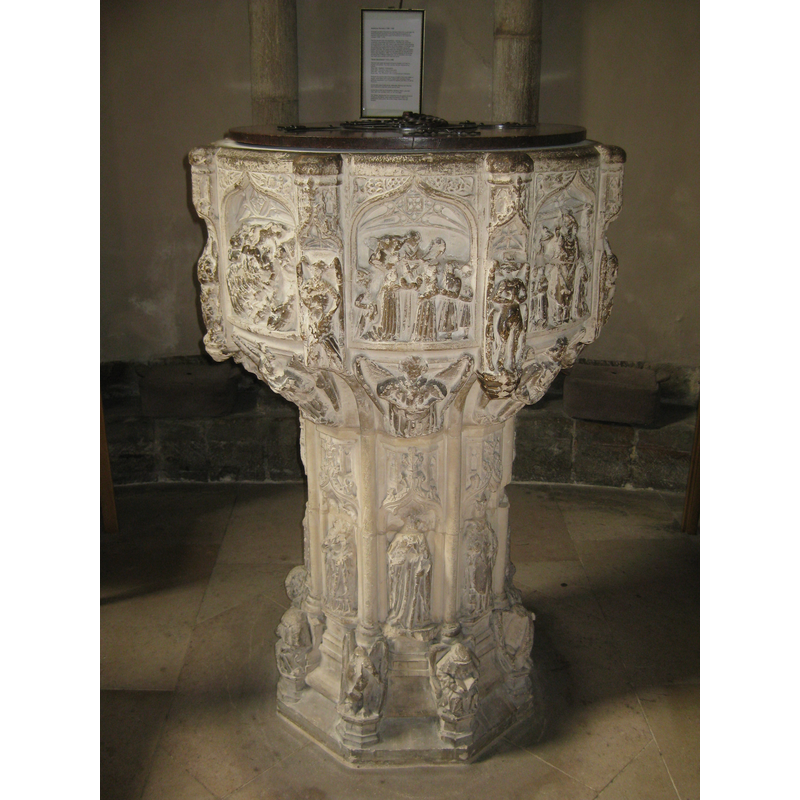
Copyright Statement: Image copyright © Janice Tostevin, 2009
Image Source: digital photograph taken 29 April 2009 by Janice Tostevin
Copyright Instructions: Standing permission
view of font
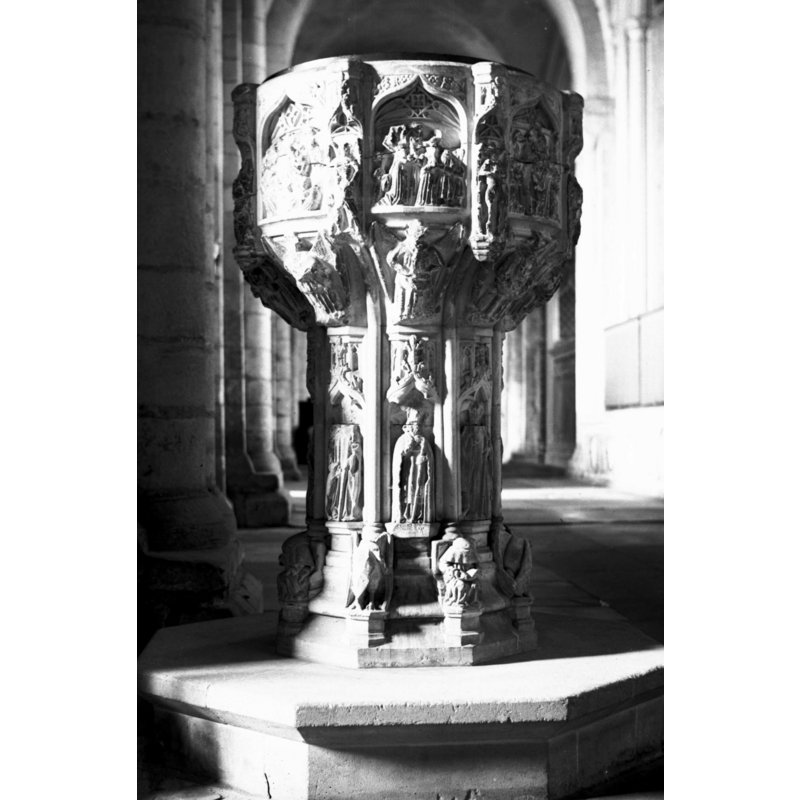
Copyright Statement: Image copyright © George Plunkett, 2004
Image Source: Jonathan Plunkett (from the collection of George Plunkett)
Copyright Instructions: Image and permission received (e-mail of 1/4/2004)
view of font in context
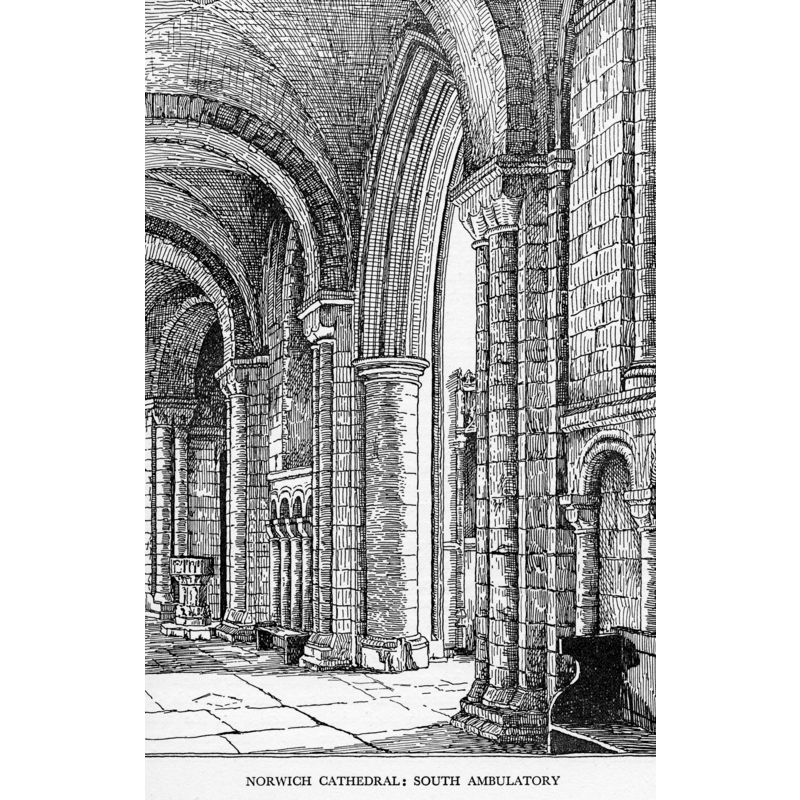
Scene Description: the font in the south ambulatory
Copyright Statement: Image copyright © [in the public domain]
Image Source: digital image of an illustration in James (1930: [117])
Copyright Instructions: PD
view of font
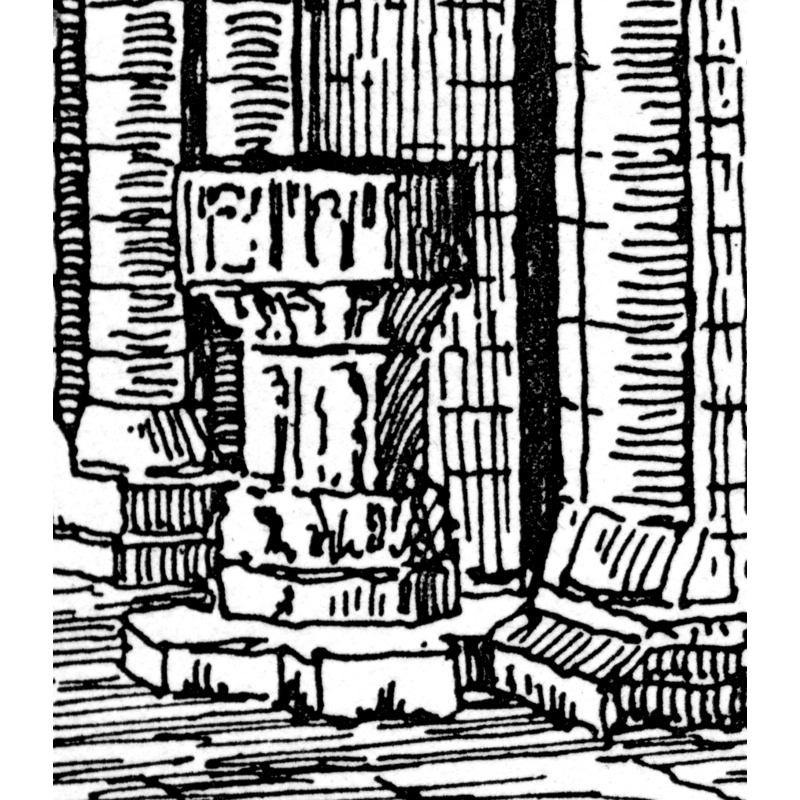
Copyright Statement: Image copyright © [in the public domain]
Image Source: digital image of an illustration in James (1930: [117] -- detail)
Copyright Instructions: PD
design element - architectural - buttress - 8 (open and containing a figure in each)
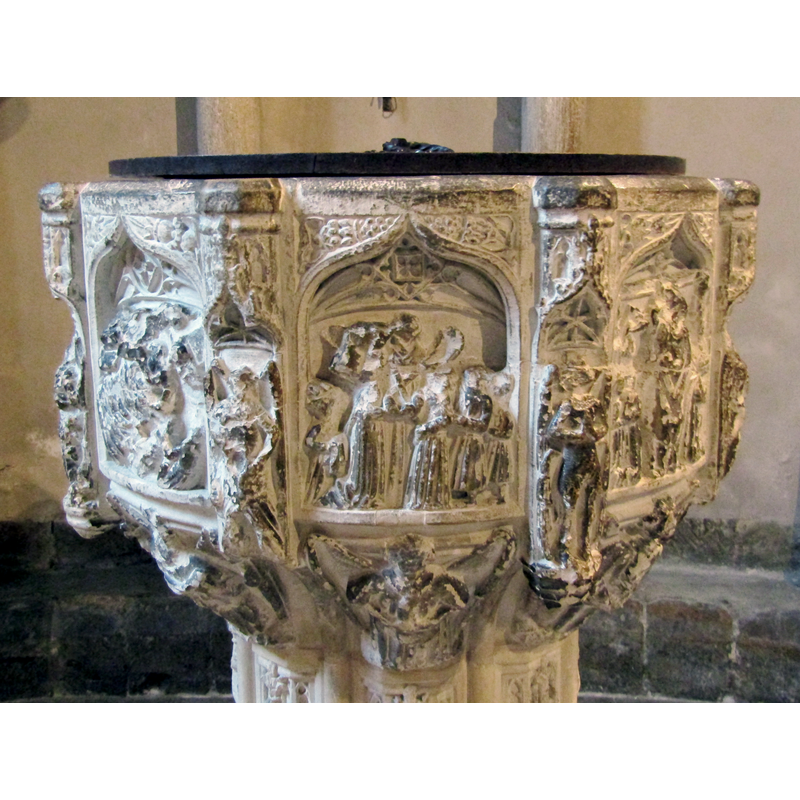
Copyright Statement: Image copyright © Colin Smith, 2020
Image Source: digital photograph taken 15 August 2020 by Colin Smith
Copyright Instructions: Image and permission received from the author (e-mail of 11 October 2020)
view of church exterior - detail
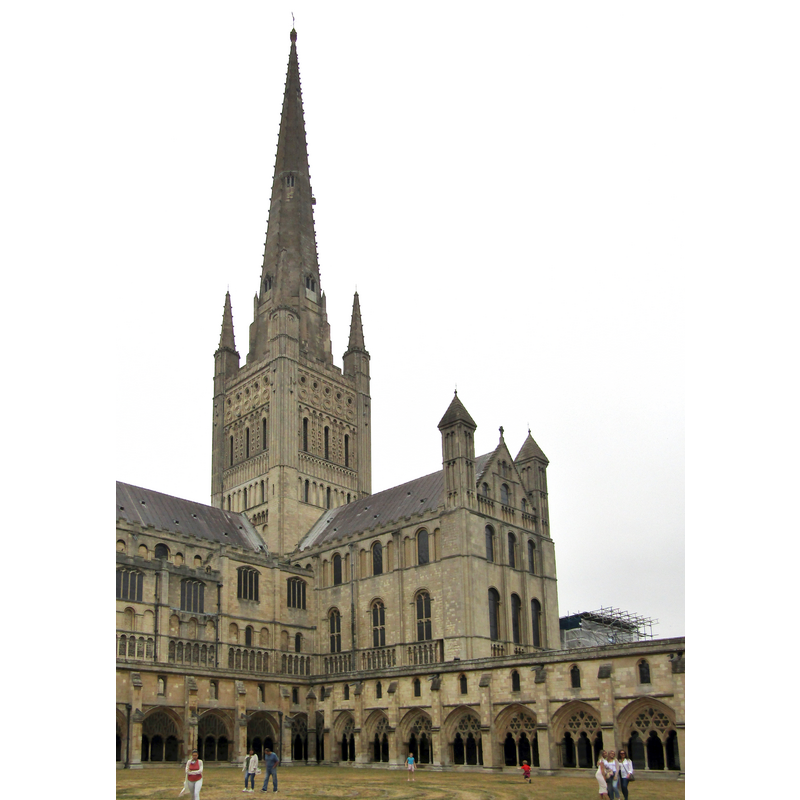
Copyright Statement: Image copyright © Colin Smith, 2020
Image Source: digital photograph taken 15 August 2020 by Colin Smith
Copyright Instructions: Image and permission received from the author (e-mail of 11 October 2020)
view of church interior - ceiling - boss
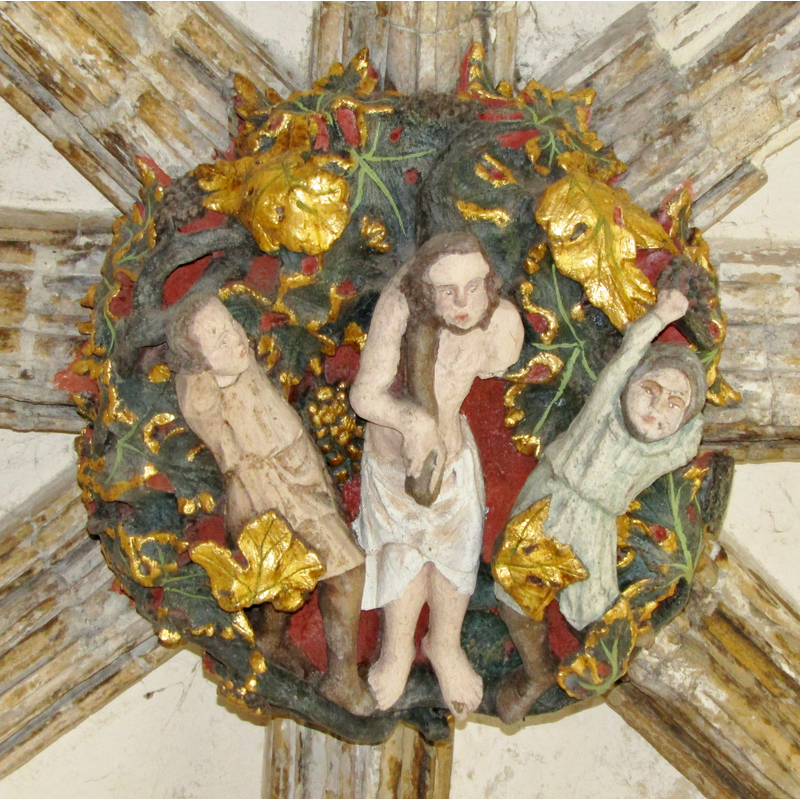
Copyright Statement: Image copyright © Colin Smith, 2020
Image Source: digital photograph taken 15 August 2020 by Colin Smith
Copyright Instructions: Image and permission received from the author (e-mail of 11 October 2020)
view of church interior - detail
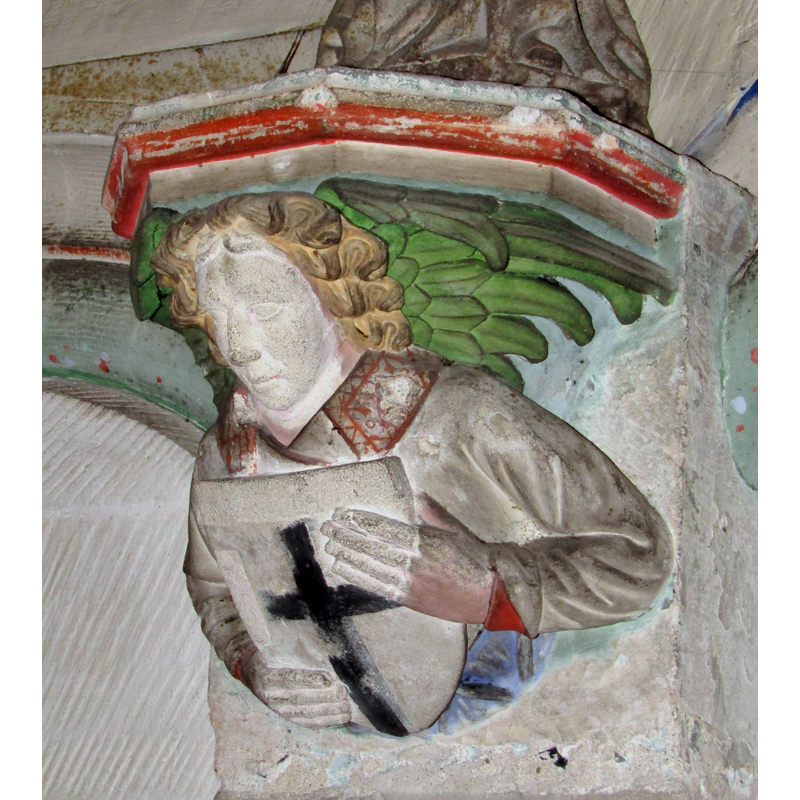
Copyright Statement: Image copyright © Colin Smith, 2020
Image Source: digital photograph taken 15 August 2020 by Colin Smith
Copyright Instructions: Image and permission received from the author (e-mail of 11 October 2020)
human figure - 8?
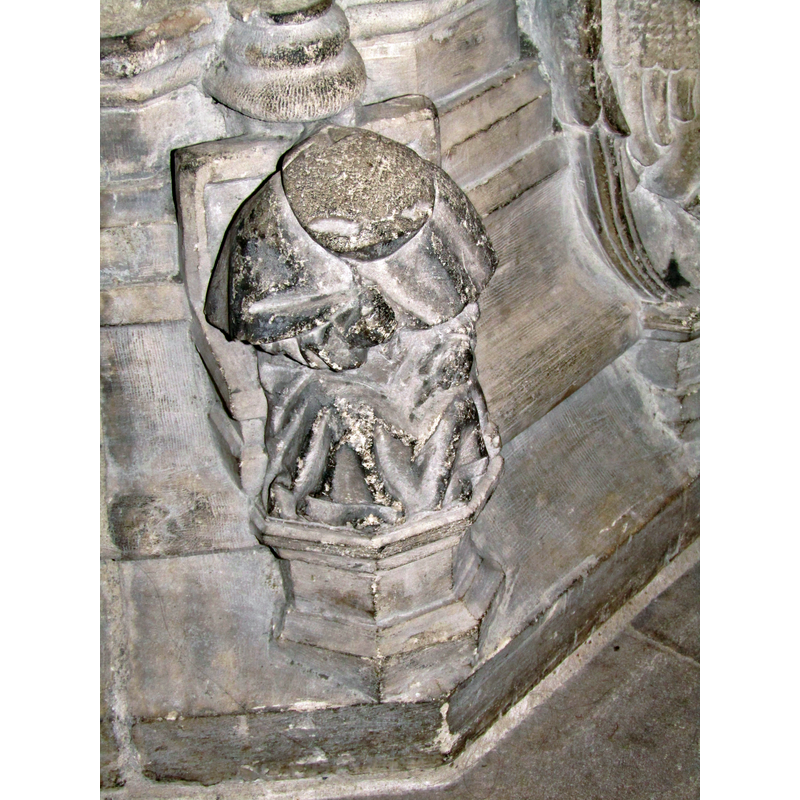
Scene Description: on the protruding arms of the lower base
Copyright Statement: Image copyright © Colin Smith, 2020
Image Source: digital photograph taken 15 August 2020 by Colin Smith
Copyright Instructions: Image and permission received from the author (e-mail of 11 October 2020)
Apostle or saint - unidenitfied - 8
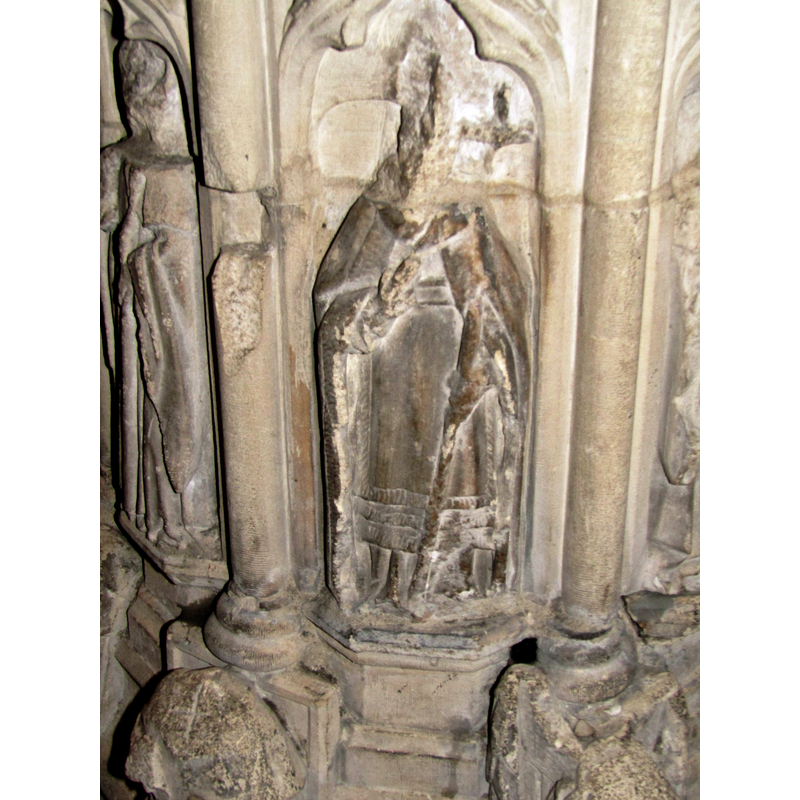
Scene Description: one, raised on a stool or pedestal, under each canopy
Copyright Statement: Image copyright © Colin Smith, 2020
Image Source: digital photograph taken 15 August 2020 by Colin Smith
Copyright Instructions: Image and permission received from the author (e-mail of 11 October 2020)
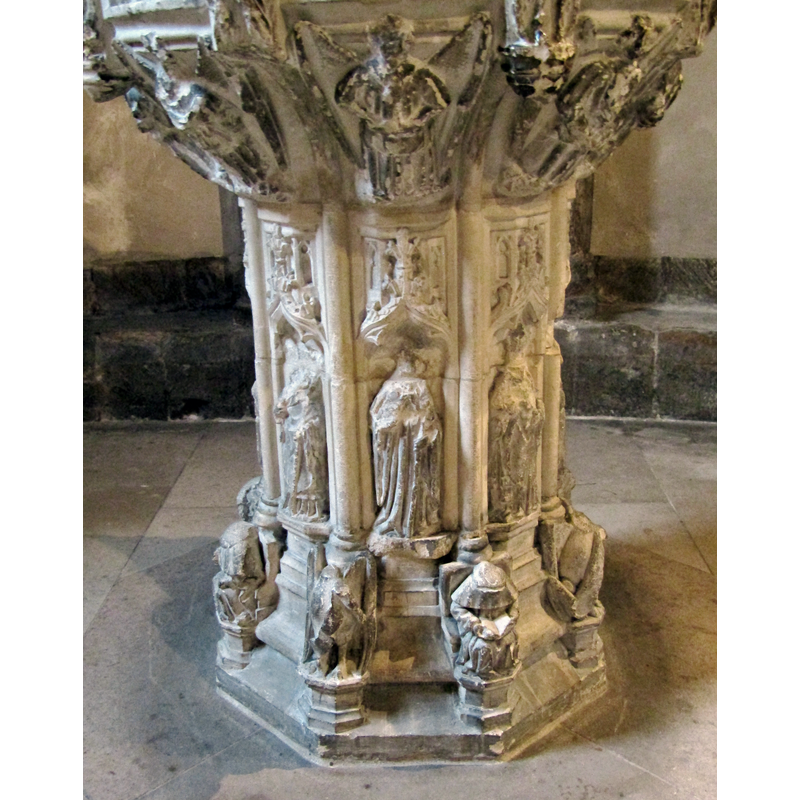
design element - architectural - canopy - pinnacled - crocketed pinnacle - 8
Copyright Statement: Image copyright © Colin Smith, 2020
Image Source: digital photograph taken 15 August 2020 by Colin Smith
Copyright Instructions: Image and permission received from the author (e-mail of 11 October 2020)
view of base - detail
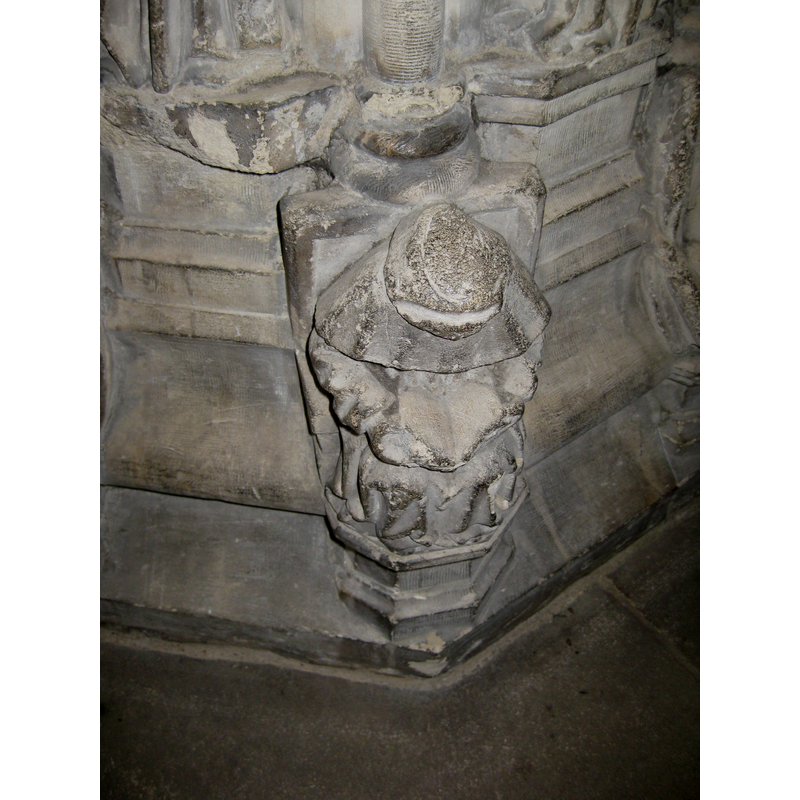
Scene Description: one of the hooded figures
Copyright Statement: Image copyright © Janice Tostevin, 2009
Image Source: digital photograph taken 29 April 2009 by Janice Tostevin
Copyright Instructions: Standing permission
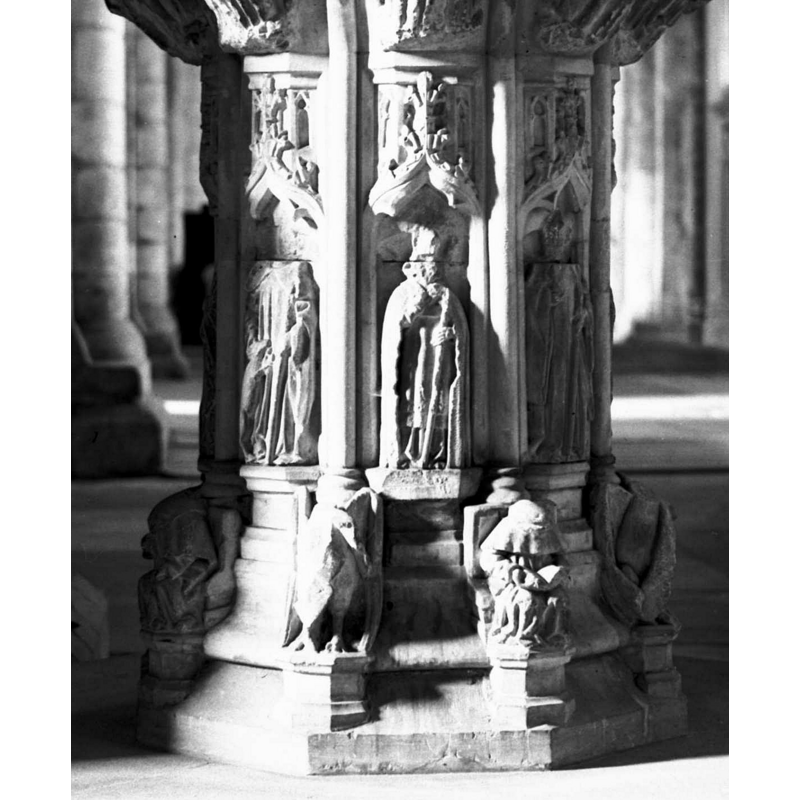
view of base
Copyright Statement: Image copyright © George Plunkett, 2004
Image Source: Jonathan Plunkett (from the collection of George Plunkett)
Copyright Instructions: Image and permission received (e-mail of 1/4/2004)
angel - 8
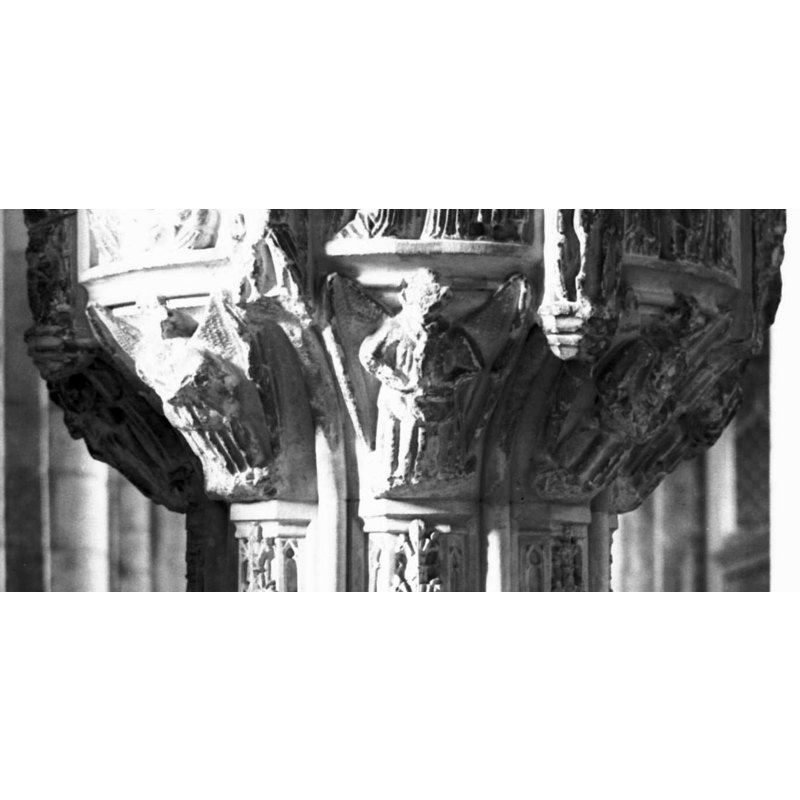
Copyright Statement: Image copyright © George Plunkett, 2004
Image Source: Jonathan Plunkett (from the collection of George Plunkett)
Copyright Instructions: Image and permission received (e-mail of 1/4/2004)
INFORMATION
Font ID: 01123NOR
Object Type: Baptismal Font1
Font Century and Period/Style: 15th century, Perpendicular
Workshop/Group/Artisan: Seven-Sacraments font
Cognate Fonts: Nichols (1992) gives East Dereham as cognate and Brooke as collateral
Church / Chapel Name: Cathedral Church of the Holy and Undivided Trinity [orig. from St. Mary in the Marsh]
Font Location in Church: Inside the cathedral, to the right of the Ambulatory in St. Luke's Chapel
Church Patron Saint(s): The Holy Trinity
Previous Font Location(s): Parish Church of St. Mary in the Marsh
Church Address: 12 The Close, Norwich, Norfolk NR1 4DH
Site Location: Norfolk, East Anglia, England, United Kingdom
Directions to Site: Located off Palace St. and Bishopgate
Ecclesiastic Region: Diocese of Norwich
Historical Region: Hundred of Norwich
Additional Comments: recycled font: from the old church -- disappeared font: from the Norman church
Font Notes:
Click to view
There are ten entries for Norwich [variant spelling] in the Domesday survey [https://opendomesday.org/place/TG2308/norwich/] [accessed 13 October 2020], one of which records "22.7 churches. 2.57 church lands" in it; a separate entry records a priest and a church in it. Blomefield (1805-1810) wites: "The font is very ancient, being that which stood in the church of St. Mary in the Marsh; there are upon it the carvings of the seven Sacraments, and the four Evangelists, besides other saints, popes, and confessors", and gives its location in the chapel of St. Luke the Evangelist. Noted in Britton (1814-1835). In Poole (1842), with referenvce to Britton. Lewis' Dictionary of 1848 reports: "The font, in St. Luke's chapel, is remarkably beautiful". Noted in Cautley (1949). Studied in detail in Nichols (1994) who gives the scenes on the basin as: 1)Baptism; 2)Confirmation; 3)Penance; 4)Eucharist; 5)Marriage; 6)Extreme Unction; 7)Crucifixion; 8)Holy Orders. The Norwich Cathedral guide (1990) reads: "The font of the long vanished parish church of St. Mary in the Marsh is the cathedral font. It is an example of a Seven sacraments font, once popular in East Anglia. (One sacrament is depicted on seven faces of the bowl and the eighth face shows the crucifixion." This is a very ornate font, with each scene framed in a richly decorated environment; the eight sides have matching ornament on the underbowl, stem and base.; the elements which serve to separate the scenes are very ornate in the bowl, with a niche containing a figure in each of the buttresses, plain columns in the stem and figures at the lower base. Noted in Pevsner & Wilson (1997): "The font, which came from the destroyed church, is a sumptuous piece of the C15 East Anglian type, with eith seated figurines on the foot, eight standing figurines against the stem, and the Seven Sacraments separated by eight angels against the bowl." The British Local History web site [http://norwich.britishlocalhistory.com] [accessed 11 January 2009] notes: "A medieval stone font stands in St Luke's Chapel at the eastern end of the cathedral. This belonged to the lost church of St Mary-in-the-Marsh, which once, stood inside the close." [NB: the fabric of the old building goes back to Norman times, but we have no information on the earlier font of that church
Credit and Acknowledgements: We are grateful to Jonathan Plunkett for the photograph of this font, taken by his father, George Plunkett, in 1938]. We are also grateful to Janice Tostevin and Colin Smith for their photographs of this church and font
COORDINATES
UTM: 31U 385024 5832684
Latitude & Longitude (Decimal): 52.631944, 1.301111
Latitude & Longitude (DMS): 52° 37′ 55″ N, 1° 18′ 4″ E
MEDIUM AND MEASUREMENTS
Material: stone, type unknown
Font Shape: octagonal, mounted
Basin Interior Shape: round
Basin Exterior Shape: octagonal
LID INFORMATION
Material: wood?
Apparatus: no
REFERENCES
- Norwich Cathedral (a Pitkin cathedral guide), Andover, Hants.: Pitkin Pictorials, 1990, p. 16
- Anderson, M.D., The Imagery of British churches, London: John Murray, 1955, p. 200 fn3
- Blomefield, Francis, An essay towards a topographical history of Norfolk, 1805-1810, vol. 4: 1-46 / [www.british-history.ac.uk/report.aspx?compid=78111] [accessed 19 March 2013]
- Bond, Francis, Fonts and Font Covers, London: Waterstone, 1985 c1908, p. 247, 259
- Britton, John, Cathedral antiquities of England, London: Printed for and published by Longman, Hurst, Rees, Orme, and Brown, Paternoster Row, 1814-1835
- Cautley, Henry Munro, Norfolk Churches, Ipswich: Norman Adlard & Co., 1949, p. 23
- Cox, John Charles, English Church Furniture, New York: E.P. Dutton & Co., 1907, p. 169
- James, M. R., Suffolk and Norfolk, London, Toronto: Dent & Sons, 1930, p. [117]
- Lewis, Samuel, A Topographical Dictionary of England, Comprising the Several Counties, Cities, Boroughs, Corporate and Market Towns, Parishes, Chapelries, and Townships, and the Islands of Guernsy, Jersey, and Man, with Historical and Statistical Descriptions [...], London: S. Lewis, 1831, [www.british-history.ac.uk/report.asp?compid=51187] [accessed 22 February 2007]
- Nichols, Ann Eljenholm, Seeable Signs: The Iconography of the Seven Sacraments 1350-1544, Woodbridge: The Boydell Press, 1994, p. 4, 71, 72, 74, 106, 109, 113n, 126, 173n, 209, 219, 224, 225, 234, 237246, 263, 267, 289, 299, 307-309, 315-316, 333, 344-345 and plates 53, 90
- Pevsner, Nikolaus, Norfolk 1: Norwich and North-East [2nd ed.], Harmondsworth: Penguin Books, 1997, p. 208
- Poole, George Ayliffe, The Appropriate Character of Church Architecture, Leeds; London: T.W. Green; Rivington, Burns, and Houlston and Stoneman, 1842, p. 73