Penmon No. 1 / Beaumaris
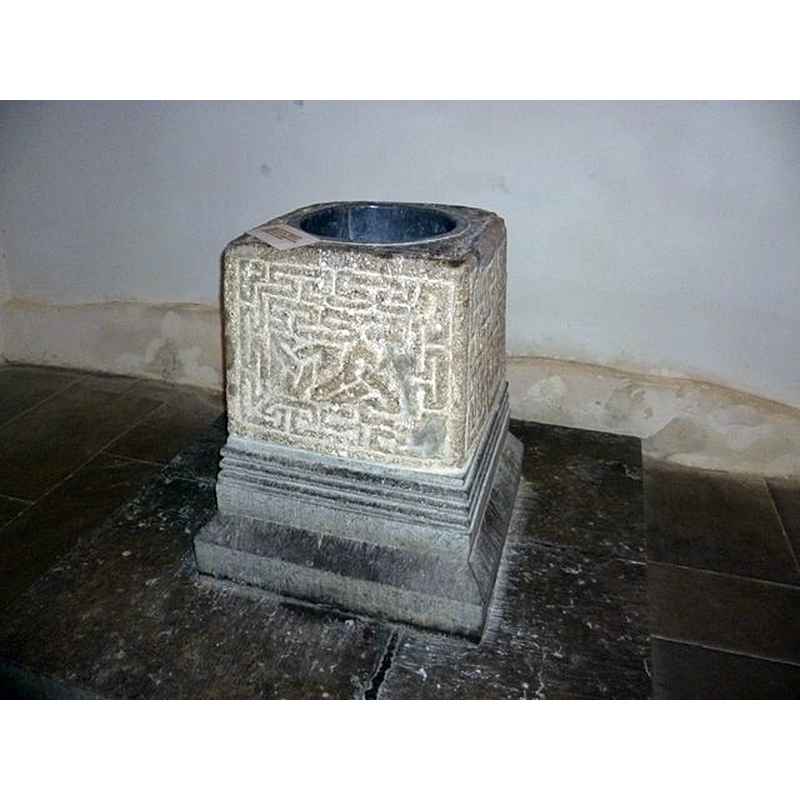
Image copyright © Jeremy Bolwell, 2015
CC-BY-SA-2.5
Results: 25 records
view of font
Scene Description: Source caption: "Font in St. Seiriol's church at Penmon, Anglesey. Vikings probably ran around this ancient font in 971 as they looted and burned at Penmon."
Copyright Statement: Image copyright © Jeremy Bolwell, 2015
Image Source: digital photograph 4 May 2015 by Jeremy Bolwell [https://www.geograph.org.uk/photo/4471489] [accessed 3 April 2025]
Copyright Instructions: CC-BY-SA-2.5
view of font
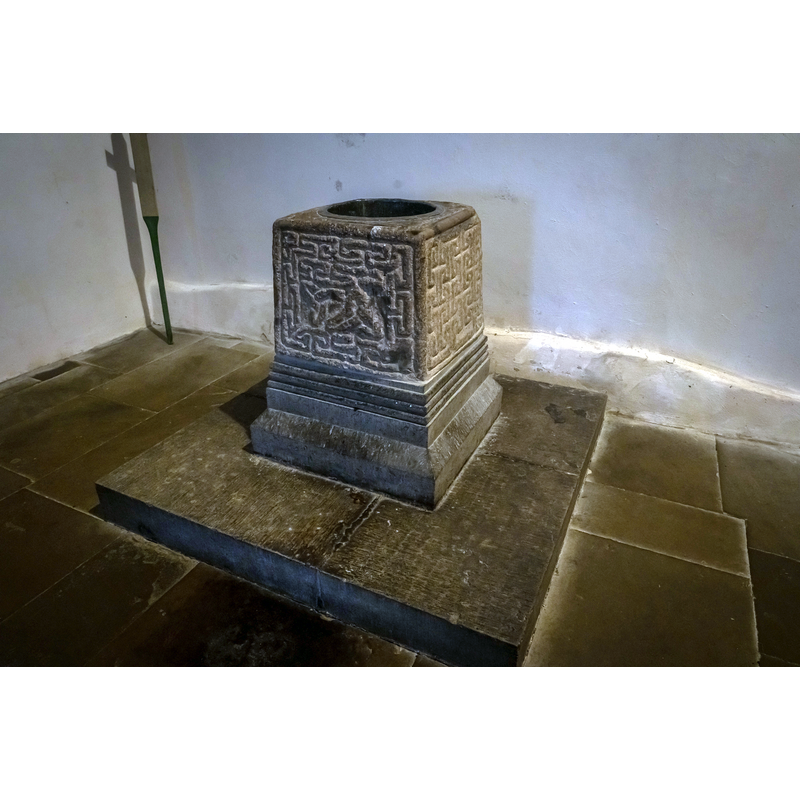
Scene Description: Source caption: "Penmon Priory C10th Sandstone Font"
Copyright Statement: Image copyright © Brian Deegan, 2024
Image Source: digital photograph 3 March 2024 by Brian Deegan [edited] [https://www.geograph.org.uk/photo/7737050] [accessed 3 April 2025]
Copyright Instructions: CC-BY-SA-2.5
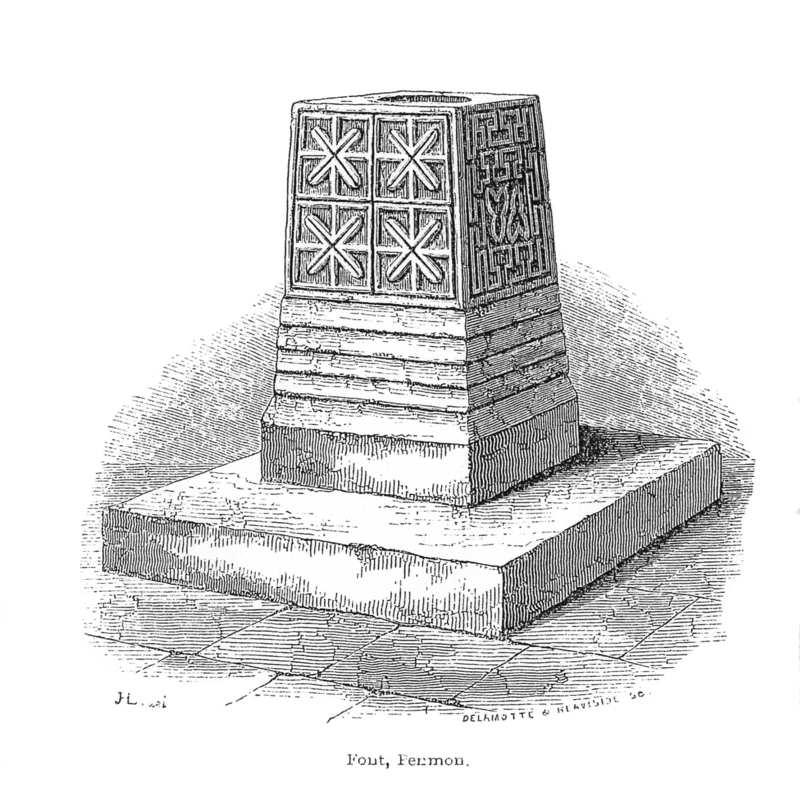
view of font
Copyright Statement: Image copyright © [in the public domain]
Image Source: digital image of an engraving from a drawing by Delamotte in H.L. Jones (1844)
Copyright Instructions: PD
view of font - front side
Copyright Statement: Image copyright © Lis Audigier, 2006
Image Source: digital photograph taken in April 2006 by Lis Audigier
Copyright Instructions: Standing permission
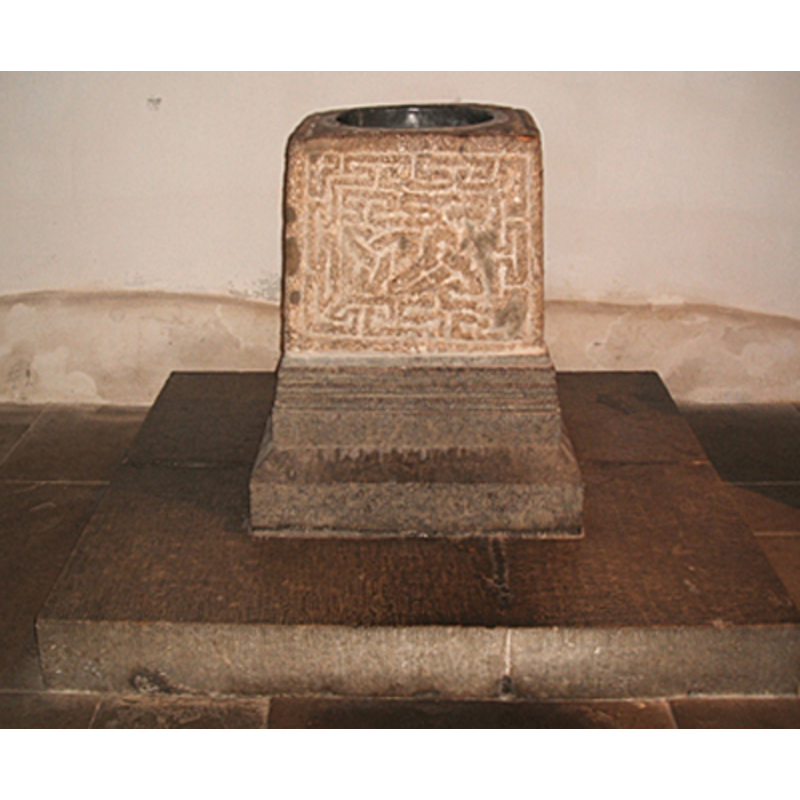
view of font
![the basin at Penmon shown in Westwood (1876-1879) in its claimed original function as base of the cross [cf. FontNotes]](/static-50478a99ec6f36a15d6234548c59f63da52304e5/compressed/1041027010_compressed.png)
Scene Description: the basin at Penmon shown in Westwood (1876-1879) in its claimed original function as base of the cross [cf. FontNotes]
Copyright Statement: Image copyright © [in the public domain]
Image Source: digital image of an illustration in Westwood (1876-1879: pl. LXXXIV)
Copyright Instructions: PD
view of font
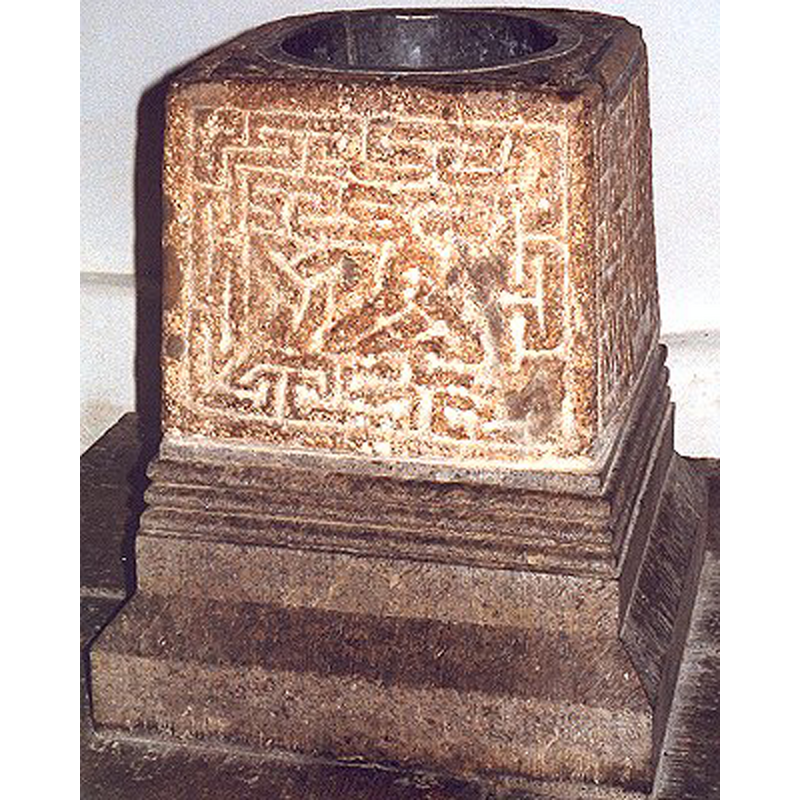
Copyright Statement: Image copyright © Peter Fairweather, 2002
Image Source: digital image by Peter Fairweather, Lincoln
Copyright Instructions: Standing permission
view of font
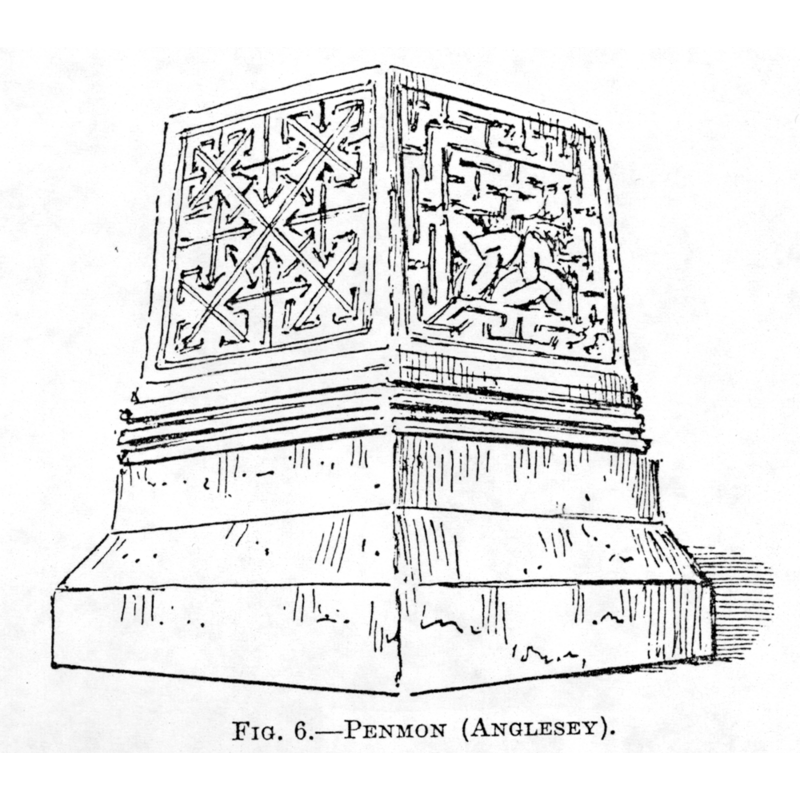
Copyright Statement: Image copyright © [in the public domain]
Image Source: digital image of an illustration in Tyrrell-Green (1929: fig. 6 on p. 23)
Copyright Instructions: PD
view of basin - interior
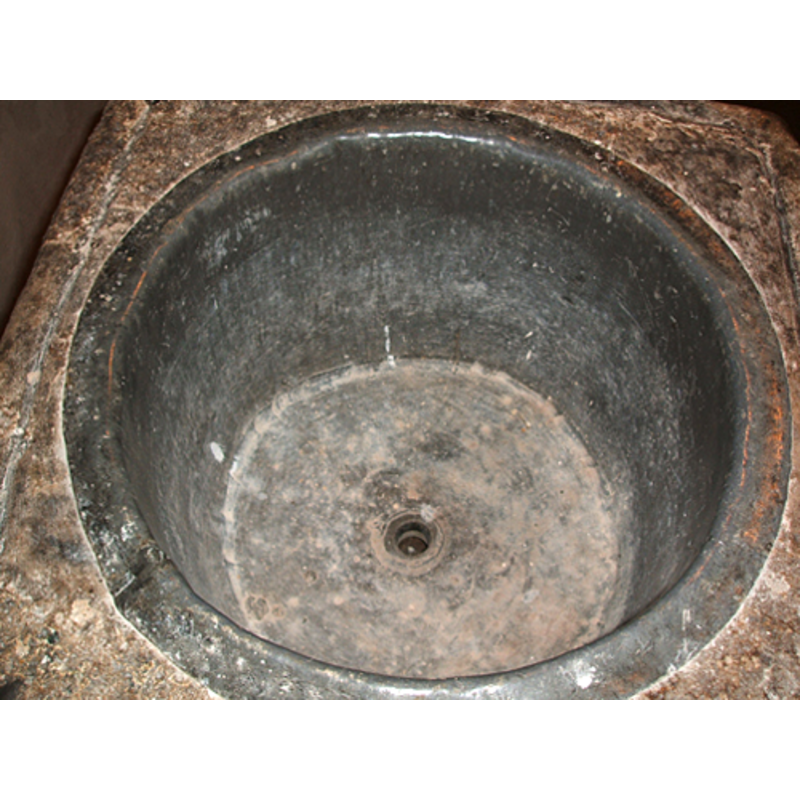
Copyright Statement: Image copyright © Lis Audigier, 2006
Image Source: digital photograph taken in April 2006 by Lis Audigier
Copyright Instructions: Standing permission
symbol - triquetra - 2
Scene Description: front side of the base
Copyright Statement: Image copyright © Peter Fairweather, 2002
Image Source: digital image by Peter Fairweather, Lincoln
Copyright Instructions: Standing permission
design element - motifs - interlace
Scene Description: front side of the base
Copyright Statement: Image copyright © Peter Fairweather, 2002
Image Source: digital image by Peter Fairweather, Lincoln
Copyright Instructions: Standing permission
view of church exterior
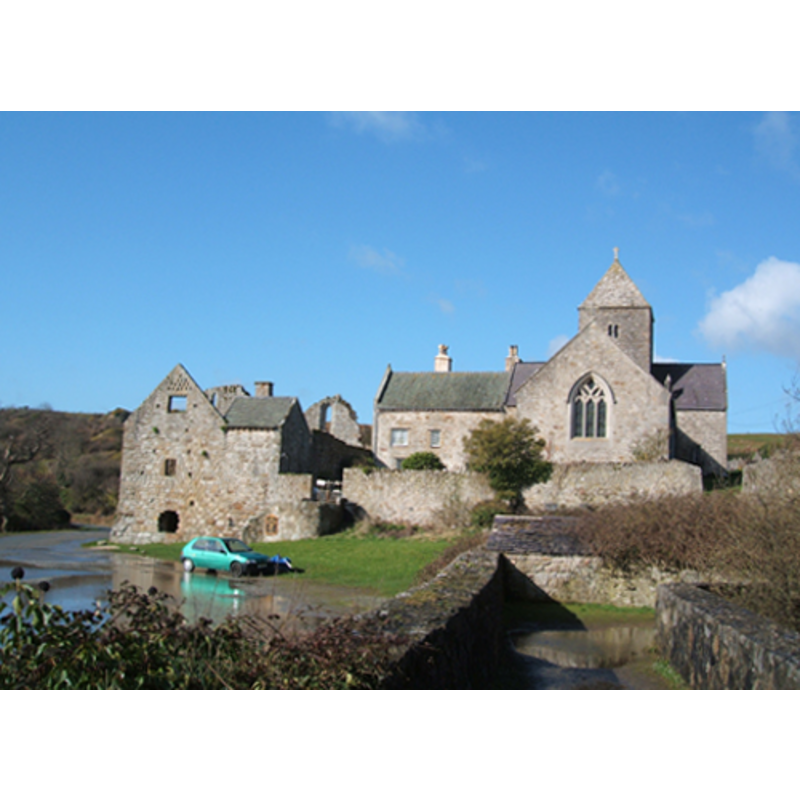
Copyright Statement: Image copyright © Lis Audigier, 2006
Image Source: digital photograph taken in April 2006 by Lis Audigier
Copyright Instructions: Standing permission
view of church interior - cross
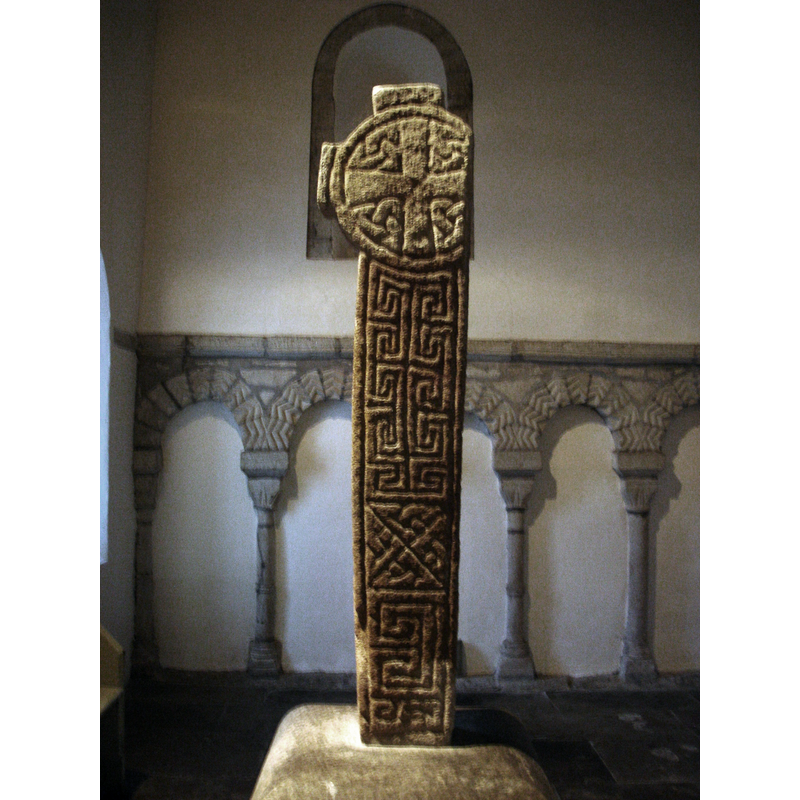
Scene Description: Source caption: " 10th century cross from St Seiriol's Church, Penmon, Anglesey. One arm was removed for use as a lintel. The stone base records the moving of the stone by the Cambrian Archeological Society in 1895."
Copyright Statement: Image copyright © Bencherlite, 2007
Image Source: digital photograph 11 April 2007 by Bencherlite [https://commons.wikimedia.org/wiki/File:Cross_St_Seiriol's_Church.JPG] [accessed 21 April 2023]
Copyright Instructions: GFDL / CC-BY-SA-3.0 / CC-BY-SA-2.5,2.0,1.0
view of font in context
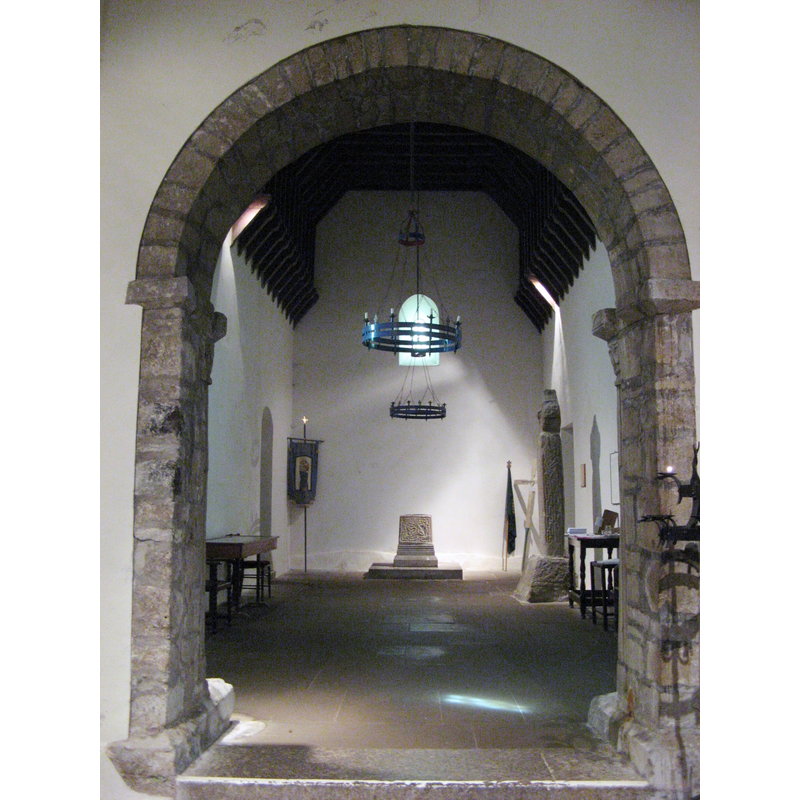
Scene Description: Source caption: "Interior of St Seiriol's Church, Penmon, Anglesey"
Copyright Statement: Image copyright © Jonathan Oldenbuck, 2008
Image Source: digital photograph 10 September 2008 by Jonathan Oldenbuck [https://commons.wikimedia.org/wiki/File:St_Seiriol%27s_Church_interior.JPG] [accessed 21 April 2023]
Copyright Instructions: GFDL / CC-BY-SA-3.0
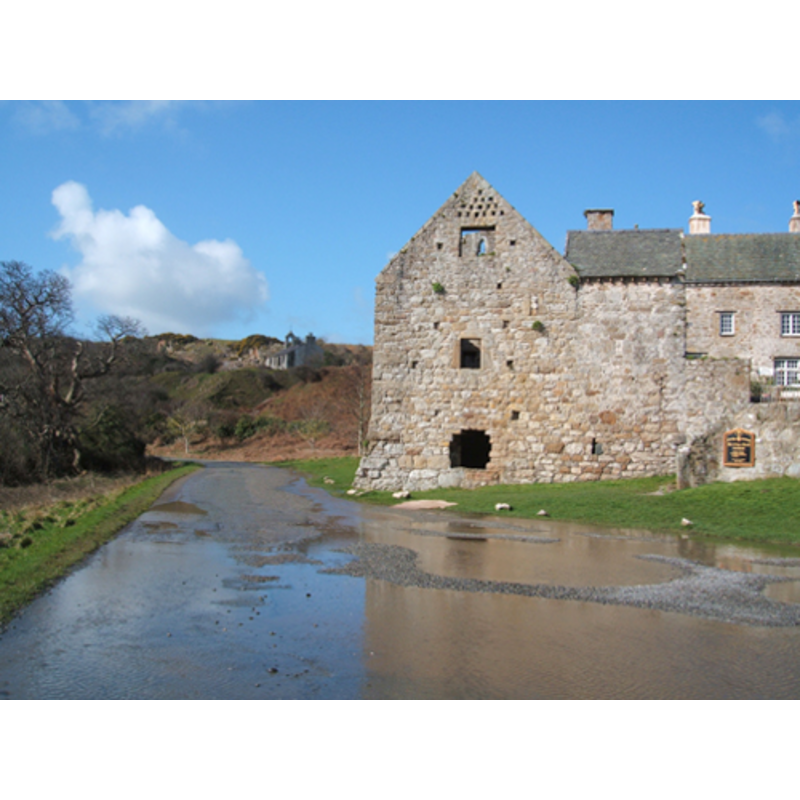
view of church exterior - detail
Copyright Statement: Image copyright © Lis Audigier, 2006
Image Source: digital photograph taken in April 2006 by Lis Audigier
Copyright Instructions: Standing permission
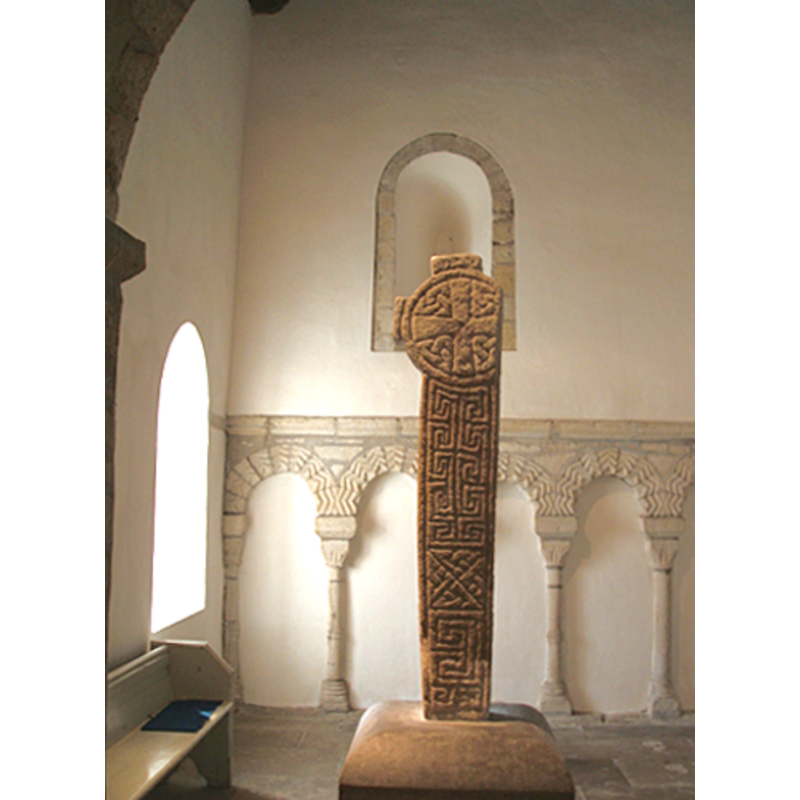
view of church interior - detail - cross
Copyright Statement: Image copyright © Lis Audigier, 2006
Image Source: digital photograph taken in April 2006 by Lis Audigier
Copyright Instructions: Standing permission
view of church exterior - detail
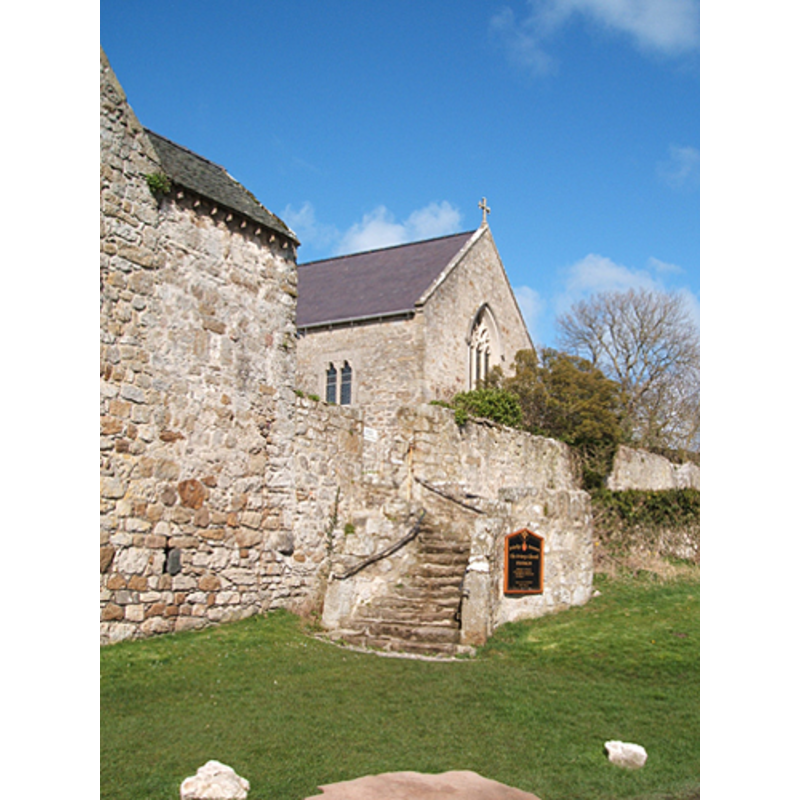
Copyright Statement: Image copyright © Lis Audigier, 2006
Image Source: digital photograph taken in April 2006 by Lis Audigier
Copyright Instructions: Standing permission
view of church interior - detail
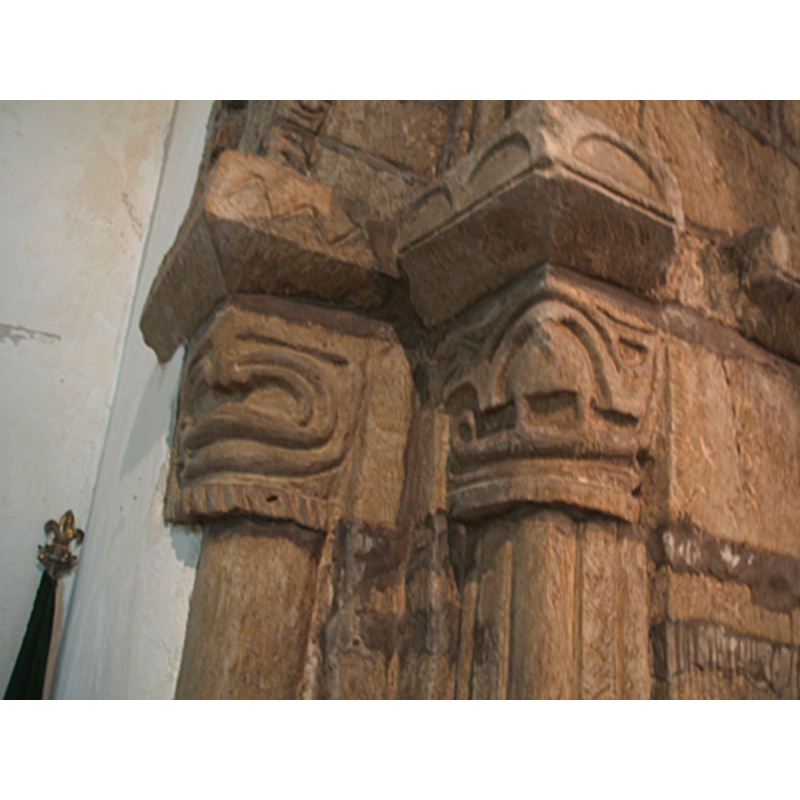
Copyright Statement: Image copyright © Lis Audigier, 2006
Image Source: digital photograph taken in April 2006 by Lis Audigier
Copyright Instructions: Standing permission
view of iconographic program
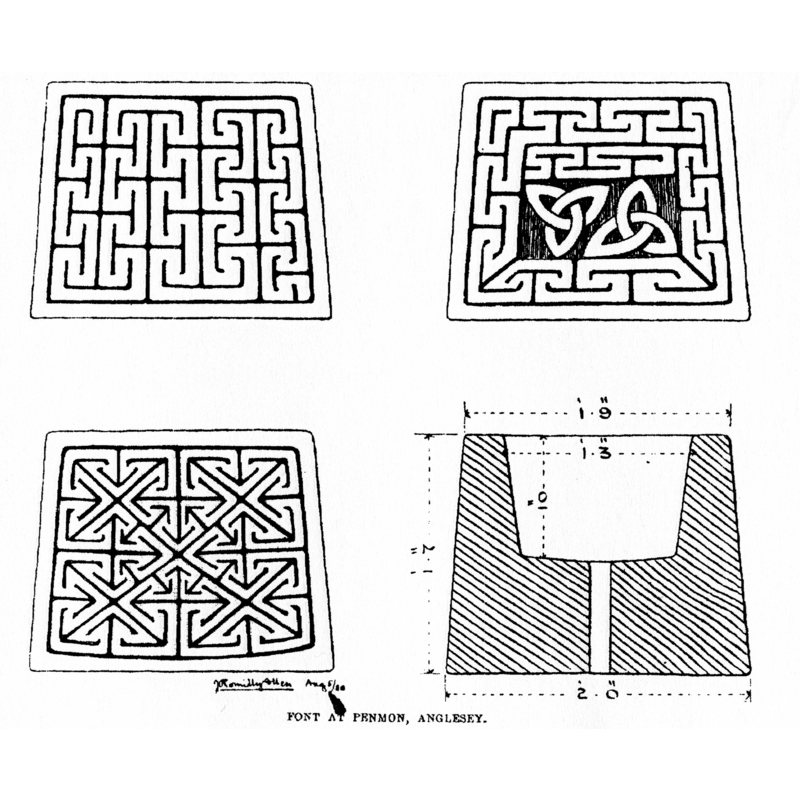
Copyright Statement: Image copyright © [in the public domain]
Image Source: digital image of an engraving in Romilly Allen (1888: ill. opp. p. 170)
Copyright Instructions: PD
view of font - section
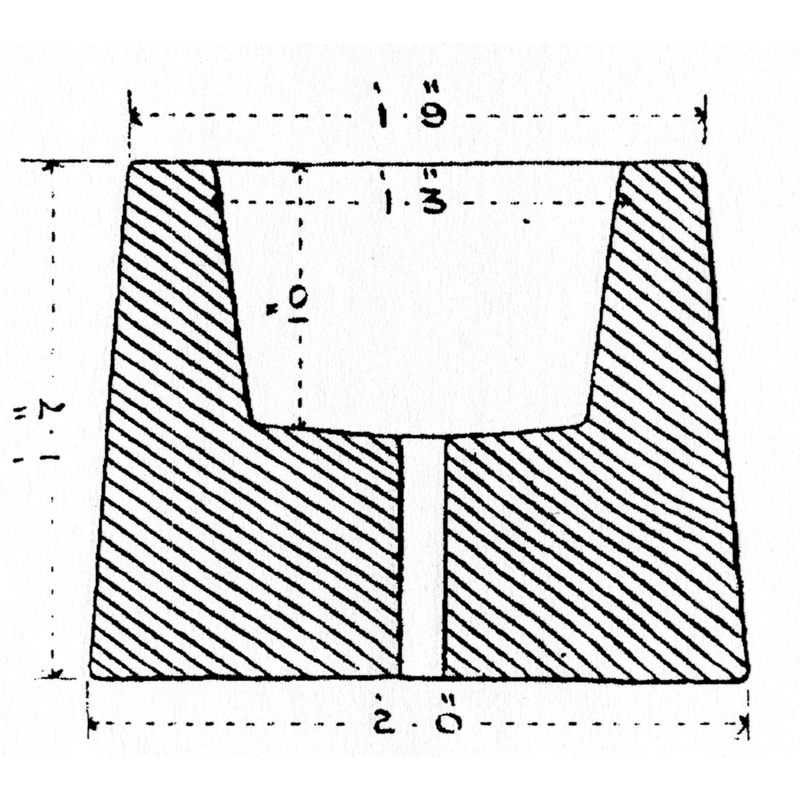
Copyright Statement: Image copyright © [in the public domain]
Image Source: digital image of an engraving in Romilly Allen (1888: ill. opp. p. 170)
Copyright Instructions: PD
view of basin - left side

Copyright Statement: Image copyright © Nash-Williams, 1950
Image Source: digital image of an illustration in Nash-Williams (1950: pl. XXX)
Copyright Instructions: PERMISSION NOT AVAILABLE -- IMAGE NOT FOR PUBLIC USE
view of basin - right side
Copyright Statement: Image copyright © Nash-Williams, 1950
Image Source: digital image of an illustration in Nash-Williams (1950: pl. XXX)
Copyright Instructions: PERMISSION NOT AVAILABLE -- IMAGE NOT FOR PUBLIC USE
view of basin - right side
Copyright Statement: Image copyright © Nash-Williams, 1950
Image Source: digital image of an illustration in Nash-Williams (1950: fig. 12)
Copyright Instructions: PERMISSION NOT AVAILABLE -- IMAGE NOT FOR PUBLIC USE
view of basin - left side
Copyright Statement: Image copyright © Nash-Williams, 1950
Image Source: digital image of an illustration in Nash-Williams (1950: fig. 12)
Copyright Instructions: PERMISSION NOT AVAILABLE -- IMAGE NOT FOR PUBLIC USE
view of basin - front side
Copyright Statement: Image copyright © Nash-Williams, 1950
Image Source: digital image of an illustration in Nash-Williams (1950: fig. 12)
Copyright Instructions: PERMISSION NOT AVAILABLE -- IMAGE NOT FOR PUBLIC USE
view of basin - front side
Copyright Statement: Image copyright © Nash-Williams, 1950
Image Source: digital image of an illustration in Nash-Williams (1950: pl. XXX)
Copyright Instructions: PERMISSION NOT AVAILABLE -- IMAGE NOT FOR PUBLIC USE
INFORMATION
Font ID: 00788PEN
Object Type: Baptismal Font1
Font Century and Period/Style: 10th - 11th century / 12th century, Pre-Conquest [altered?] / Norman?
Cognate Fonts: [cf. FontNotes]
Church / Chapel Name: Priory church of St. Seiriol
Font Location in Church: Inside the church, in the W end of the nave
Church Patron Saint(s): St. Seiriol
Church Notes: There is also a 12th century stoup in this church. The legend says that the 6th century founder and now patron saint of this church, the abbot St. Seiriol, used the well here for the first baptisms (Farmer, 1987, p. 381)
Church Address: B5109, Beaumaris LL58 8SP, United Kingdom -- Tel.: +44 7789 625225
Site Location: Anglesey, Gwynedd, Wales, United Kingdom
Directions to Site: Located off the B5109, in the eastern-most tip of Anglesey, NE of Llangoed
Additional Comments: recycled font?: it is claimed that the font now in use at the Penmon priory church was converted to its current use in the middle of the 19th century from the base of an Anglo-Saxon high-cross. This object had been found in a stone-mason's yard, it is shaped like a cross base. The object has been dated as early as the 8th century, but it is more likely of a later date, probably the 11th or 12th century [cf. FontNotes].
Font Notes:
Click to view
The font is not mentioned in Lewis's Dictionary of 1833. Noted and illustrated in H.L. Jones, The Archaeological Journal (June, 1844: 122-123), engraving from a drawing by Delamotte. It is referred to in The National Gazetteer of 1868 simply as an ancient font. Several sources, including Tyrrell-Green (1928), suggest that the font now in use at the Penmon priory church was converted to its current use in the middle of the 19th century from the base of an Anglo-Saxon high-cross. This object had been found in a stone-mason's yard, in Beaumaris; it is shaped like a truncated pyramid and has "its faces adorned with key-pattern of the diaper-and-fret type and interlacing" (Tyrrell-Green, 1928), having on one side two triquetra motifs. The supposed original cross base has been dated as early as the 8th century, but it is more likely of a later date, probably the 10th or 12th century [cf. infra]. Described and illustrated with his own drawings in Romilly Allen (1888) with measurements. Described and illustrated in Bond (1908). Described and illustrated in Nash-Williams (1950), who dates it to the 10th-11th century. Noted in the RCAHM with suggested data ca. 1000. Peter Lord, in Diwylliant gweledol Cymru (1998-2003), dates this object to the late10th or 11th century and names the location of the finding as Beaumaris, in Anglesey. Lord (ibid.) comments on Nash-Williams identification of this object as a cross base, arguing that two factors appear to counter such claim: 1)"it is too small to have provided a stable base", and 2)only three sides are carved, which would be unusual for a cross base, and more in tune with a font or other object menat to be placed with one side against the wall, a case common in fonts, capitals, etc. Lord (ibid.) suggests the fonts at Heneglwys and Llanbeulan as examples of similar workmanship and quality. Thurlby (2006) argues also against the identification of this font as the base of a cross [cf. Bond, Nash-Williams and the RCAHM], without reference to Lord's already stated rejection of such identification [cf. supra]. Thurlby (ibid.), though admitting that "the date of the Penmon font is not easily determined", argues that it the "font is contemporary with the rich phase of work on the church in the 1120s and '30s", a phase which represents "the continuity or revival of such motifs on the twelfth-century fonts in the region". In Jenkins (2008). Pritchard (2009) states: "other than a general similarity in shape to a cross-base, there is no reason to dispute that this was always a font [...] Stylistically, it is contemporaneous with (or not much later than) the 10th-century".
Credit and Acknowledgements: We are grateful to Peter Fairweather, of www.churchmousewebsite.co.uk, and to Lis Audigier, for the photographs of this font.
COORDINATES
UTM: 30U 429568 5906810
Latitude & Longitude (Decimal): 53.3058, -4.057
Latitude & Longitude (DMS): 53° 18′ 20.88″ N, 4° 3′ 25.2″ W
MEDIUM AND MEASUREMENTS
Material: stone, type unknown
Number of Pieces: one
Font Shape: square (unmounted)
Basin Interior Shape: round
Basin Exterior Shape: square
Drainage System: centre hole in basin
Drainage Notes: lead lining
Diameter (inside rim): 37.5 cm***
Basin Depth: 25 cm***
Basin Total Height: 51 cm
Font Height (less Plinth): 51 cm -- 62.5 cm***
Square Base Dimensions: 60 x 60 cm** [and ***]
Trapezoidal Basin: 48.75 x 52.5 cm* - 52.5***
Notes on Measurements: Lord (47) -- *In Nash-Williams [21" x 19.5"] -- **In Nash-Williams [24" x 24"] -- ***Romilly Allen (1888)
REFERENCES
- The Visual Culture of Wales = Diwylliant gweledol Cymru, Cardiff: University of Wales Press, 1998-2003, vol. 3: 47-48, 50 and fig. 52
- Allen, J. Romilly, "On the Antiquity of Fonts in Great Britain", XLIV, Journal of the British Archaeological Association, 1888, pp. 164-173; p. 170, 173 and ill. on p. opposite p. 170
- Bond, Francis, Fonts and Font Covers, London: Waterstone, 1985 c1908, p. 99, 127, 138, 153 and ill. on p. 100
- Drake, Colin Stuart, The Romanesque Fonts of Northern Europe and Scandinavia, Woodbridge, Suffolk: Boydell Press, 2002, p. 33, 175
- Friar, Stephen, The Sutton Companion to Churches, Thrupp, Stroud (Gloucs.): Sutton Publishing, 2003, p. 202
- Great Britain. Royal Commission on Ancient Monuments and Constructions in Wales and Monmouthshire, An Inventory of the Ancient Monuments in Wales and Monmouthsire, London: H.M. Stationary Office, 1911-1925, p. 121 and pl. 179
- Jenkins, Simon, Wales: Churches, Houses, Castles, London: Allen Lane, 2008, p. 54
- Jones, H. Longueville [Revd.], "Remarks on some of the churches of Anglesey", 1 (June 1844), The Archaeological Journal, 1844, pp. [118]-130; p. 122-124
- Lewis, Samuel, A Topographical Dictionary of England, Comprising the Several Counties, Cities, Boroughs, Corporate and Market Towns, Parishes, Chapelries, and Townships, and the Islands of Guernsy, Jersey, and Man, with Historical and Statistical Descriptions [...], London: S. Lewis, 1831, [www.genuki.org/big/wal/AGY/Penmon/Index.html] [accessed 1 January 2007]
- Nash-Williams, Victor Erle, The Early Christian Monuments of Wales, Cardiff: University of Wales Press, 1950, p. 51, pl. XXX and fig. 12
- Pritchard, Aimee, "The origins of ecclesiastical stone architecture in Wales", The Early archaeology of the Early-Medieval Celtic churches, Leeds: Maney, 2009, p. 254-255 and fig. 13.3a
- Stocker, D.A., "Fons et origo: The Symbolic Death and Resurrection of English Font Stones", I (1997b), Church Archaeology, 1997, pp. 17-25; p. 25
- Thurlby, Malcolm, Romanesque architecture and sculpture in Wales, Little Logaston, Woonton, Almeley, Herts.: Logaston Press, 2006, p. 209-210, 227, 230-231 and figs. 288, 293, 294
- Tyrrell-Green, E., Baptismal Fonts Classified and Illustrated, London: Society for Promoting Christian Knowledge: The Macmillan Co., 1928, p. 23-24
- Westwod, John Obadiah, Lapidarium Walliæ: the Early Inscribed and Sculptured Stones of Wales, delineated and described, Oxford: Printed at the University Press for the Cambrian Archælogical Association, 1976-1879, p. 186 and pl. LXXXIV