Cilleruelo de Abajo No. 1 / Celleruel de Hañuéquez / Cilleruelo de Abaxo / Cilleruelo de Hannovequez
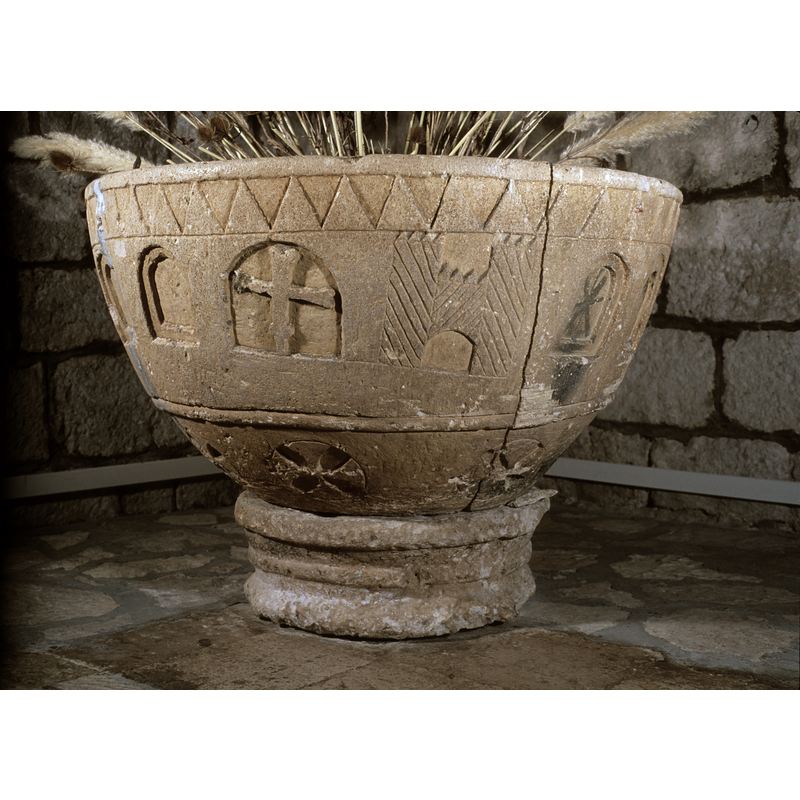
Image copyright © Baptisteria Sacra Index, 2023
CC-BY-NC-ND-4.0
Results: 16 records
view of font
Copyright Statement: Image copyright © Baptisteria Sacra Index, 2023
Image Source: digital image of a photograph taken 7 June 1999 by BSI
Copyright Instructions: CC-BY-NC-ND-4.0
view of font
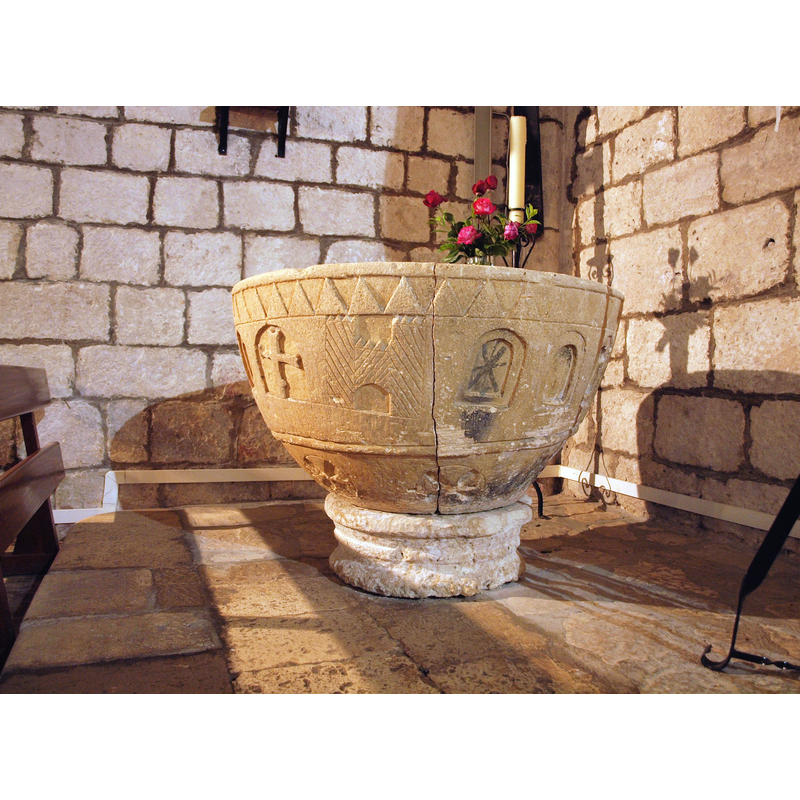
Copyright Statement: Image copyright © Mikel Unanue, 2016
Image Source: digital photograph taken 20 June 2016 by Mikel Unanue
Copyright Instructions: Image and permission received (email of 28 June 2016)
view of font
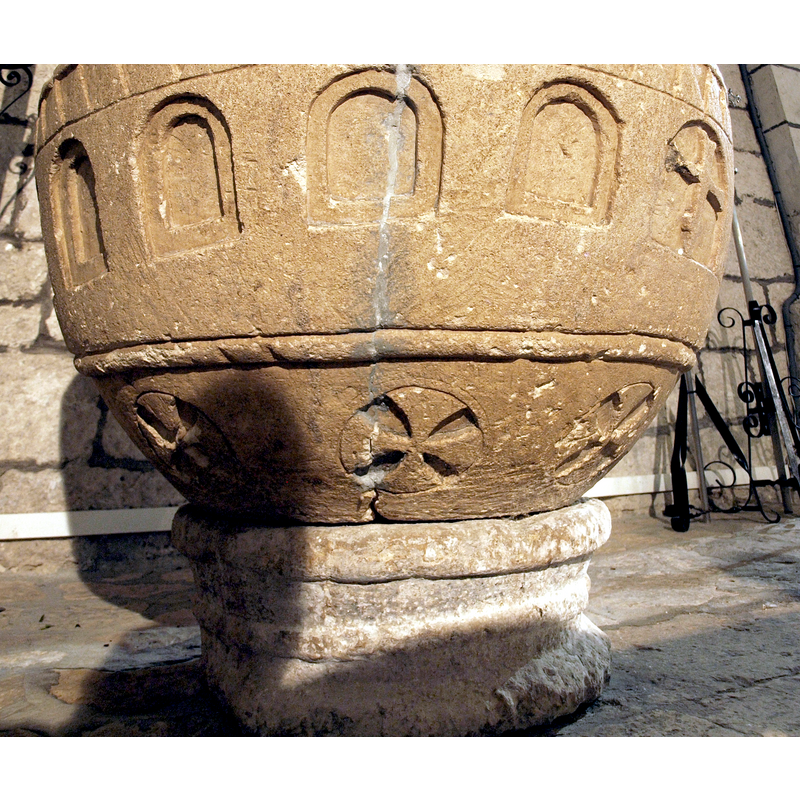
Copyright Statement: Image copyright © Mikel Unanue, 2016
Image Source: digital photograph taken 20 June 2016 by Mikel Unanue
Copyright Instructions: Image and permission received (email of 28 June 2016)
view of font - upper view
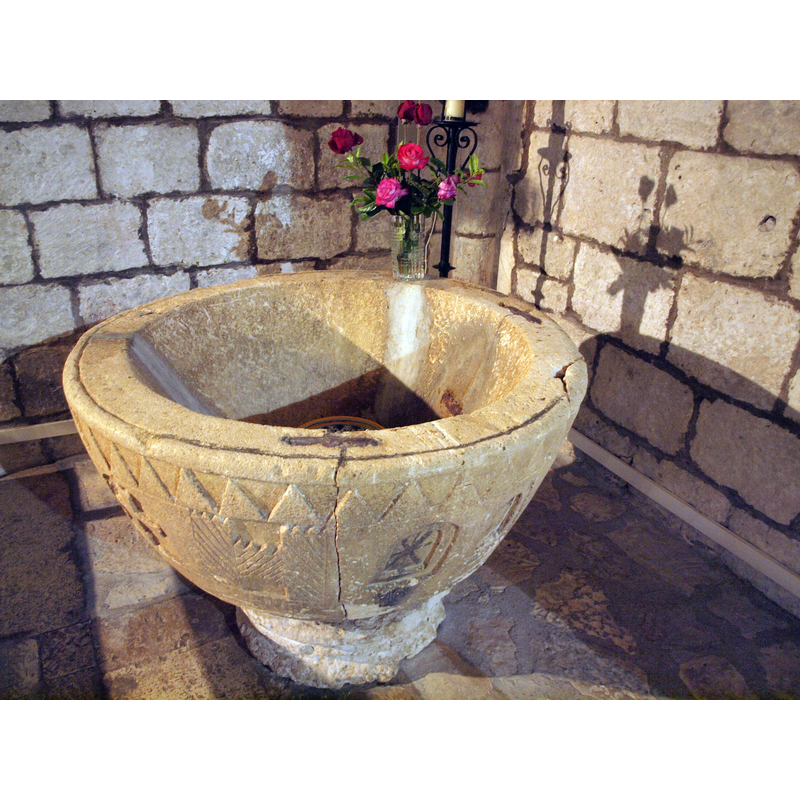
Copyright Statement: Image copyright © Mikel Unanue, 2016
Image Source: digital photograph taken 20 June 2016 by Mikel Unanue
Copyright Instructions: Image and permission received (email of 28 June 2016)
design element - motifs - sawtooth
Scene Description: all around the upper basin side: neatly and regularly carved
Copyright Statement: Image copyright © Baptisteria Sacra Index, 2023
Image Source: digital image of a photograph taken 7 June 1999 by BSI
Copyright Instructions: CC-BY-NC-ND-4.0
symbol - cross - processional cross
Scene Description: in one of the windows on the basin side
Copyright Statement: Image copyright © Baptisteria Sacra Index, 2023
Image Source: digital image of a photograph taken 7 June 1999 by BSI
Copyright Instructions: CC-BY-NC-ND-4.0
design element - architectural - fortress or portal

design element - motifs - roll moulding
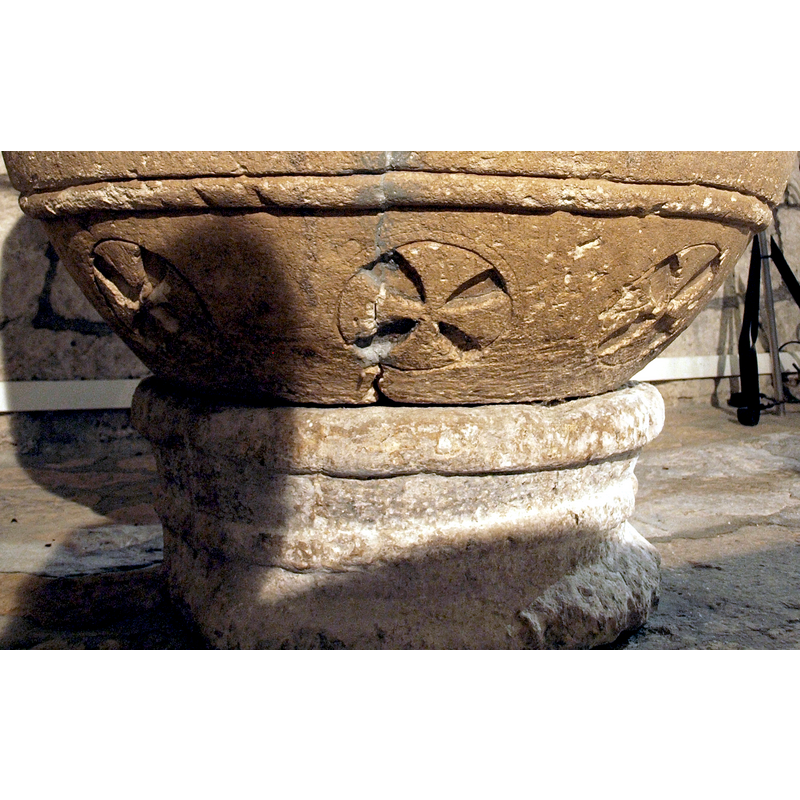
Scene Description: all around, dividing the basin side from the underbowl
Copyright Statement: Image copyright © Mikel Unanue, 2016
Image Source: digital photograph taken 20 June 2016 by Mikel Unanue
Copyright Instructions: Image and permission received (email of 28 June 2016)
symbol - cross - Greek - Maltese - in a circle - 7
Scene Description: all around, below the roll moulding
Copyright Statement: Image copyright © Mikel Unanue, 2016
Image Source: digital photograph taken 20 June 2016 by Mikel Unanue
Copyright Instructions: Image and permission received (email of 28 June 2016)
design element - architectural - window - 12
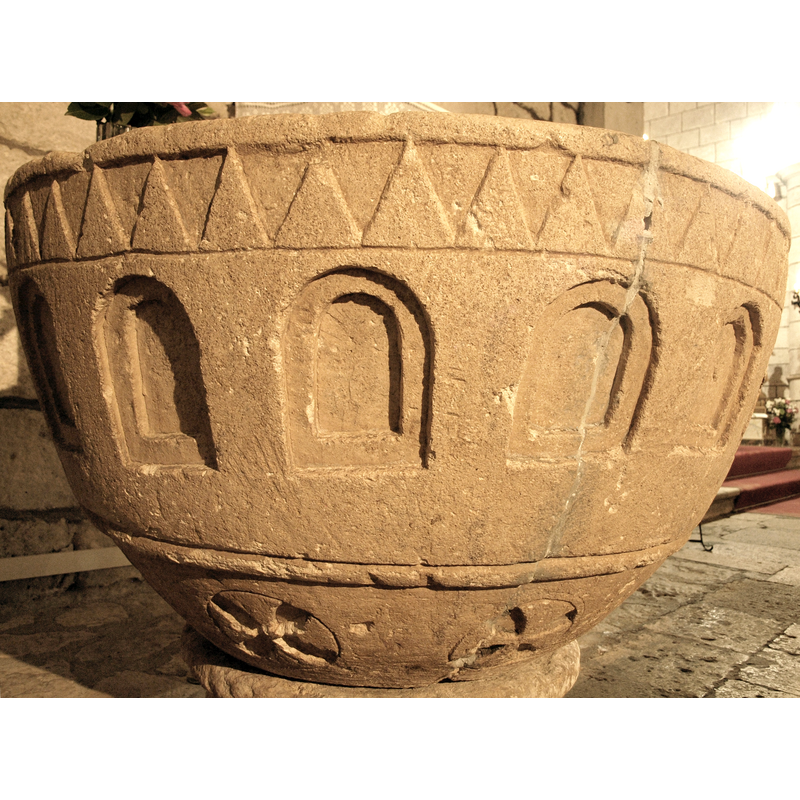
Scene Description: eleven of them are now blank, but may have had painted motifs in them originally
Copyright Statement: Image copyright © Mikel Unanue, 2016
Image Source: digital photograph taken 20 June 2016 by Mikel Unanue
Copyright Instructions: Image and permission received (email of 28 June 2016)
view of basin - upper view
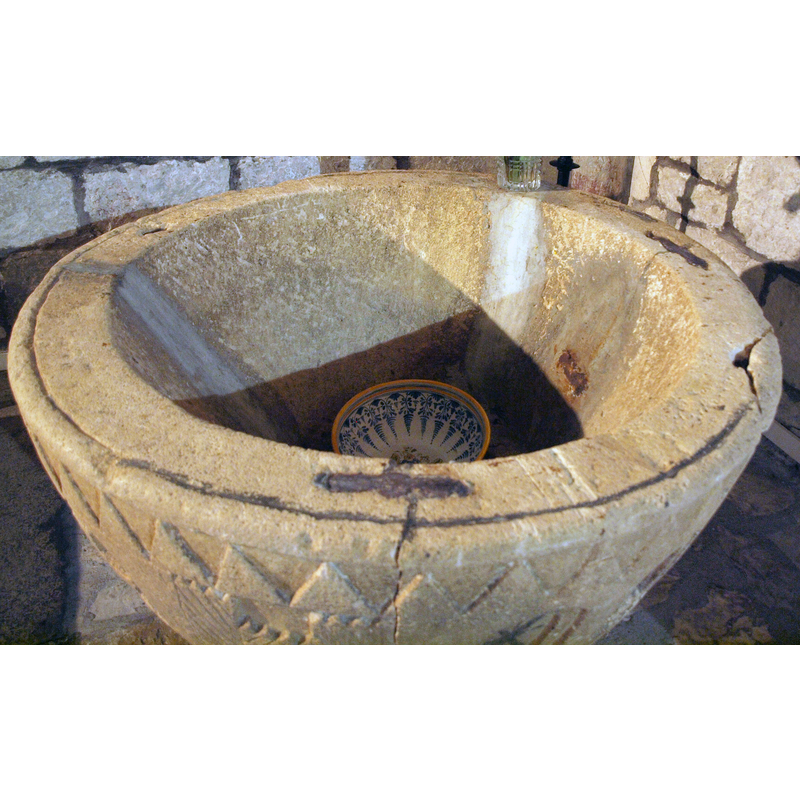
Scene Description: the image shows the extent of the damage and repairs
Copyright Statement: Image copyright © Mikel Unanue, 2016
Image Source: digital photograph taken 20 June 2016 by Mikel Unanue
Copyright Instructions: Image and permission received (email of 28 June 2016)
view of church exterior - southwest view
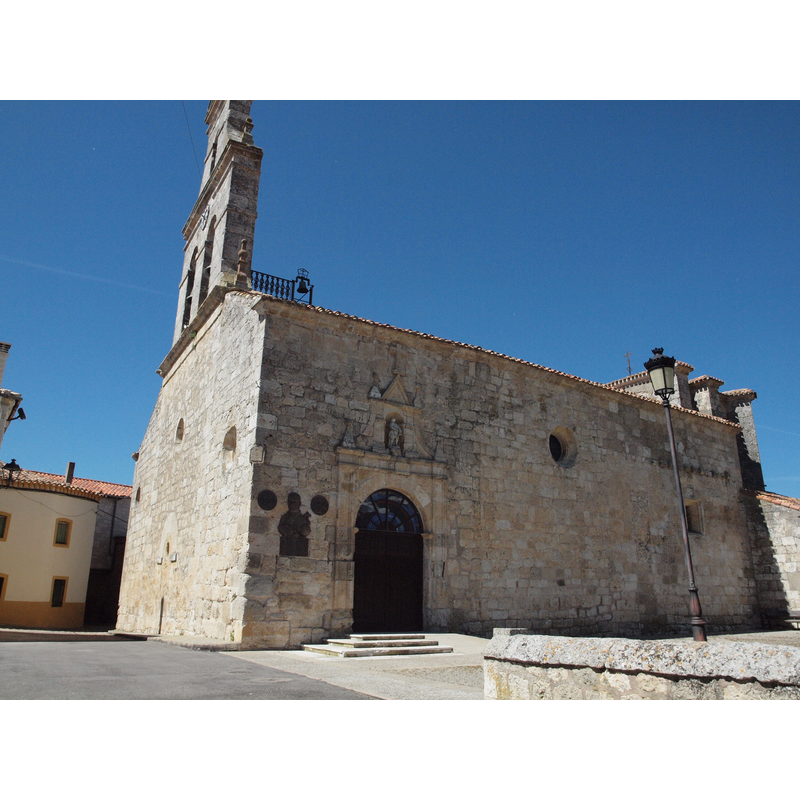
Copyright Statement: Image copyright © Mikel Unanue, 2016
Image Source: digital photograph taken 20 June 2016 by Mikel Unanue
Copyright Instructions: Image and permission received (email of 28 June 2016)
view of church exterior - west façade
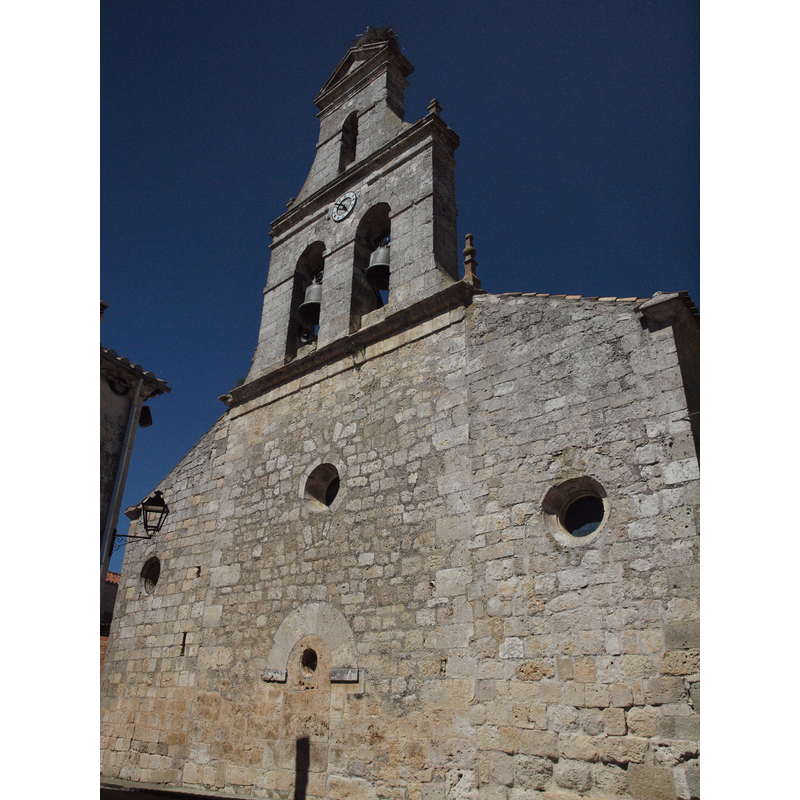
Copyright Statement: Image copyright © Mikel Unanue, 2016
Image Source: digital photograph taken 20 June 2016 by Mikel Unanue
Copyright Instructions: Image and permission received (email of 28 June 2016)
view of church exterior in context - west view
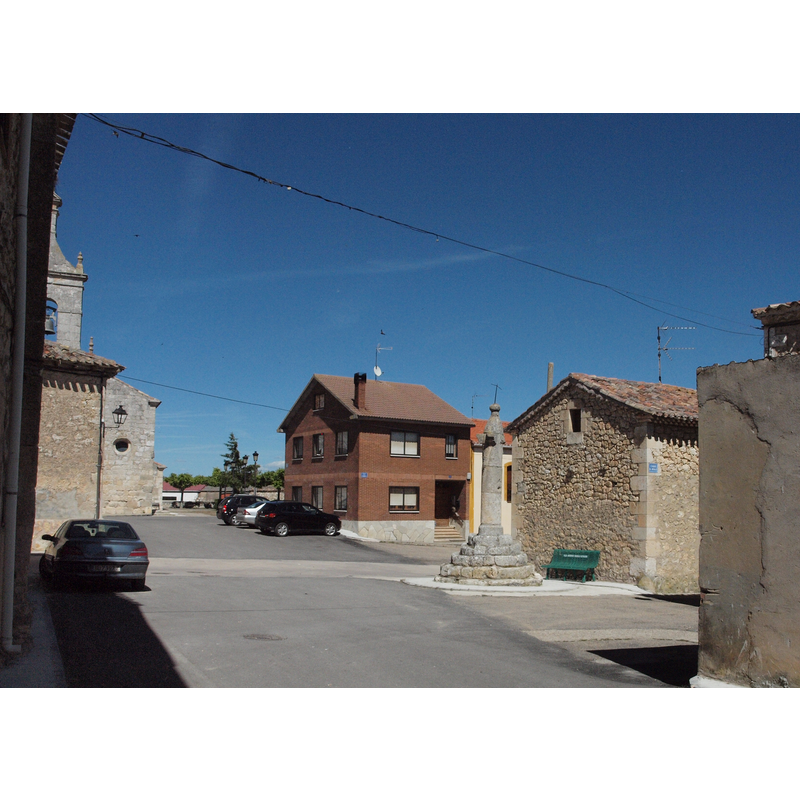
Scene Description: the west side of the church and the town roll
Copyright Statement: Image copyright © Mikel Unanue, 2016
Image Source: digital photograph taken 20 June 2016 by Mikel Unanue
Copyright Instructions: Image and permission received (email of 28 June 2016)
view of font in context
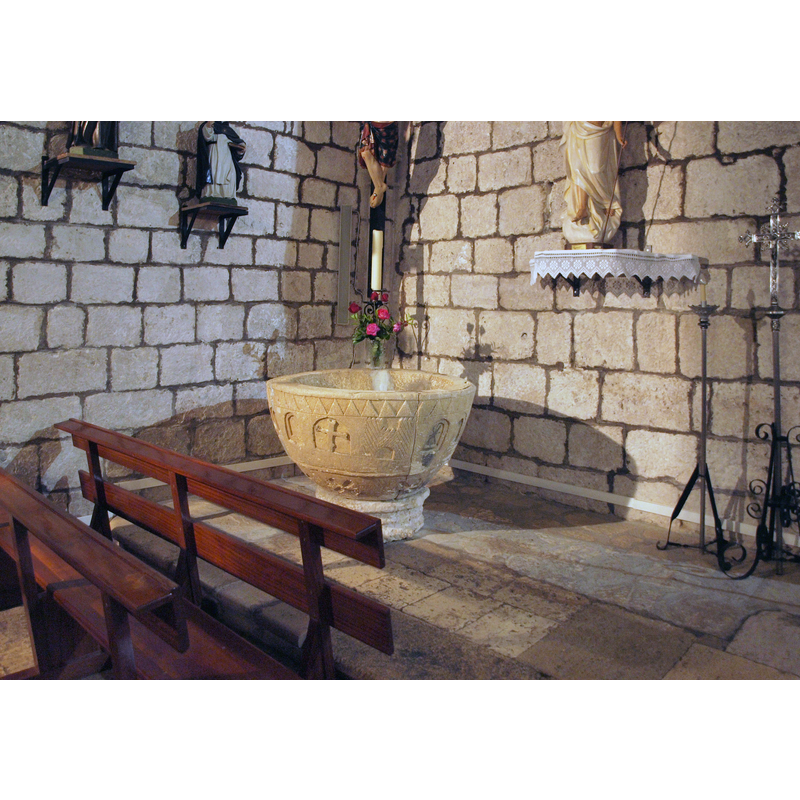
Copyright Statement: Image copyright © Mikel Unanue, 2016
Image Source: digital photograph taken 20 June 2016 by Mikel Unanue
Copyright Instructions: Image and permission received (email of 28 June 2016)
design element - motifs - roll moulding - 3
Scene Description: the middle one is thinner than the other two
Copyright Statement: Image copyright © Mikel Unanue, 2016
Image Source: digital photograph taken 20 June 2016 by Mikel Unanue
Copyright Instructions: Image and permission received (email of 28 June 2016)
INFORMATION
Font ID: 00558CIL
Object Type: Baptismal Font1
Date Visited: 1999-06-07
Font Century and Period/Style: 13th century (early?), Late Romanesque / Early Gothic?
Church / Chapel Name: Iglesia Parroquial de San Juan Bautista
Font Location in Church: Inside the church, at the E end, N side, near the altar [formerly at the W end]
Church Patron Saint(s): St. John the Baptist
Church Address: c/ La Iglesia 1, 09349 Cilleruelo de Abajo, Burgos, Spain
Site Location: Burgos, Castilla y León, Spain, Europe
Directions to Site: Located W of the E5 [aka Autovia del Norte Madrid-Burgos], 17 km S of Lerma, 55 km S of Burgos capital
Ecclesiastic Region: Diócesis de Burgos
Historical Region: Comarca de Arlanza
Additional Comments: moved font (now at the E end of the nave) / damaged font (cracked, defaced with graffitti)
Font Notes:
Click to view
Described in Bilbao (1996) as a baptismal font of the Romanesque period; the upper part of the basin side has a band of zig-zag motif; below it, there is an arcade of twelve arches that is preceded by a fortification; under one of the arches, a consecration cross; the underbowl has eight flowers inside circles; crude base. Noted and illustrated in Valle Barreda (2009). The entry for this church in the Enciclopedia del románico [https://www.romanicodigital.com/sites/default/files/pdfs/files/burgos_CILLERUELO_DE_ABAJO.pdf] [accessed 19 March 2023] reports and illustrates a vaptismal font executed probably in the early-13th century: "El único testimonio románico conservado en su iglesia parroquial es la pila bautismal que se conserva en su interior (122 cm de diámetro × 89 cm de altura). Está formada por una basa con dos boceles y una mediacaña sobre la que apoya una copa decorada con diferentes motivos distribuidos en tres registros: cruces patadas dentro de círculos en el inferior, un castillo de dos torres y varios arcos, uno de los cuales alberga una cruz, en el registro intermedio, y una cenefa de dientes de sierra seguido de un bocel, en el superior. La labra es muy tosca y la cronología parece tardía, probablemente de comienzos del siglo XIII." The entry for this village in Emiliano Nebreda Perdiguero [www.archiburgos.es/wp-content/uploads/amo-a-mi-pueblo.pdf] [accessed March 2023] mentions a Romanesque font in its church: "La pila es románica, con arquitos, dientes de sierra, murallas y cruces patadas". On-site notes: the "arches" described in Bilbao are really windows, all blind except one ornamented with a processional cross [these windows may well have been filled with painted motifs originally]; the fortress carving is not inscribed. The upper rim has hinges evident in it. The basin is in rather poor shape: it is cracked trough vertically and there is grafitti on it. The windows on the basin are not aligned horizontally, which gives the carving an odd perspective [cf. Image area]. The underbowl is ornamented with inscribed motifs, but they are not floral as Bilbao claims, but inscribed Malta crosses [cf. Image area]. The squat base is ornamented with three roll mouldings. The font is not in its original position; local information claims the vertical crack on the side came about when the font was moved to the east end of the nave, its present location.
Credit and Acknowledgements: We are grateful to Mikel Unanue for his additional information on, and photographs of this church and font
COORDINATES
UTM: 30T 434083 4637253
Latitude & Longitude (Decimal): 41.88446, -3.79449
Latitude & Longitude (DMS): 41° 53′ 4.06″ N, 3° 47′ 40.16″ W
MEDIUM AND MEASUREMENTS
Material: stone, type unknown
Number of Pieces: two (bowl and base)
Font Shape: hemispheric, mounted
Basin Interior Shape: round
Basin Exterior Shape: round
Drainage System: centre hole in basin
Drainage Notes: no lining
Rim Thickness: 14 cm*
Diameter (inside rim): 95 cm*
Diameter (includes rim): 122 cm* / ***
Basin Depth: 45 cm*
Basin Total Height: 65 cm*
Height of Base: 23 cm*
Font Height (less Plinth): 88 cm* / 89 cm** / ***
Notes on Measurements: *BSI on-site / * Bilbao (1996: 276) / *** Enciclopedia del románico
LID INFORMATION
Notes: [cf. FontNotes]
REFERENCES
- Bilbao López, Garbiñe, Iconografía de las pilas bautismales del románico castellano: Burgos y Palencia, Burgos: Editorial La Olmeda, S.L., 1996, p. 62 fn44, 74-75, 276
- Valle Barreda, César del, Todo el románico de Burgos, Aguilar de Campoo: Fundación Santa María la Real, 2009, p. 559