Aoiz / Agoitz / Ahoiz / Aoitz / Aoyc / Aoytz / Aoyz / Haoiç
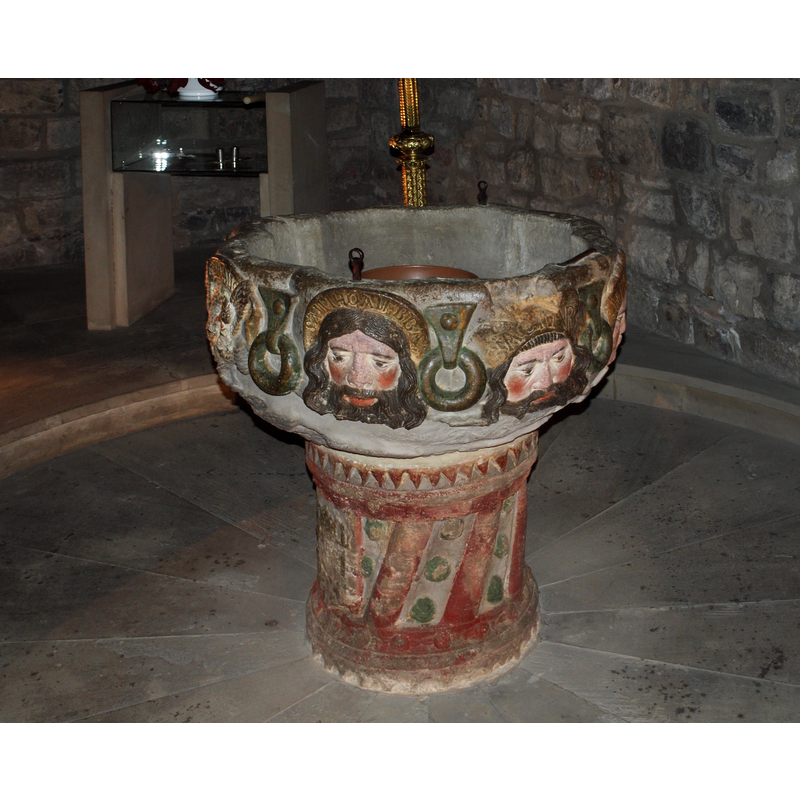
Image copyright © MIkel Unanue, 2014
Image and permission received from the author (e-mail of 10 August 2014)
Results: 31 records
B01: Apostle or saint - St. John the Baptist
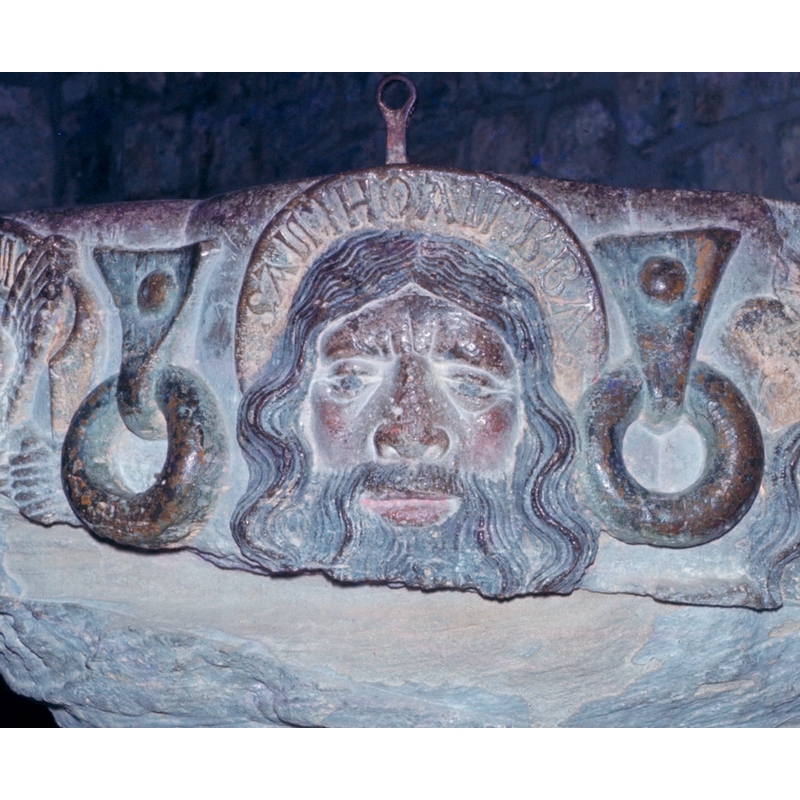
Copyright Statement: Image copyright © Institución Príncipe de Viana, 2003
Image Source: Institución Príncipe de Viana and to the photographers Larrión & Pimoulier Pamplona, Spain)
Copyright Instructions: Image and permission received (file letter of June 2001)
B02: Old Testament - prophets - Zacharias
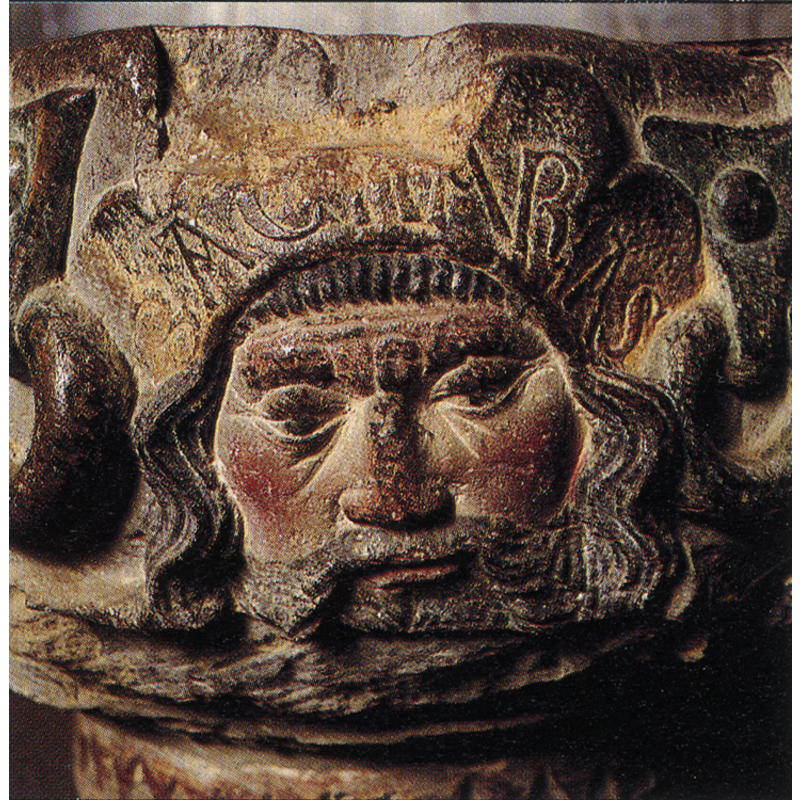
Copyright Statement: Image copyright © Institución Príncipe de Viana, 2003
Image Source: Institución Príncipe de Viana and to the photographers Larrión & Pimoulier Pamplona, Spain)
Copyright Instructions: Image and permission received (file letter of June 2001)
B03: Old Testament - story of Elijah (Elias)
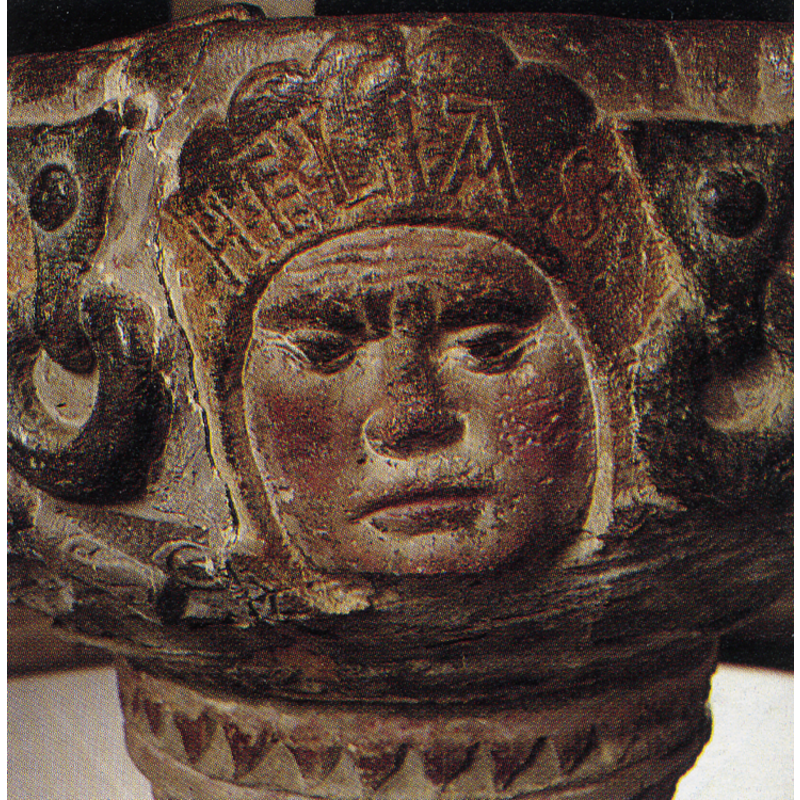
Copyright Statement: Image copyright © Institución Príncipe de Viana, 2003
Image Source: Institución Príncipe de Viana and to the photographers Larrión & Pimoulier Pamplona, Spain)
Copyright Instructions: Image and permission received (file letter of June 2001)
B04: Old Testament - the book of Jonah - Jonah in the fish's belly (Jonah 2:1 - 3:2)
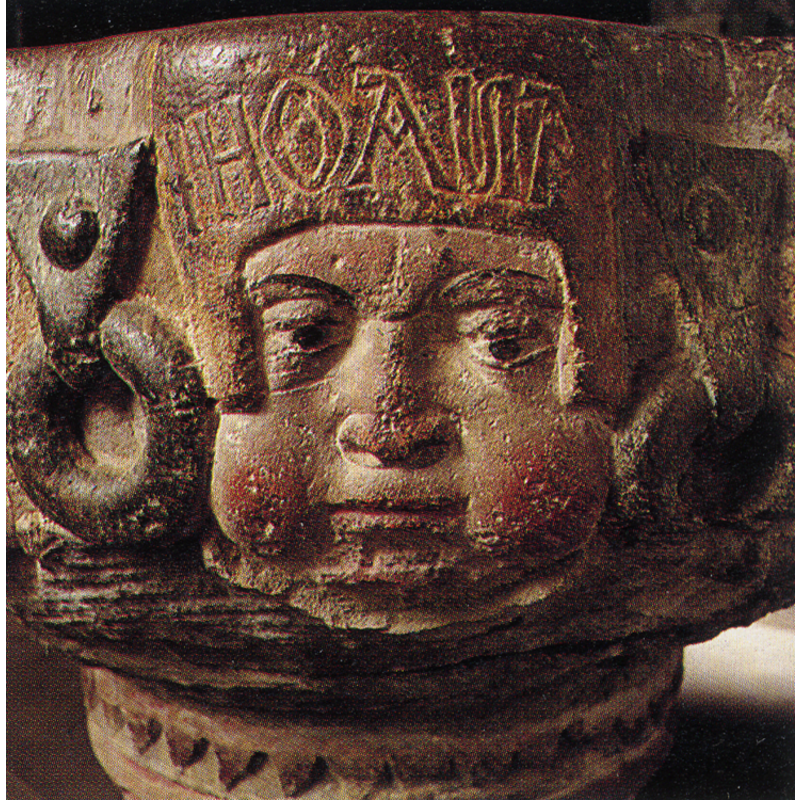
Copyright Statement: Image copyright © Institución Príncipe de Viana, 2003
Image Source: Institución Príncipe de Viana and to the photographers Larrión & Pimoulier Pamplona, Spain)
Copyright Instructions: Image and permission received (file letter of June 2001)
B05: Old Testament - the story of the prophet Daniel - Daniel's punishment and liberation: Daniel in the lion's den
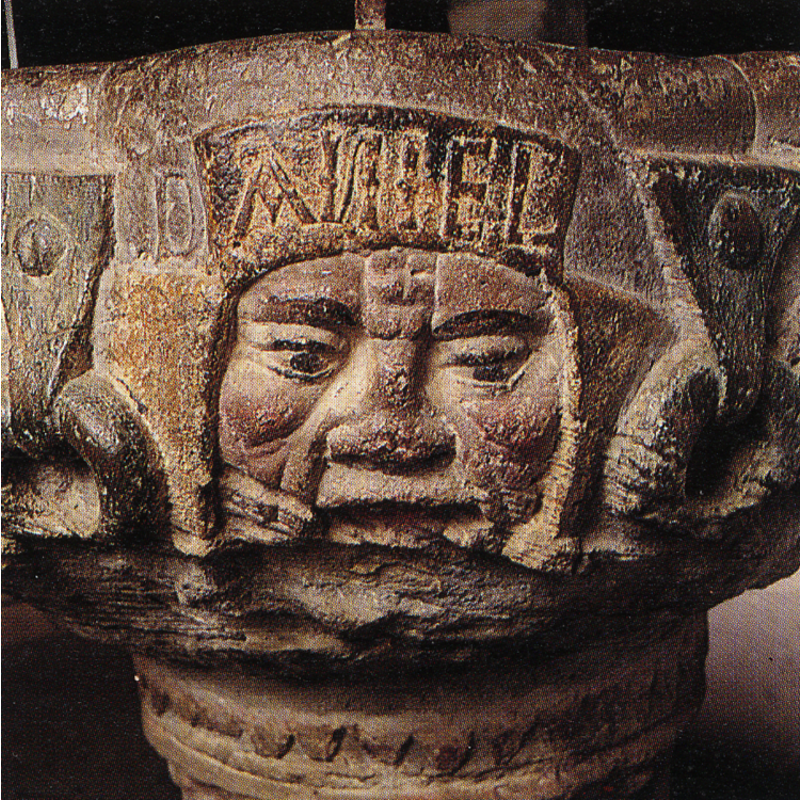
Copyright Statement: Image copyright © Institución Príncipe de Viana, 2003
Image Source: Institución Príncipe de Viana and to the photographers Larrión & Pimoulier Pamplona, Spain)
Copyright Instructions: Image and permission received (file letter of June 2001)
B06: Old Testament - the book of Jeremiah - Jeremiah
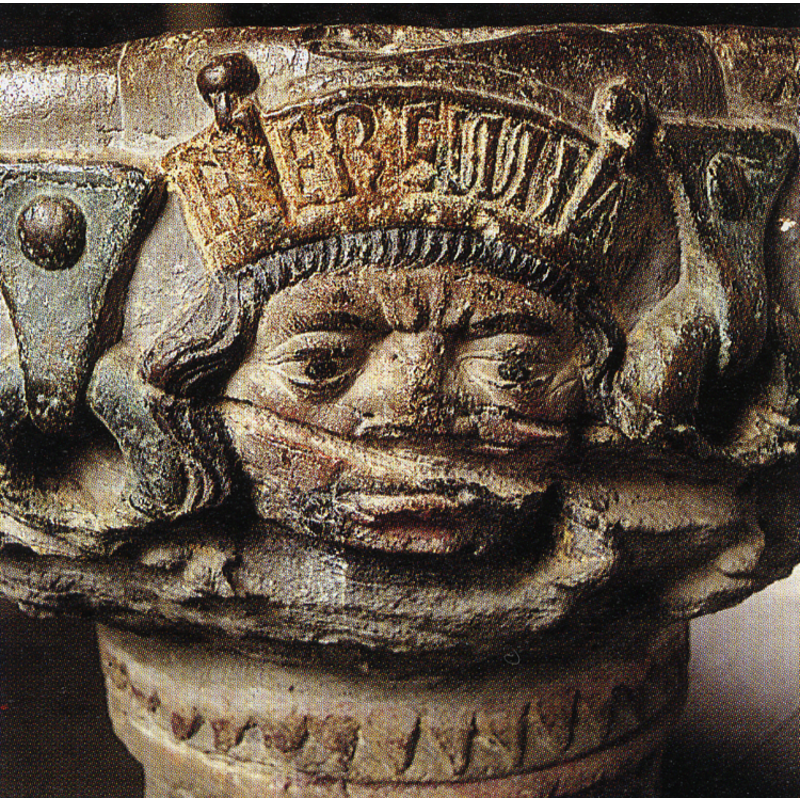
Copyright Statement: Image copyright © Institución Príncipe de Viana, 2003
Image Source: Institución Príncipe de Viana and to the photographers Larrión & Pimoulier Pamplona, Spain)
Copyright Instructions: Image and permission received (file letter of June 2001)
B07: Old Testament - the book of Isaiah - Isaiah
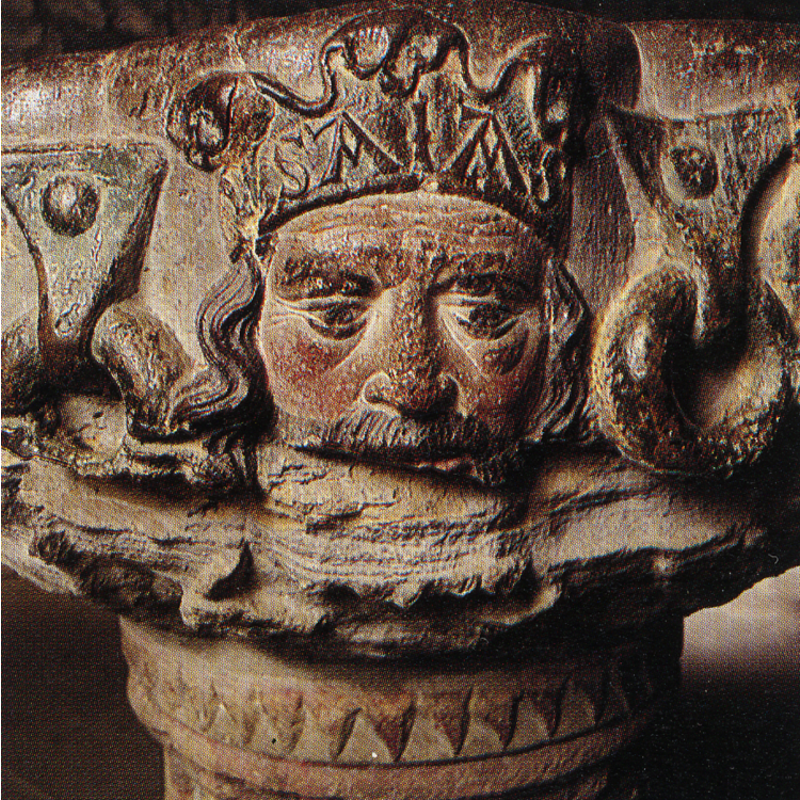
Copyright Statement: Image copyright © Institución Príncipe de Viana, 2003
Image Source: Institución Príncipe de Viana and to the photographers Larrión & Pimoulier Pamplona, Spain)
Copyright Instructions: Image and permission received (file letter of June 2001)
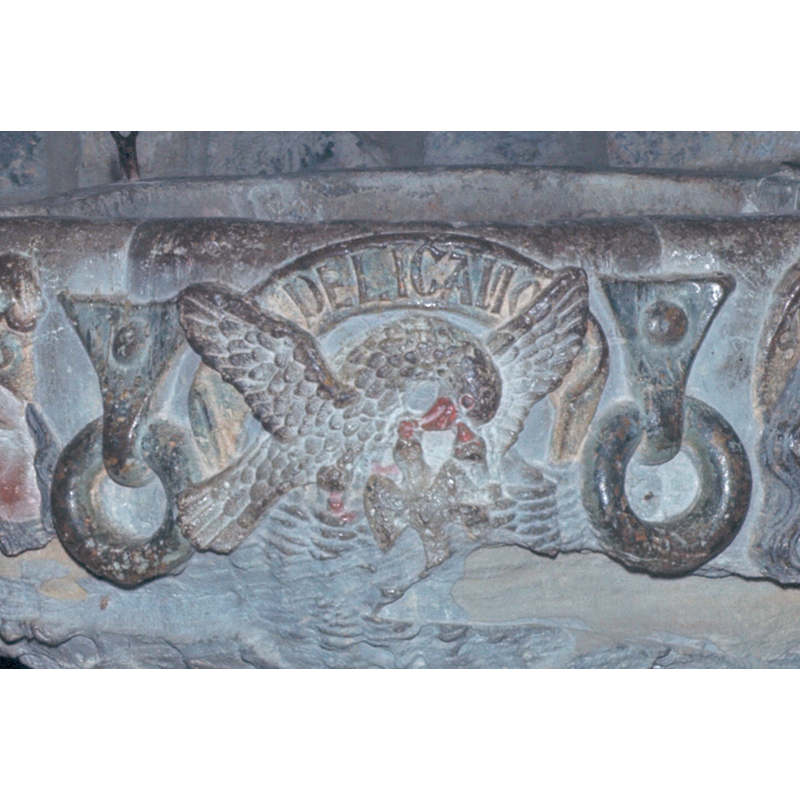
B08: animal - bird - pelican - plucking its breast - feeding its young
Copyright Statement: Image copyright © Institución Príncipe de Viana, 2003
Image Source: Institución Príncipe de Viana and to the photographers Larrión & Pimoulier Pamplona, Spain)
Copyright Instructions: Image and permission received (file letter of June 2001)
view of font
Copyright Statement: Image copyright © MIkel Unanue, 2014
Image Source: digital photograph taken 24 May 2014 by Mikel Unanue
Copyright Instructions: Image and permission received from the author (e-mail of 10 August 2014)
view of font
Copyright Statement: Image copyright © MIkel Unanue, 2014
Image Source: digital photograph taken 24 May 2014 by Mikel Unanue
Copyright Instructions: Image and permission received from the author (e-mail of 10 August 2014)
view of font
Copyright Statement: Image copyright © MIkel Unanue, 2014
Image Source: digital photograph taken 24 May 2014 by Mikel Unanue
Copyright Instructions: Image and permission received from the author (e-mail of 10 August 2014)
view of font
Copyright Statement: Image copyright © MIkel Unanue, 2014
Image Source: digital photograph taken 24 May 2014 by Mikel Unanue
Copyright Instructions: Image and permission received from the author (e-mail of 10 August 2014)
view of font and cover
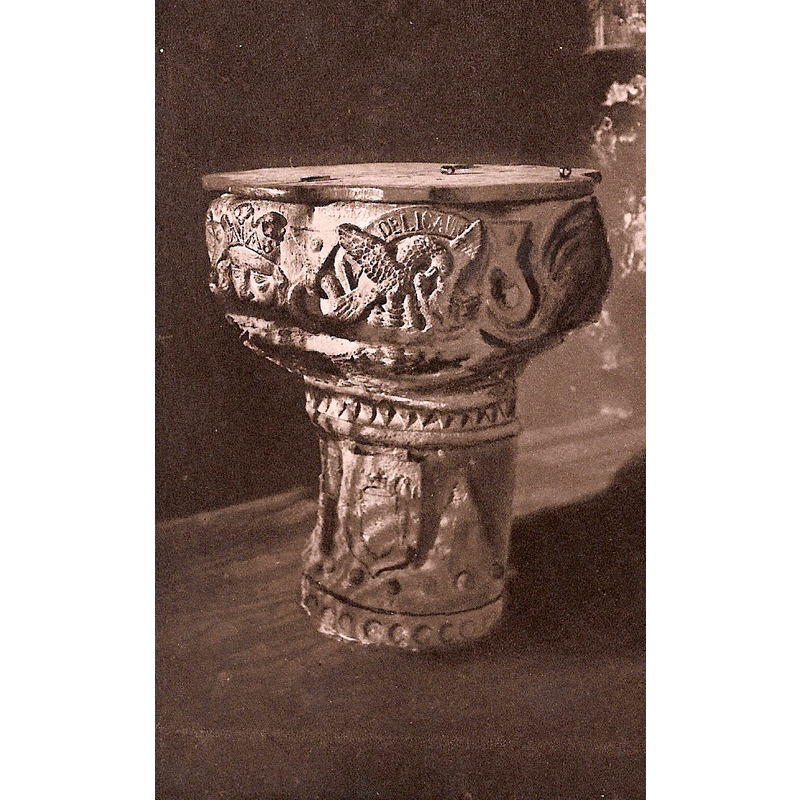
Scene Description: in 1935
Copyright Statement: Image copyright © [in the public domain]
Image Source: 1935 photograph in the Archivo de Salva G. [http://aoiz.bilaketa.com/archivo/] [accessed 12 October 2014]
Copyright Instructions: Assumed PD
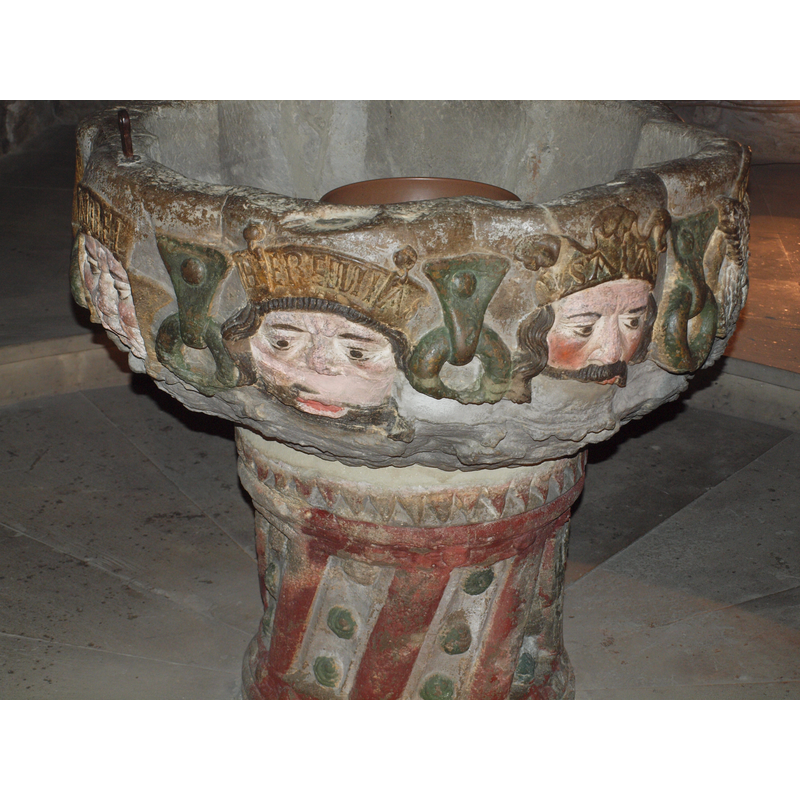
view of basin - detail
Copyright Statement: Image copyright © MIkel Unanue, 2014
Image Source: digital photograph taken 24 May 2014 by Mikel Unanue
Copyright Instructions: Image and permission received from the author (e-mail of 10 August 2014)
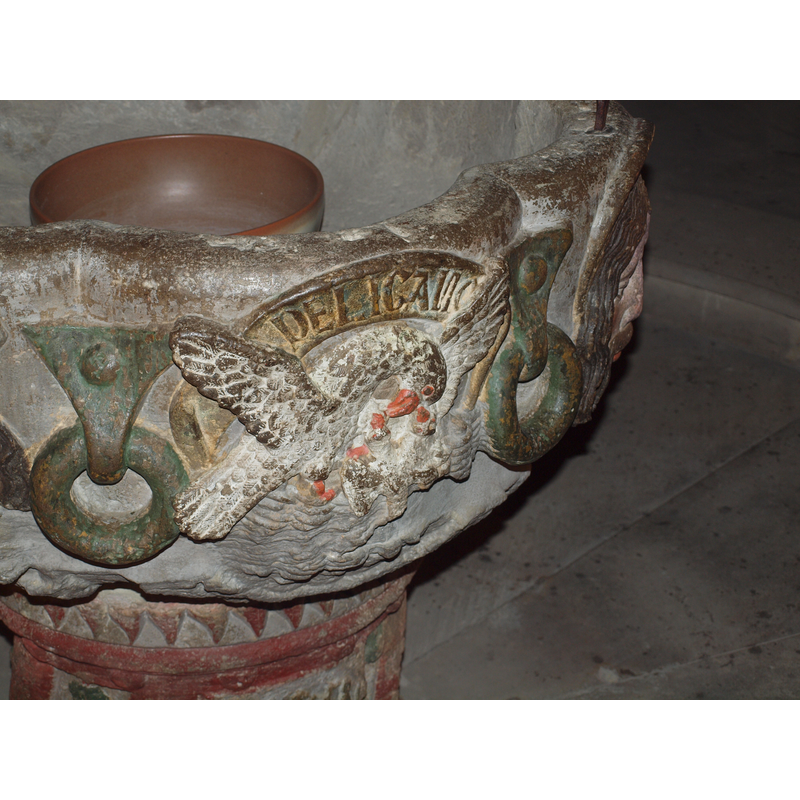
view of basin - detail
Copyright Statement: Image copyright © MIkel Unanue, 2014
Image Source: digital photograph taken 24 May 2014 by Mikel Unanue
Copyright Instructions: Image and permission received from the author (e-mail of 10 August 2014)
view of basin - upper view
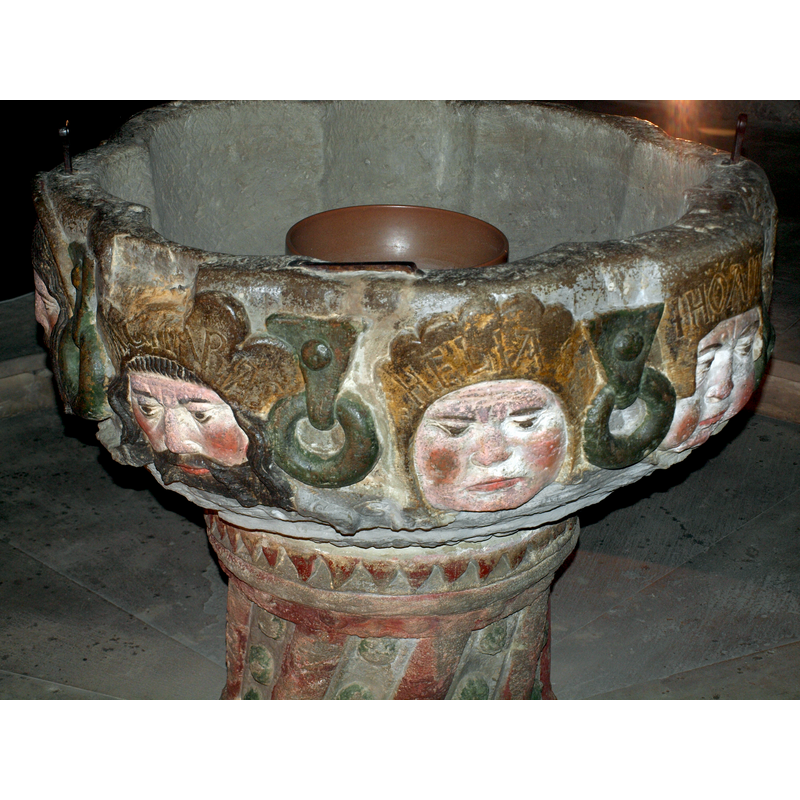
Scene Description: showing the polylobed shape of the inner basin
Copyright Statement: Image copyright © MIkel Unanue, 2014
Image Source: digital photograph taken 24 May 2014 by Mikel Unanue
Copyright Instructions: Image and permission received from the author (e-mail of 10 August 2014)
design element - architectural - ring handle - 8
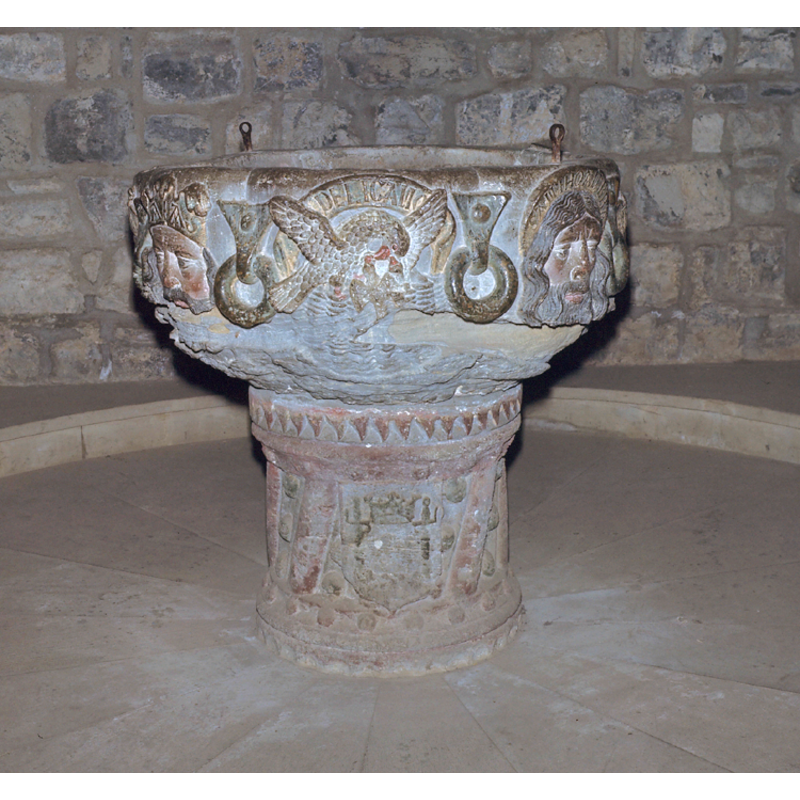
Scene Description: carved in stone between the heads of the prophets
Copyright Statement: Image copyright © Institución Príncipe de Viana, 2003
Image Source: Institución Príncipe de Viana and to the photographers Larrión & Pimoulier Pamplona, Spain)
Copyright Instructions: Image and permission received (file letter of June 2001)
view of church exterior - west portal
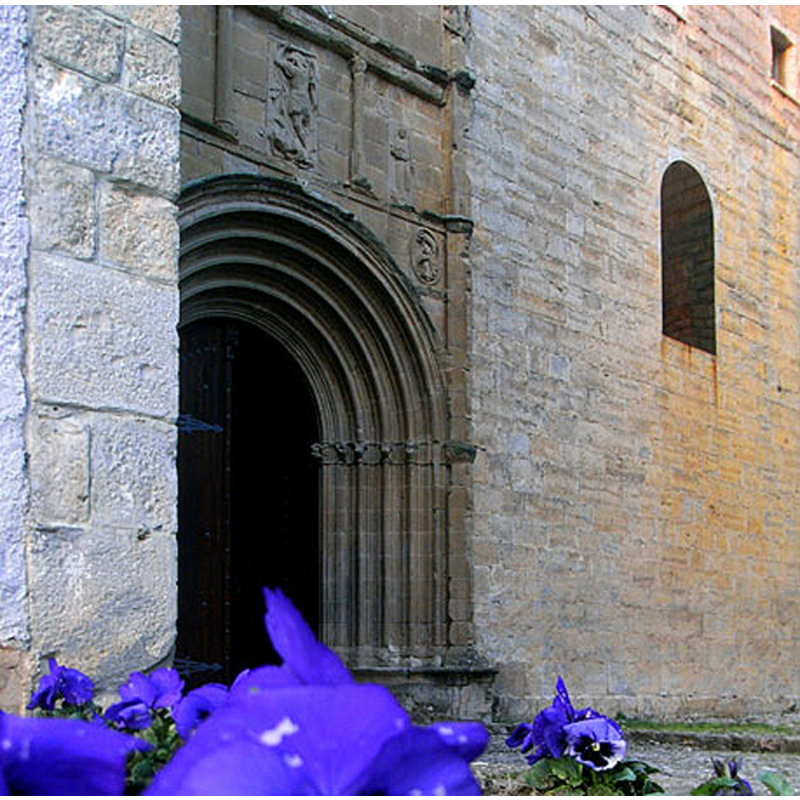
Copyright Statement: Image copyright © Aoiz Bilaketa, 2014
Image Source: digital photograph in Aoiz Bilaketa [http://aoiz.bilaketa.com/fotos_patrimonio/ref01-Iglesia_Portada.jpg] [accessed 12 October 2014]
Copyright Instructions: No known copyright restrictions
view of church exterior - west portal - detail
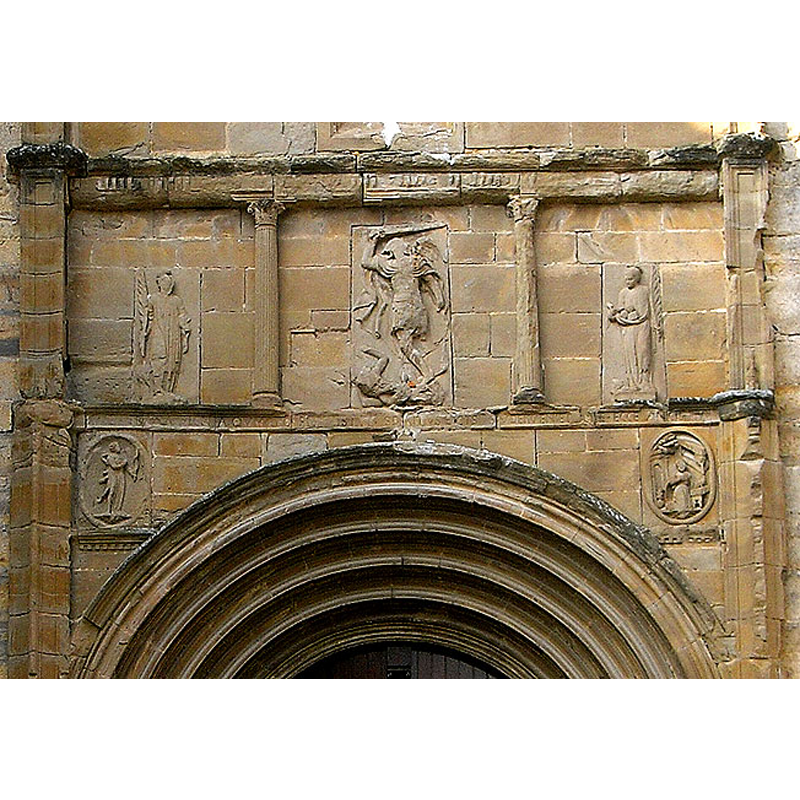
Copyright Statement: Image copyright © Aoiz Bilaketa, 2014
Image Source: digital photograph in Aoiz Bilaketa [http://aoiz.bilaketa.com/fotos_patrimonio/ref01-Iglesia_Detalle_Portada.jpg] [accessed 12 October 2014]
Copyright Instructions: No known copyright restrictions
view of church exterior in context
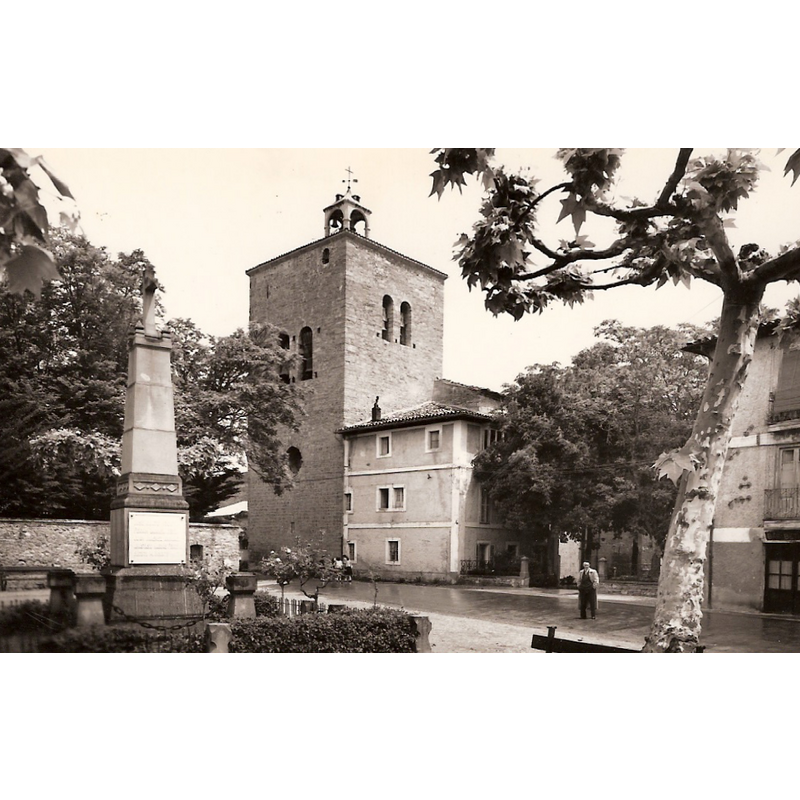
Scene Description: the church in the context of the Plaza de los Mártires, Aoiz
Copyright Statement: Image copyright © [in the public domain]
Image Source: 1943 photograph in the Archivo de Salva G. [http://aoiz.bilaketa.com/archivo/] [accessed 12 October 2014]
Copyright Instructions: Assumed PD
view of church exterior - northwest end
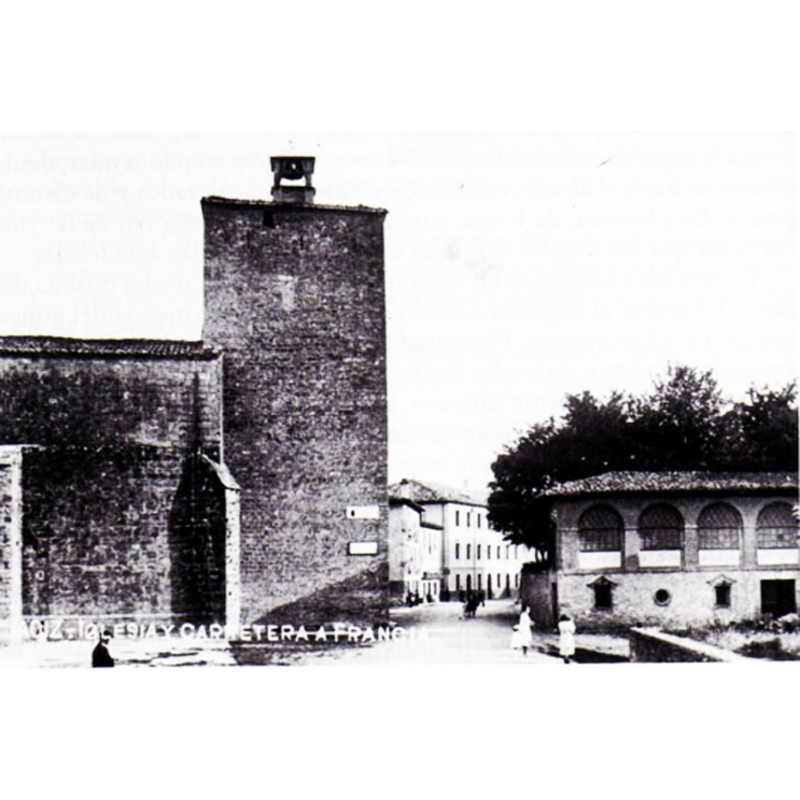
Scene Description: in 1926
Copyright Statement: Image copyright © [in the public domain]
Image Source: 1926 B&W photograph in Aoiz y sus personalidades ilustres [http://aoiz.bilaketa.com/archivo/] [accessed 12 October 2014]
Copyright Instructions: Assumed PD
view of font in context
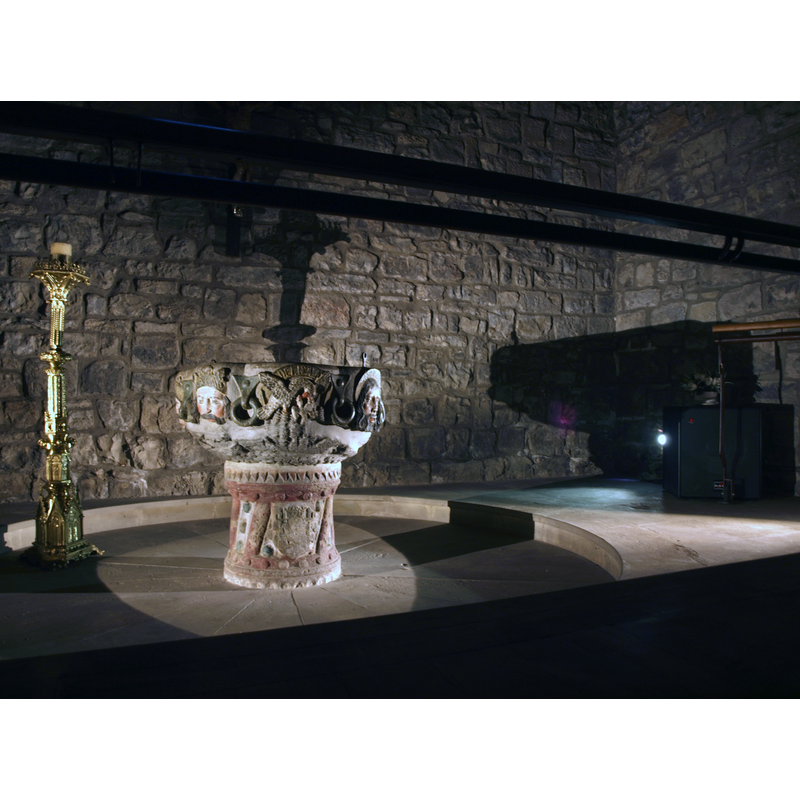
Copyright Statement: Image copyright © MIkel Unanue, 2014
Image Source: digital photograph taken 24 May 2014 by Mikel Unanue
Copyright Instructions: Image and permission received from the author (e-mail of 10 August 2014)
symbol - shield - coat of arms - Aoiz
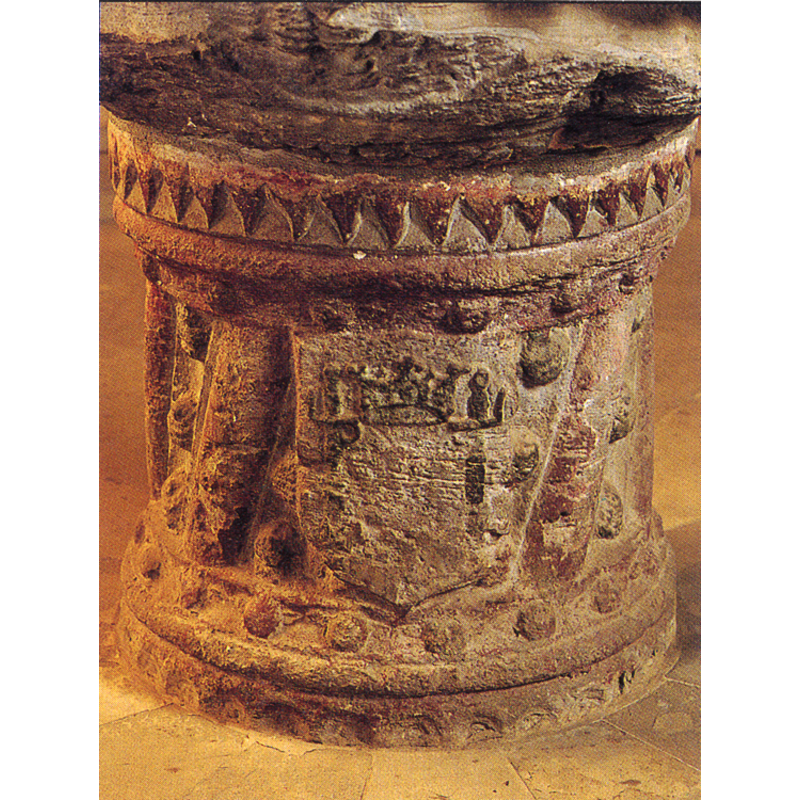
Copyright Statement: Image copyright © Institución Príncipe de Viana, 2003
Image Source: Institución Príncipe de Viana and to the photographers Larrión & Pimoulier Pamplona, Spain)
Copyright Instructions: Image and permission received (file letter of June 2001)
design element - motifs - roll moulding
Copyright Statement: Image copyright © Institución Príncipe de Viana, 2003
Image Source: Institución Príncipe de Viana and to the photographers Larrión & Pimoulier Pamplona, Spain)
Copyright Instructions: Image and permission received (file letter of June 2001)
design element - motifs - ball
Scene Description: a row of
Copyright Statement: Image copyright © Institución Príncipe de Viana, 2003
Image Source: Institución Príncipe de Viana and to the photographers Larrión & Pimoulier Pamplona, Spain)
Copyright Instructions: Image and permission received (file letter of June 2001)
design element - motifs - sawtooth
Scene Description: a band
Copyright Statement: Image copyright © Institución Príncipe de Viana, 2003
Image Source: Institución Príncipe de Viana and to the photographers Larrión & Pimoulier Pamplona, Spain)
Copyright Instructions: Image and permission received (file letter of June 2001)
design element - motifs - moulding or piping - diagonal
Scene Description: a number of them around the base
Copyright Statement: Image copyright © Institución Príncipe de Viana, 2003
Image Source: Institución Príncipe de Viana and to the photographers Larrión & Pimoulier Pamplona, Spain)
Copyright Instructions: Image and permission received (file letter of June 2001)
design element - motifs - ball
Scene Description: a number of them, between the slanted mouldings
Copyright Statement: Image copyright © Institución Príncipe de Viana, 2003
Image Source: Institución Príncipe de Viana and to the photographers Larrión & Pimoulier Pamplona, Spain)
Copyright Instructions: Image and permission received (file letter of June 2001)
design element - architectural - arch-head - round
Scene Description: a row of
Copyright Statement: Image copyright © Institución Príncipe de Viana, 2003
Image Source: Institución Príncipe de Viana and to the photographers Larrión & Pimoulier Pamplona, Spain)
Copyright Instructions: Image and permission received (file letter of June 2001)
design element - motifs - roll moulding
Copyright Statement: Image copyright © Institución Príncipe de Viana, 2003
Image Source: Institución Príncipe de Viana and to the photographers Larrión & Pimoulier Pamplona, Spain)
Copyright Instructions: Image and permission received (file letter of June 2001)
view of font in context

Scene Description: the restoration of the font being carried out in October 2009. The article by Aser Vidondo notes: "La pila ya está lista, y la sillería, para noviembre. La pila es hispanoflamenca del siglo XV, de piedra labrada y policromada. Consta de un vaso lobulado y un pie. La base se habría perdido durante un viaje a una muestra internacional en la que se expuso. Lleva esculpidas varias cabezas en el vaso, y un escudo gótico de la villa en el pie. "Es una pila de mucho valor artístico. Estaba quebrada en algunas partes, y bastante sucia", recuerda el párroco, Antonio Pérez-Mosso. Su restauración duró 15 días, la ejecutó la empresa Sagarte, y ha costado 3.939 euros. Según un informe previo de Sagarte, la pieza había sufrido "deterioros propios de manipulaciones incontroladas", fruto de "varios cambios de ubicación dentro del templo, y traslados a exposiciones internacionales (París, Sevilla...)". El vaso se encontraba "partido en varios fragmentos adheridos con argamasa", y apuntan que "como refuerzo, se añadió una grapa de hierro en el canto". Asimismo, señalan que "ha perdido gran parte del relieve", y que "filtraciones de agua habrían ocasionado disgregación, exfoliaciones y desplacados de material pétreo". Los trabajos se ejecutaron dentro del templo, y han consistido en eliminar morteros, efectuar una limpieza química de la piedra, reintegrar volúmenes y consolidar la piedra, sacando los colores originales. "Ahora está preciosa. Luce", asegura el párroco."
Copyright Statement: Image copyright © Diario de Navarra, 2009
Image Source: B&W photograph in the 31 October 2009 edition of Diario de Navarra [www.diariodenavarra.es/actualidad/20091031/fotos/2009103102275847_640.jpg] [accessed 12 October 2014]
Copyright Instructions: PERMISSION NOT AVAILABLE -- IMAGE NOT FOR PUBLIC USE
INFORMATION
Font ID: 00485AOI
Object Type: Baptismal Font1
Font Century and Period/Style: 15th century (late) (?) [basin only?] [composite font?], Late Medieval
Workshop/Group/Artisan: heraldic font
Cognate Fonts: Similar font themes on the font at Calahorra cathedral (Logroño prov.) The framed heads are also present on the Stoke Abbot font, in the county of Dorset, in England
Church / Chapel Name: Iglesia Parroquial de San Miguel
Font Location in Church: Inside the church, in a chapel, S side
Church Patron Saint(s): St. Michael
Church Notes: original church Romanesque; burned down 14thC; re-built 15th-16thC; added to in 18thC;
Church Address: c/ Santa Agueda, 31430 Aoiz, Navarra, Spain -- Tel.: +34 948 33 60 12
Site Location: Navarra, Comunidad Foral de Navarra, Spain, Europe
Directions to Site: Located off the NA-2356, on the N bank of the Irati river, near Sangüesa, 30 km ENE of Pamplona
Ecclesiastic Region: Diócesis de Pamplona
Historical Region: Merindad de Sangüesa
Additional Comments: altered font? (original base said to be at the Louvre, Paris) / damaged font (restored in 2009) -- disappeared font? (the one from the original Romanesque church here)
Font Notes:
Click to view
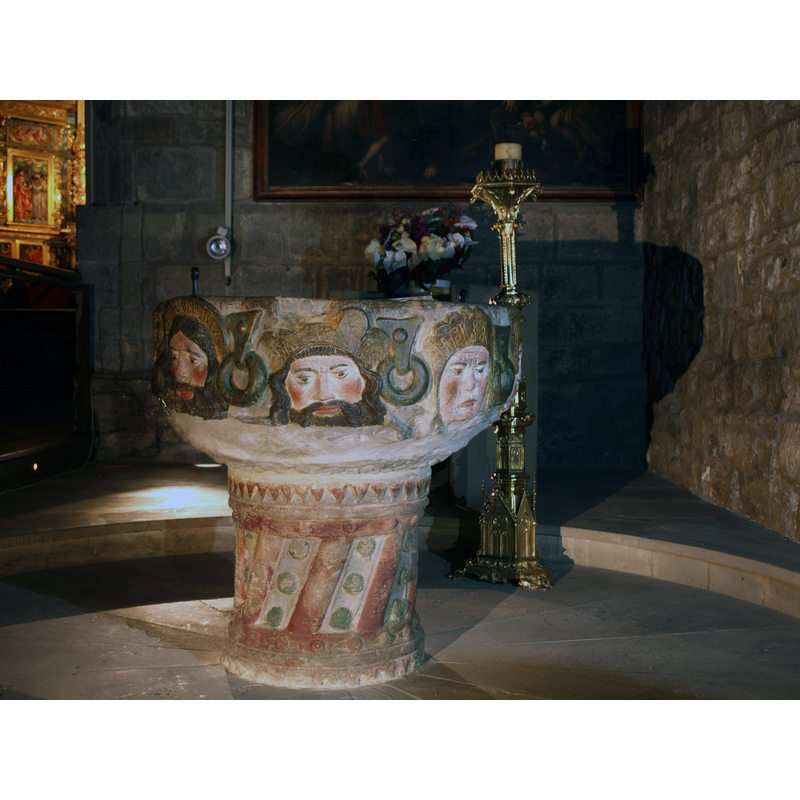
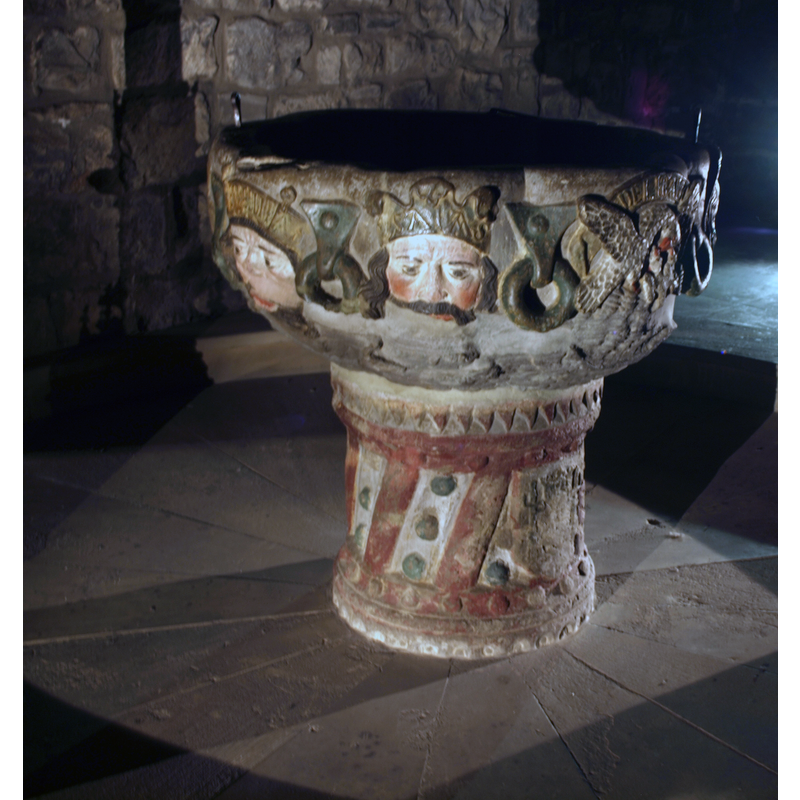
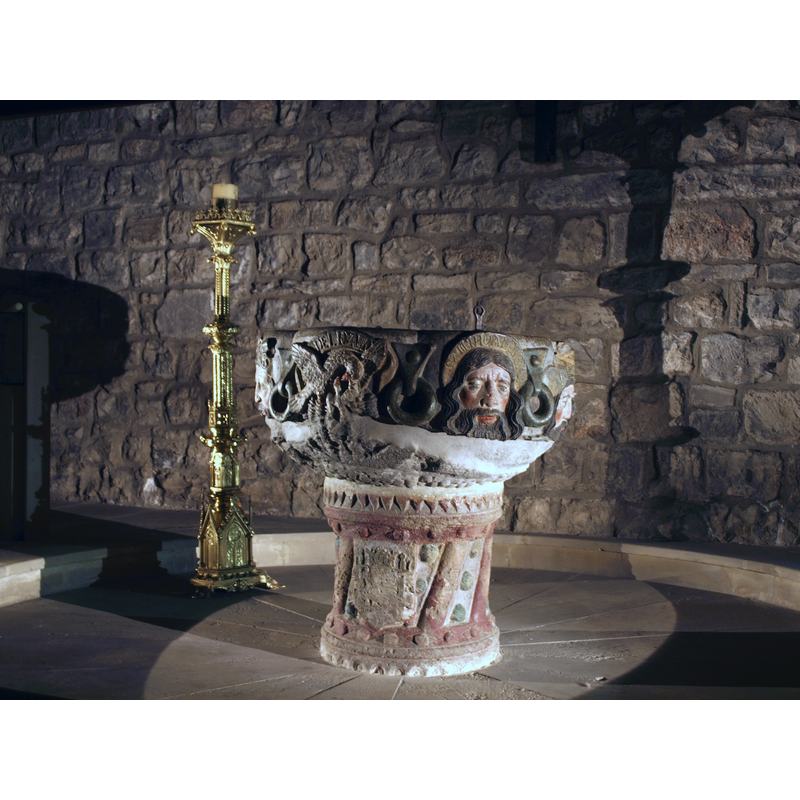
Described and illustrated in Uranga & Iñiguez (1973: vol. 5: 259 and pl. 368), in the Catálogo Monumental de Navarra (1990?- , vol. IV*: 38 and pl. 52) and in Domeño (1992: 100 et al.). The basin is polylobulated, both in and out, with eight lobes; seven of the lobes are ornamented externally with a face: 1)John the Baptist; 2)Zacharias; 3)Elijah; 4)Jonah; 5)Daniel; 6)Jeremiah; 7)Isaiah; the last lobe, 8)has a pelican feeding its young. Each of the Prophets has his name written on the hat or head-piece, while the word "PELICANO" appears on the eighth lobe above the animal. Between the eight images, eight very realistic ring handles have been carved on the stone, imitating metal. The cylindrical base starts at the top with a roll moulding and then a band saw-tooth motif; ther are several slanted roll mouldings, with ball motifs between them, although the front side has a shield with a coat-of-arms which Domeño identifies as the town's own; there is row of ball motif below this, then a roll moulding and finally, at the very bottom, a very squat blind arcade resting directly on the ground. The piece retains the original polychromy. Domeño (ibid.) refers to the Well of Moses work by the Burgundian master Claus Sluter (although the figures are not exactly the same ones), now in the museum at Dijon, as a likely antecedent of this work; she informs that Sluter's work was known in Navarre through one of the collaborators of Jehan Lome, who worked on the sepulchre of Charles III and Leonor of Navarre, now in the central nave of the cathedral of Pamplona. She also refers to the legend of the pelican who feeds his young from the blood from its breast as a symbol of Christ. [NB: see also a similar treatment of font themes on the font at Calahorra cathedral (in nearby Logroño prov.), and the framed heads also present on the Stoke Abbot font, in the county of Dorset, in England; see also the later font at Rumengol / Le Faou, in Bretagne, France, for a certain similarity in the treatment of the ornamentation, and the mid-19th century baptismal font at Wilton, Wiltshire, England, for another font that incorporates the prominent heads and large rings]. Noted in Plazaola Artola (2008?). An article in the 31 October 2009 edition of the Diario de Navarra [https://www.diariodenavarra.es/archivo/actualidad/20091031/otrascomarcas/aoiz-restaura-pila-bautismal-silleria-coro-iglesia.html] [accessed 7 March 2023] informs of the restoration undergone by this font: " Según un informe previo de Sagarte, la pieza había sufrido "deterioros propios de manipulaciones incontroladas", fruto de "varios cambios de ubicación dentro del templo, y traslados a exposiciones internacionales (París, Sevilla...)". El vaso se encontraba "partido en varios fragmentos adheridos con argamasa", y apuntan que "como refuerzo, se añadió una grapa de hierro en el canto". Asimismo, señalan que "ha perdido gran parte del relieve", y que "filtraciones de agua habrían ocasionado disgregación, exfoliaciones y desplacados de material pétreo". Los trabajos se ejecutaron dentro del templo, y han consistido en eliminar morteros, efectuar una limpieza química de la piedra, reintegrar volúmenes y consolidar la piedra, sacando los colores originales." [NB: unconfirmed information relates that the original base may be in the Louvre, in Paris]
Credit and Acknowledgements: We are grateful to the Institución Príncipe de Viana and to the photographers Larrión & Pimoulier, all of Pamplona, Spain, and to Mikel Unanue, for the photographs of this font
COORDINATES
UTM: 30T 4738048 633599
Latitude & Longitude (Decimal): 42.783333, -1.366667
Latitude & Longitude (DMS): 42° 47′ 0″ N, 1° 22′ 0″ W
MEDIUM AND MEASUREMENTS
Material: stone, type unknown
Number of Pieces: two?
Font Shape: polylobed, 8 sides, mounted
Basin Interior Shape: polylobed, 8 sides
Basin Exterior Shape: polylobed, 8 sides
INSCRIPTION
Inscription Language: Latin
Inscription Location: on each of the eight images
Inscription Text: "SAN IHOAN BBA - ZACHARIAS - HELIAS - IHOANAS - DANIEL - IHEREMIAS - ISAIAS - PELICANO"
Inscription Source: Domeño (1992: 101)
LID INFORMATION
Notes: the two metal eyelets of the original font are still in place [NB: the cover in 1935 was flat and plain, with polylobed shape of the basin; appeared modern
REFERENCES
- Gran enciclopedia Navarra (11 vols.), Pamplona: Caja de Ahorros de Navarra, 1990, vol. 1: 353
- Bilbao López, Garbiñe, Simbolismo e Iconografía Bautismal en el Arte medieval Alavés, 1994, p. 56 fn48
- Domeño Martínez de Morentín, Asunción, Pilas bautismales medievales en Navarra, Pamplona: Gobierno de Navarra, 1992, p. 14, 38, 57-58, 67, 100-104, 115, 127, 134 and plates 137-146
- García Gainza, María Concepción, Catálogo monumental de Navarra, Pamplona: Gobierno de Navarra, Arzobispado de Navarra, Universidad de Navarra, [1990?], vol. IV*: 38 and pl. 52
- Malaxecheverría, Ignacio, Bestiario esculpido en Navarra, Pamplona: Gobierno de Navarra, Dpto. de Educación, Cultura y Deporte, 1990, p. 244-245 and ill. on p. 243
- Navallas Rebolé, A., Navarra, guía y mapa, 1986, p. 22
- Plazaola Artola, Juan, "El arte gótico en Euskal Herria", hiru.com [Etengabeko Ikaskuntza], [2008?]
- Uranga Galdiano, José Esteban, Arte medieval navarro, Pamplona: Editorial Aranzadi - Caja de Ahorros de Navarra, 1973, vol. 5: 259 and pl. 368