Ottravad / Otervad / Ottrava
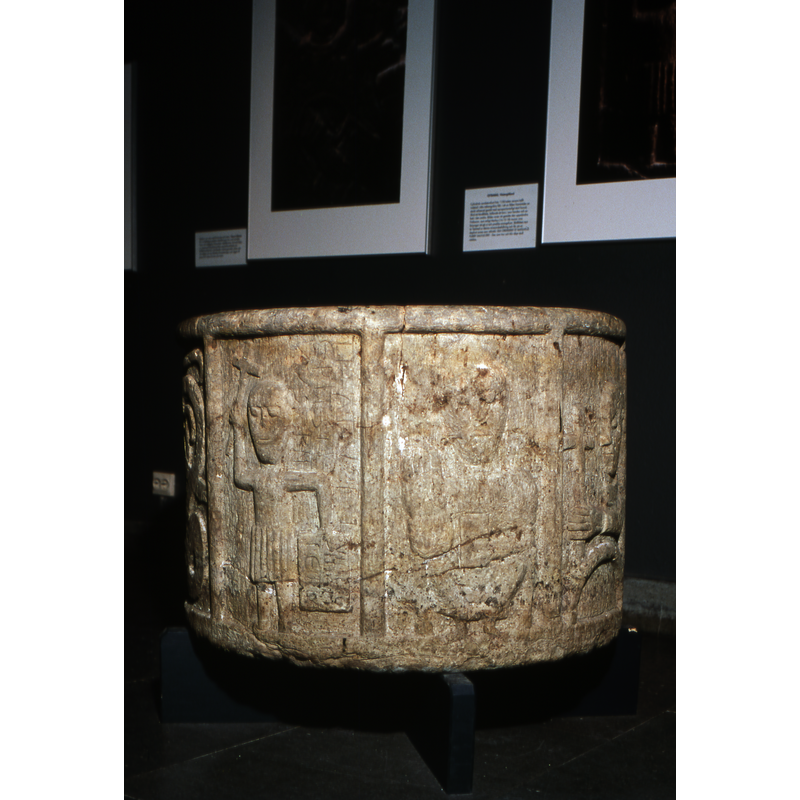
Image copyright © Baptisteria Sacra Index, 2023
CC-BY-NC-ND-4.0
Results: 30 records
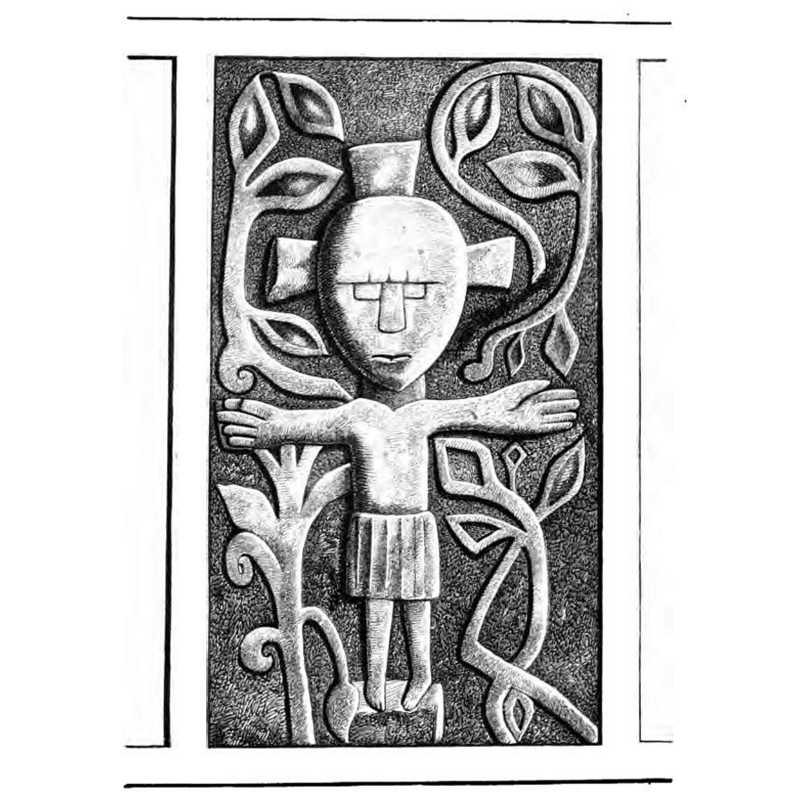
B01: New Testament - Passion of Christ - Crucifixion
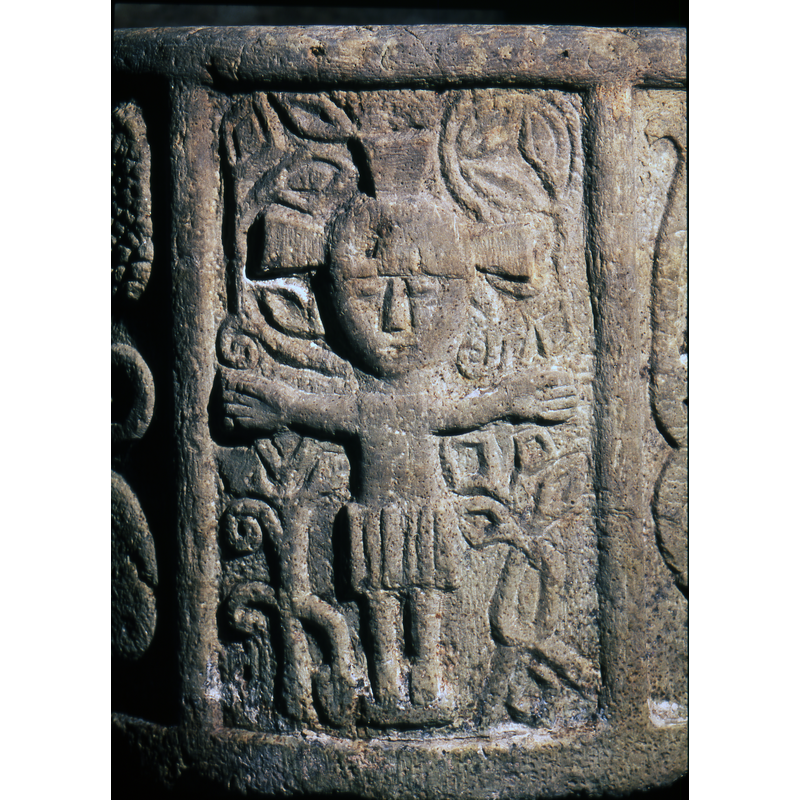
Copyright Statement: Image copyright © Baptisteria Sacra Index, 2023
Image Source: digital image of a photograph taken 16 June 1887 by BSI
Copyright Instructions: CC-BY-NC-ND-4.0
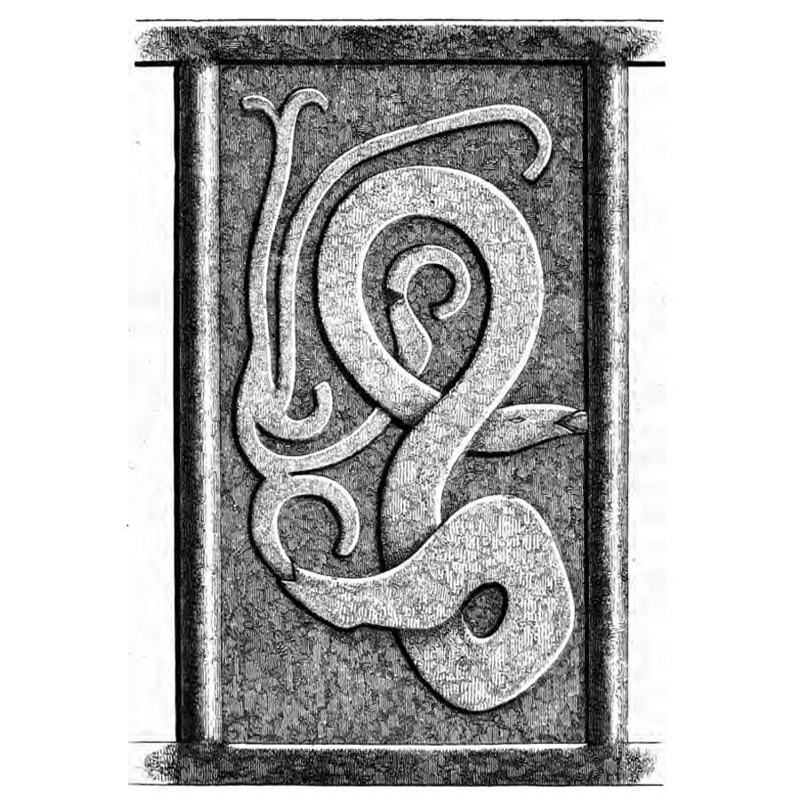
B02: animal - reptile - snake
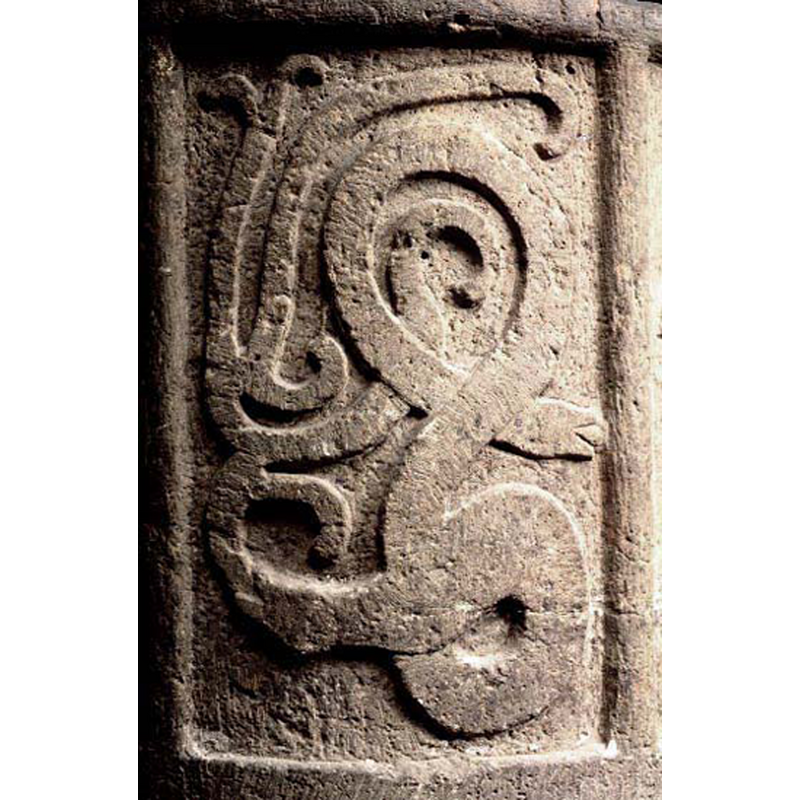
Copyright Statement: Image copyright © Statens Historiska Museum, 2003
Image Source: digital image of a photograph in Medeltidens bildvärld [ref.: 950517F3] [http://medeltidbild.historiska.se/medeltidbild/visa/foremal.asp?objektid=950517F3] [accessed 27 April 2020]
Copyright Instructions: CC-BY-NC-ND-4.0
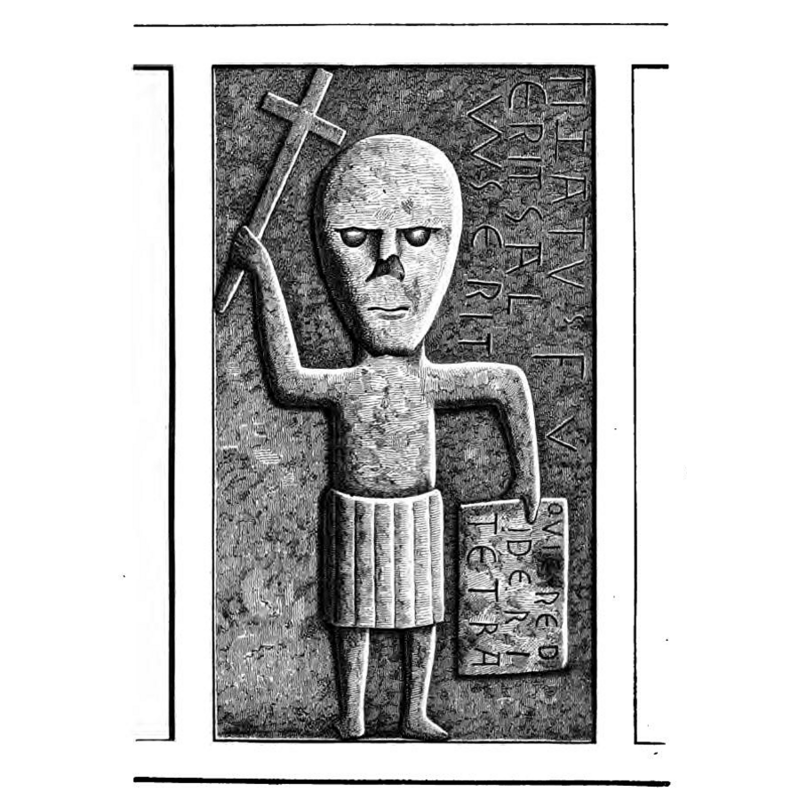
B03: human figure - male - standing - holding cross in right hand - holding book in left hand - inscription
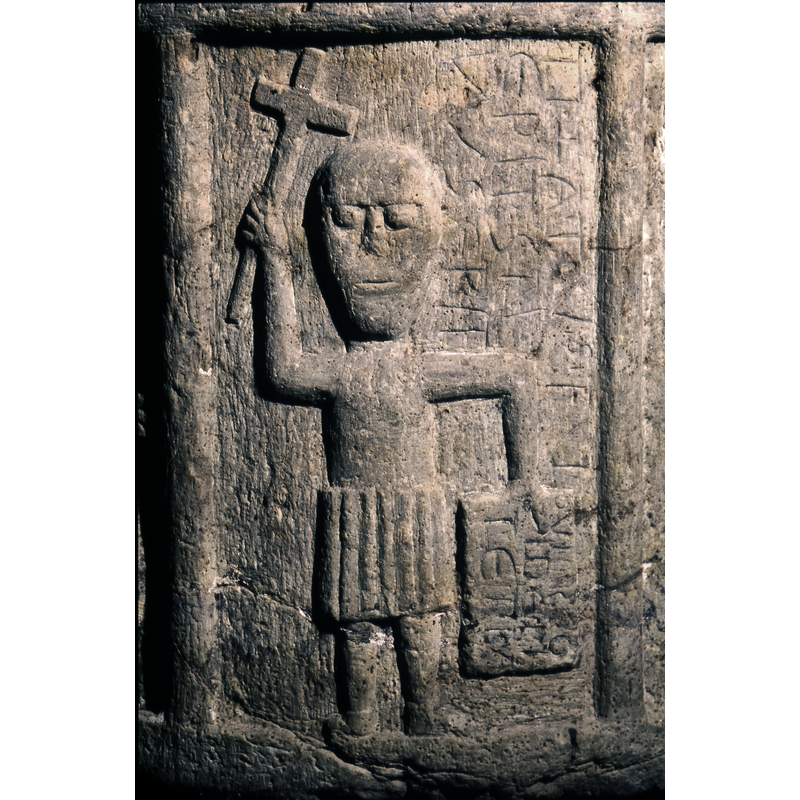
Scene Description: idenfitied as Christ in some sources
Copyright Statement: Image copyright © Baptisteria Sacra Index, 2023
Image Source: digital image of a photograph taken 16 June 1887 by BSI
Copyright Instructions: CC-BY-NC-ND-4.0
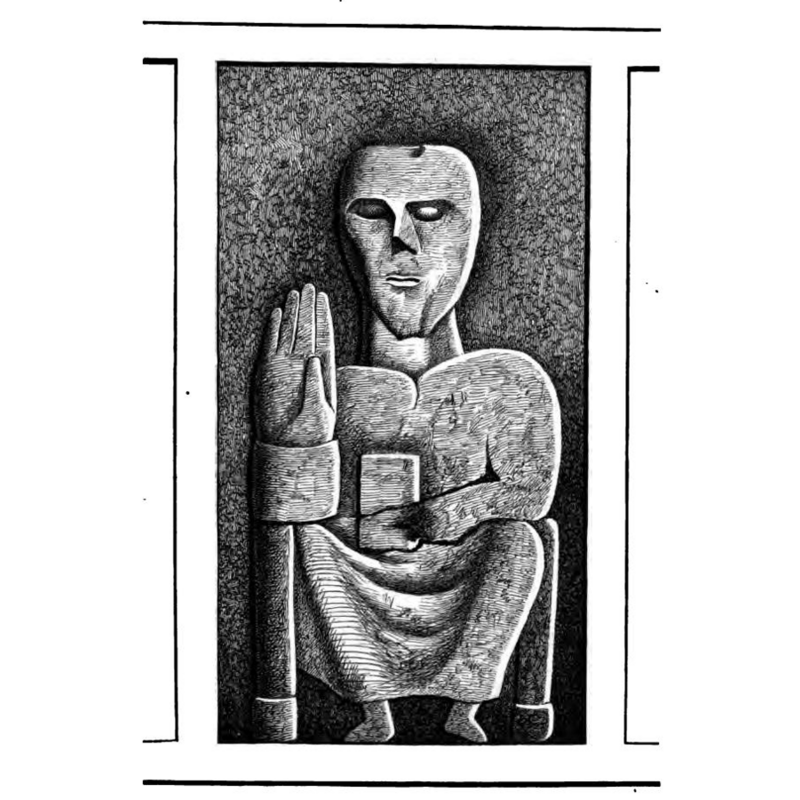
B04: human figure - male - seated - right hand raised - with book in his left hand
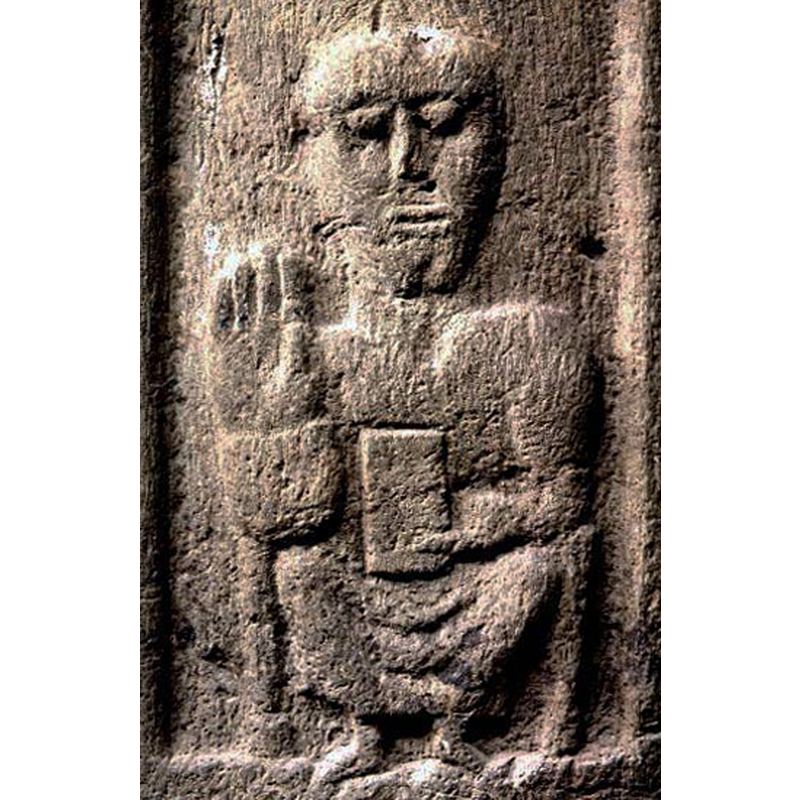
Scene Description: identified in some sources as a cleric (a bishop?)
Copyright Statement: Image copyright © Statens Historiska Museum, 2003
Image Source: digital image of a photograph in Medeltidens bildvärld [ref.: 950517F3] [http://medeltidbild.historiska.se/medeltidbild/visa/foremal.asp?objektid=950517F3] [accessed 27 April 2020]
Copyright Instructions: CC-BY-NC-ND-4.0
B05: human figure - male - in profile - left arm holding cross - semicircle
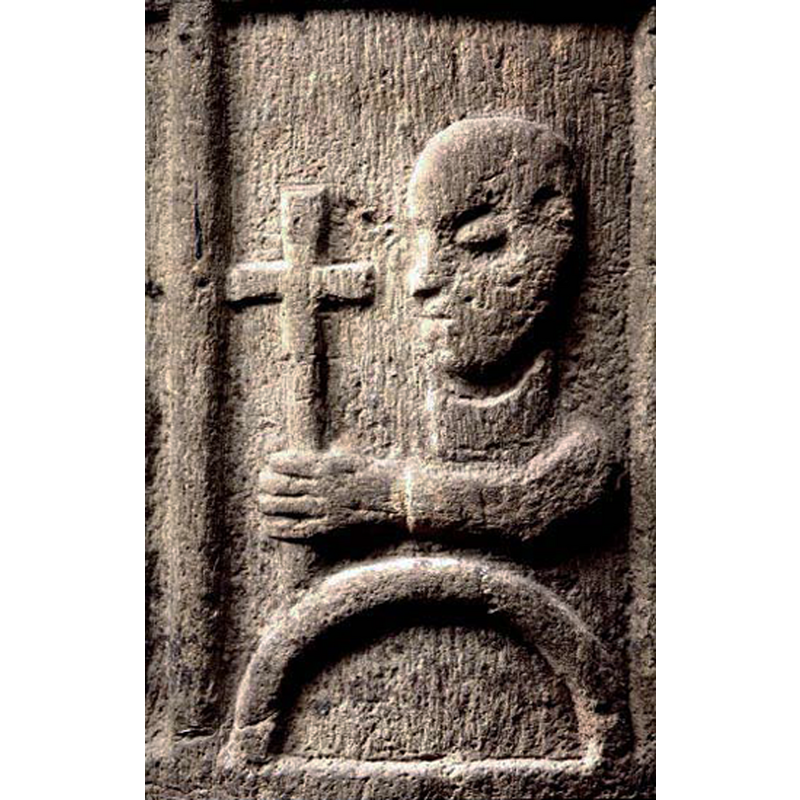
Scene Description: identified in some sources as John the Apostle, a cleric, etc.
Copyright Statement: Image copyright © Statens Historiska Museum, 2003
Image Source: digital image of a photograph in Medeltidens bildvärld [ref.: 950517F3] [http://medeltidbild.historiska.se/medeltidbild/visa/foremal.asp?objektid=950517F3] [accessed 27 April 2020]
Copyright Instructions: CC-BY-NC-ND-4.0
B06: unidentified
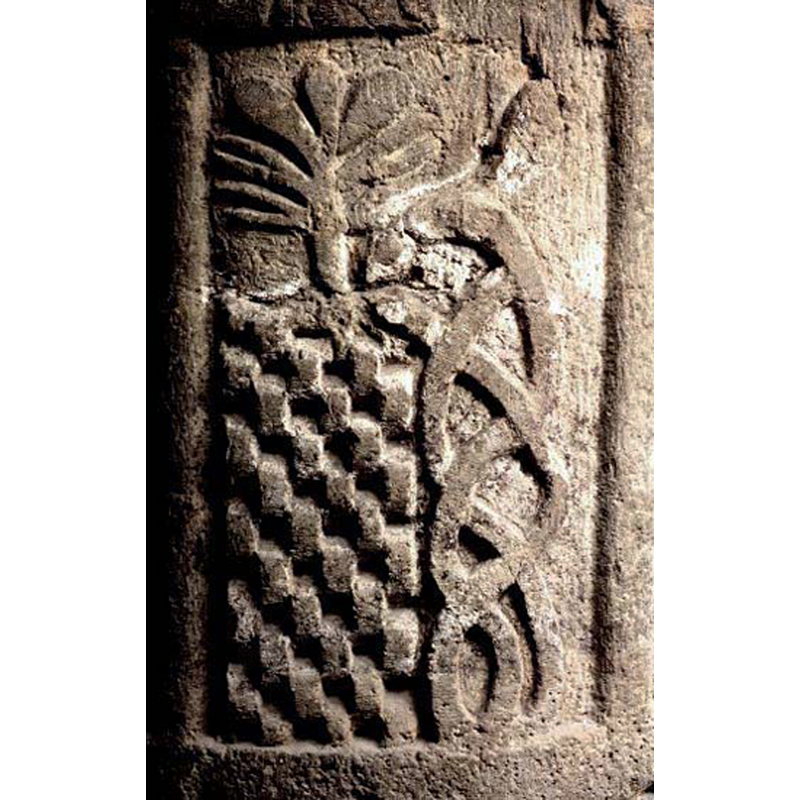
Scene Description: the panel includes a possible pair of intertwiined serpents and a plant or tree on a tall checquered base; identified in one source as the Tree of Life in the Garden of Eden, part of the Fall of Man
Copyright Statement: Image copyright © Statens Historiska Museum, 2003
Image Source: digital image of a photograph in Medeltidens bildvärld [ref.: 950517F3] [http://medeltidbild.historiska.se/medeltidbild/visa/foremal.asp?objektid=950517F3] [accessed 27 April 2020]
Copyright Instructions: CC-BY-NC-ND-4.0
B07: human figure - artisan - sculptor? - with tools (hammer and chisel) - fabulous animal or beast
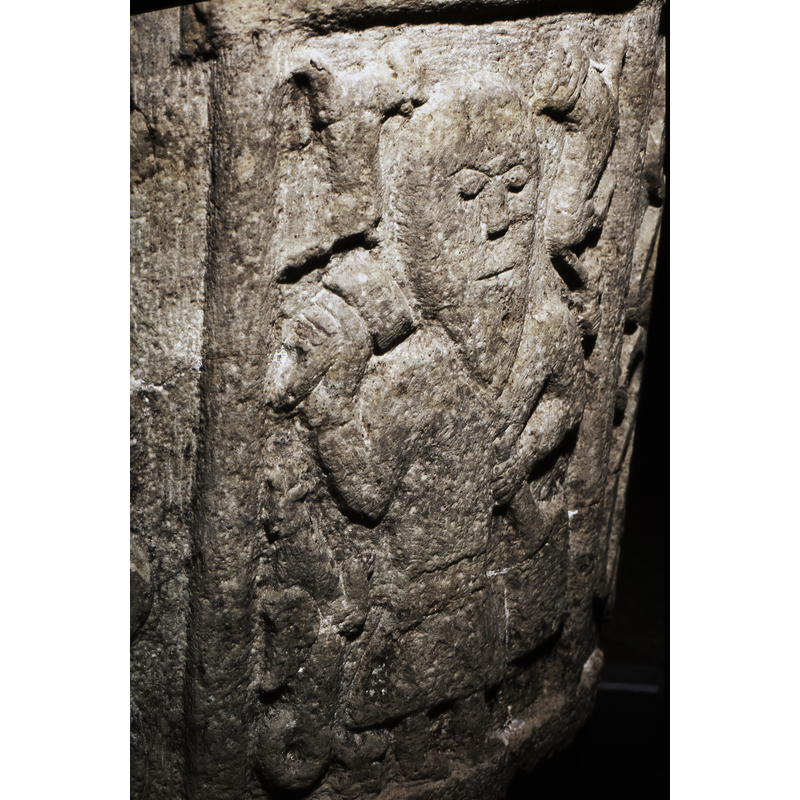
Scene Description: one source has identified this as Thor, but most suggest it represents the artisan who carved the font
Copyright Statement: Image copyright © Baptisteria Sacra Index, 2023
Image Source: digital image of a photograph taken 16 June 1887 by BSI
Copyright Instructions: CC-BY-NC-ND-4.0
B08: design element - motifs - vine - acanthus - with arum bunches - human head?
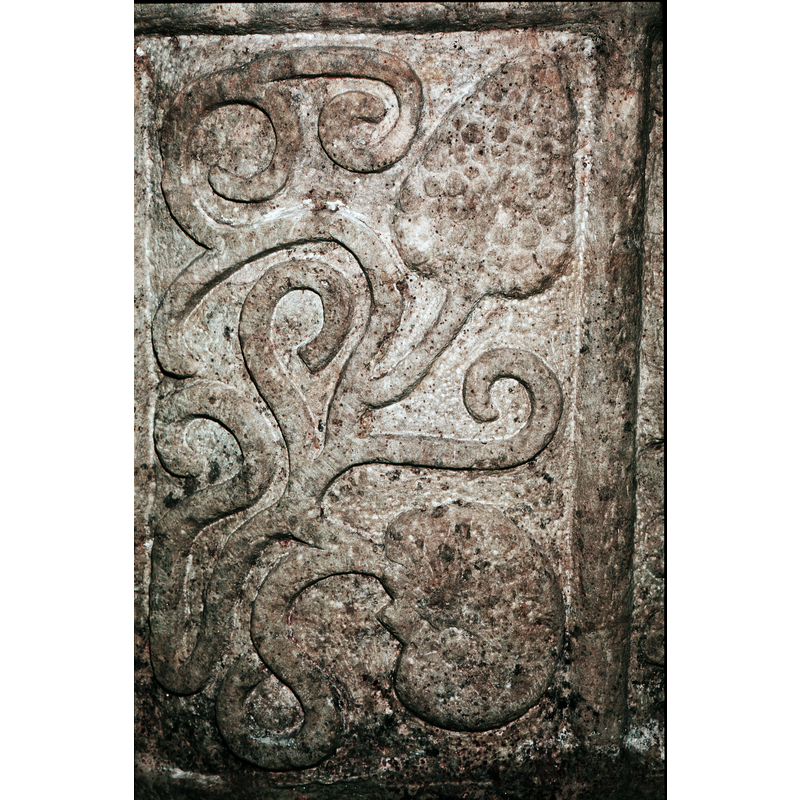
Scene Description: one source identies the rounded object at the bottom right as a human head
Copyright Statement: Image copyright © Baptisteria Sacra Index, 2023
Image Source: digital image of a photograph taken 16 June 1887 by BSI
Copyright Instructions: CC-BY-NC-ND-4.0
view of font in context
Scene Description: as displayed in the SHM in June 1997
Copyright Statement: Image copyright © Baptisteria Sacra Index, 2023
Image Source: digital image of a photograph taken 16 June 1887 by BSI
Copyright Instructions: CC-BY-NC-ND-4.0
view of font - sides 3, 4, 5, 6
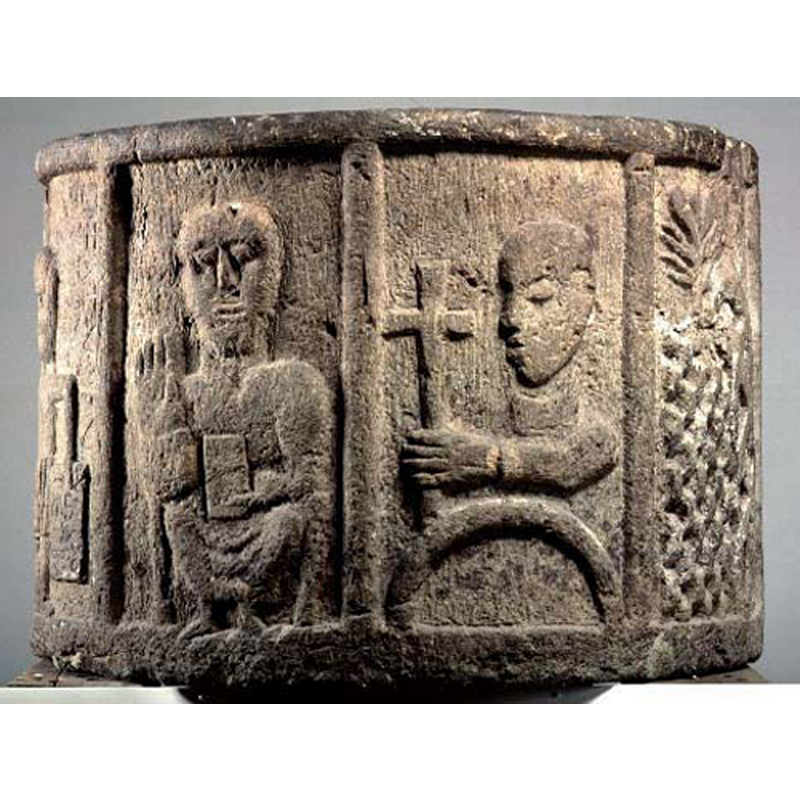
Copyright Statement: Image copyright © Statens Historiska Museum, 2003
Image Source: digital image of a photograph in Medeltidens bildvärld [ref.: 950517F3] [http://medeltidbild.historiska.se/medeltidbild/visa/foremal.asp?objektid=950517F3] [accessed 27 April 2020]
Copyright Instructions: CC-BY-NC-ND-4.0
view of font
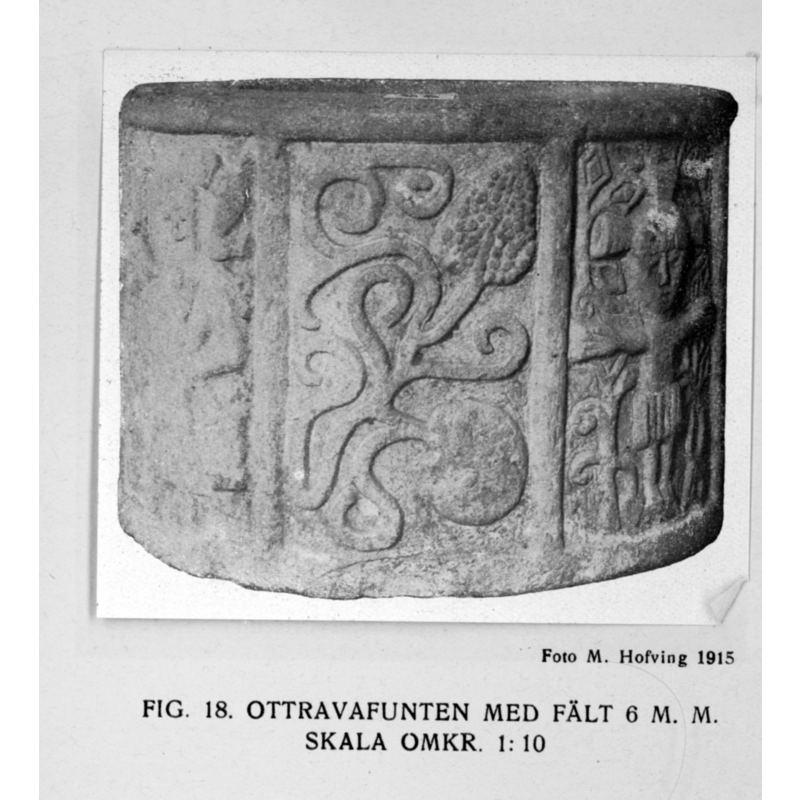
Copyright Statement: Image copyright © [in the public domain]
Image Source: digital image of a 1915 B&W photograph by M. Hofving, in Roosval (1917: fig. 18)
Copyright Instructions: PD
view of font
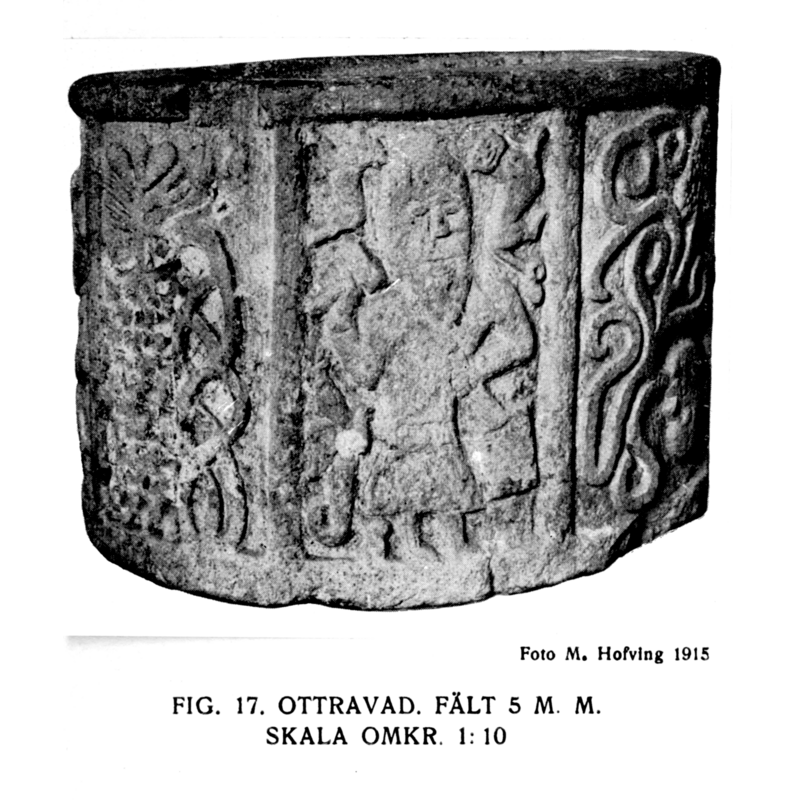
Copyright Statement: Image copyright © [in the public domain]
Image Source: digital image of a 1915 B&W photograph by M. Hofving, in Roosval (1917: fig. 17)
Copyright Instructions: PD
view of font

Copyright Statement: Image copyright © [in the public domain]
Image Source: digital image of illustrations in Roosval (1917: fig. 15-16)
Copyright Instructions: PD
view of font - sides 4, 5, 6
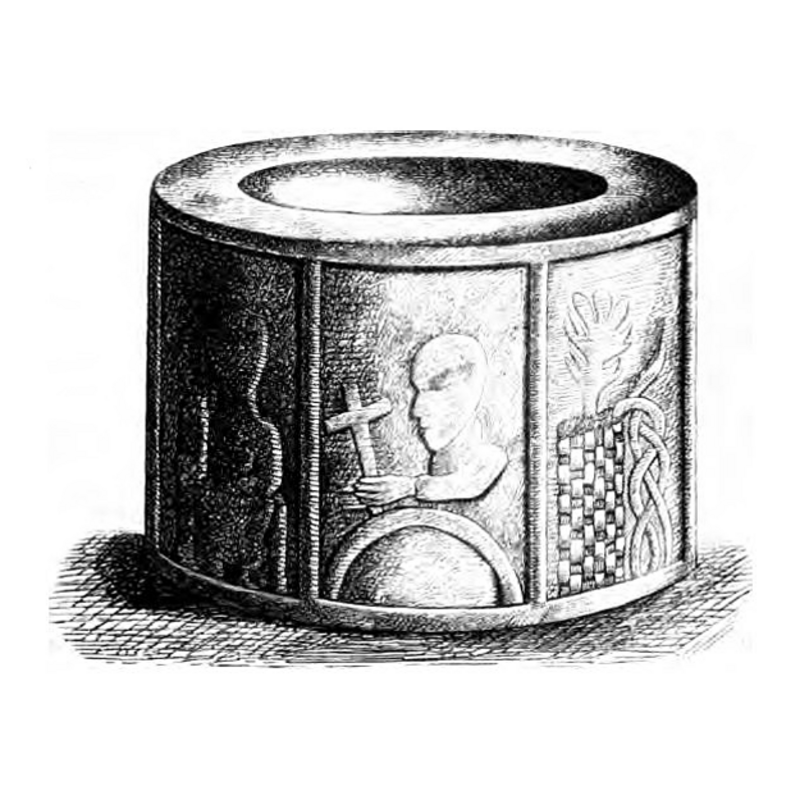
Copyright Statement: Image copyright © [in the public domain]
Image Source: digital image of a wood engraving by I.F. Rossenstand, of Cheapinghaven [i.e., Copenhagen], from drawings by Olof Erlandsson, of Skara, in Stephens (1878)
Copyright Instructions: PD
view of font - section
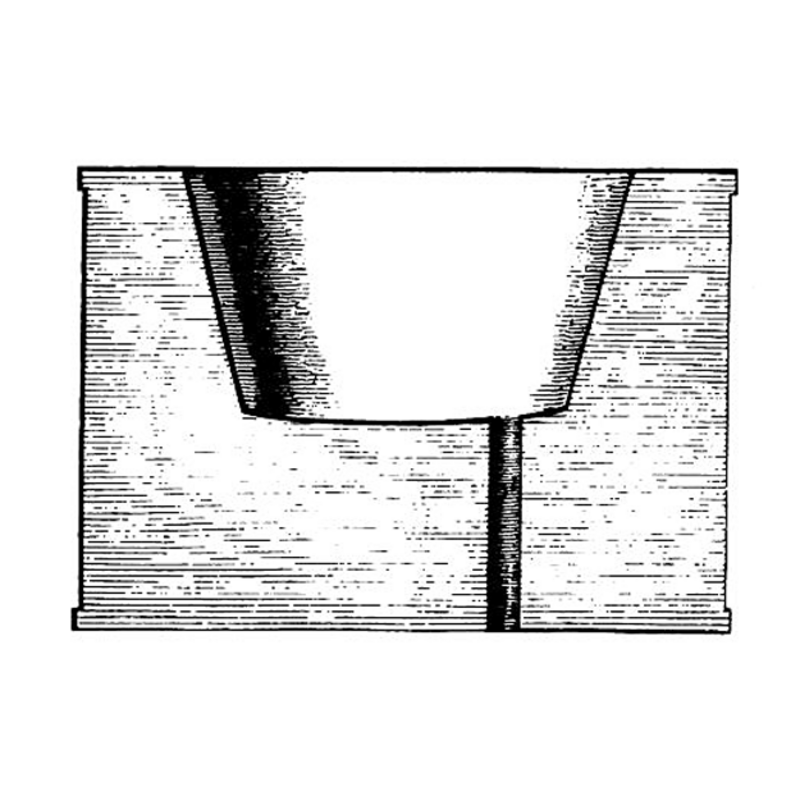
Scene Description: showing the drain conduit
Copyright Statement: Image copyright © [in the public domain]
Image Source: digital image of a wood engraving by I.F. Rossenstand, of Cheapinghaven [i.e., Copenhagen], from drawings by Olof Erlandsson, of Skara, in Stephens (1878)
Copyright Instructions: PD
view of font
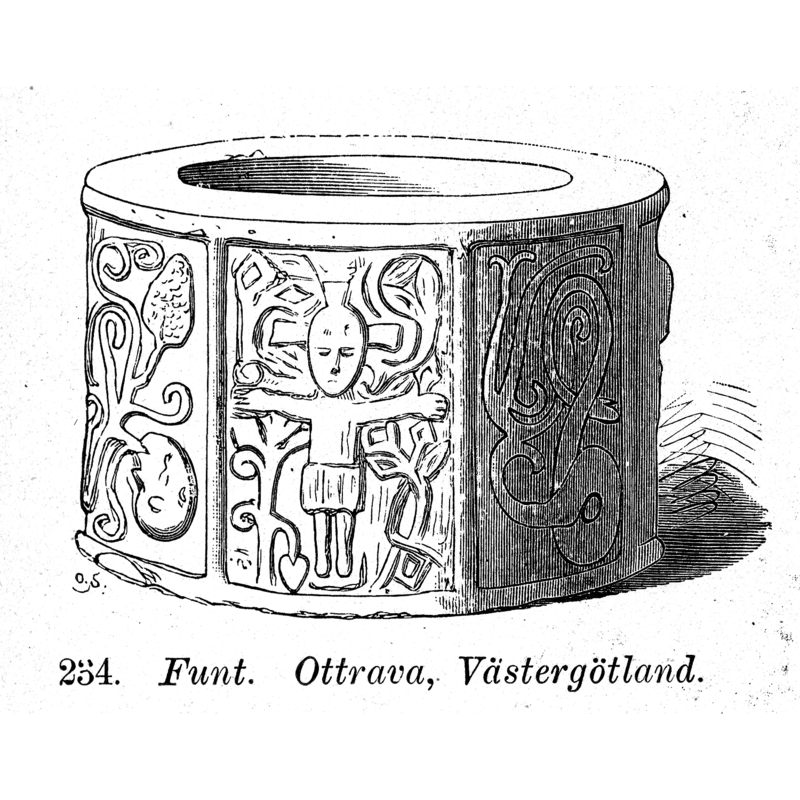
Scene Description: sides 8, 1, 2
Copyright Statement: Image copyright © [in the public domain]
Image Source: digital image of an engraving in Hildebrand (1907: fig. 234)
Copyright Instructions: PD
view of basin
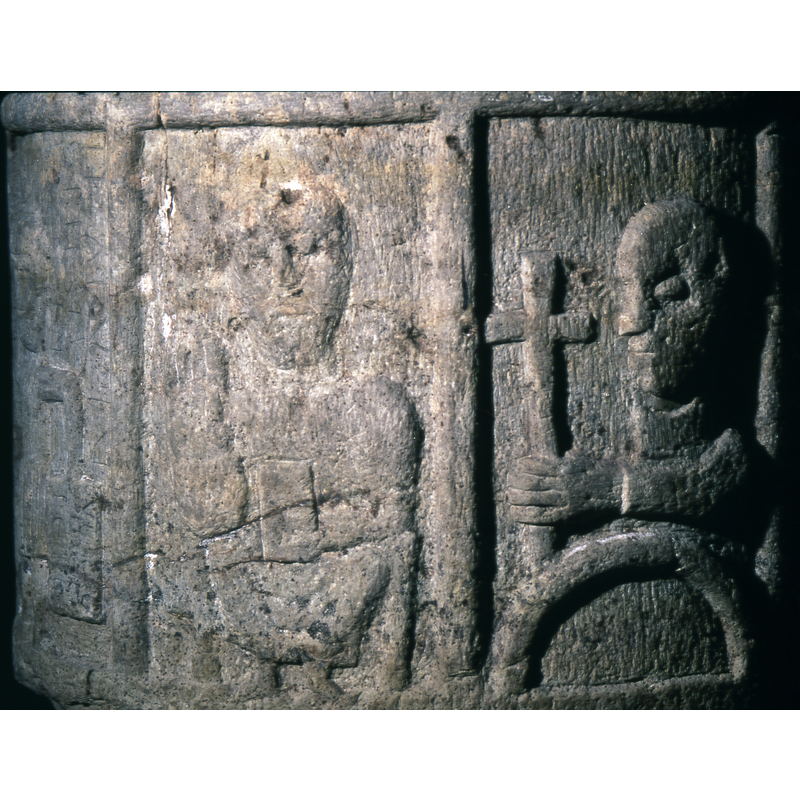
Copyright Statement: Image copyright © Baptisteria Sacra Index, 2023
Image Source: digital image of a photograph taken 16 June 1887 by BSI
Copyright Instructions: CC-BY-NC-ND-4.0
view of basin - detail
Copyright Statement: Image copyright © [in the public domain]
Image Source: digital image of illustrations in Roosval (1917: fig. 15-16)
Copyright Instructions: PD
view of basin - side 8
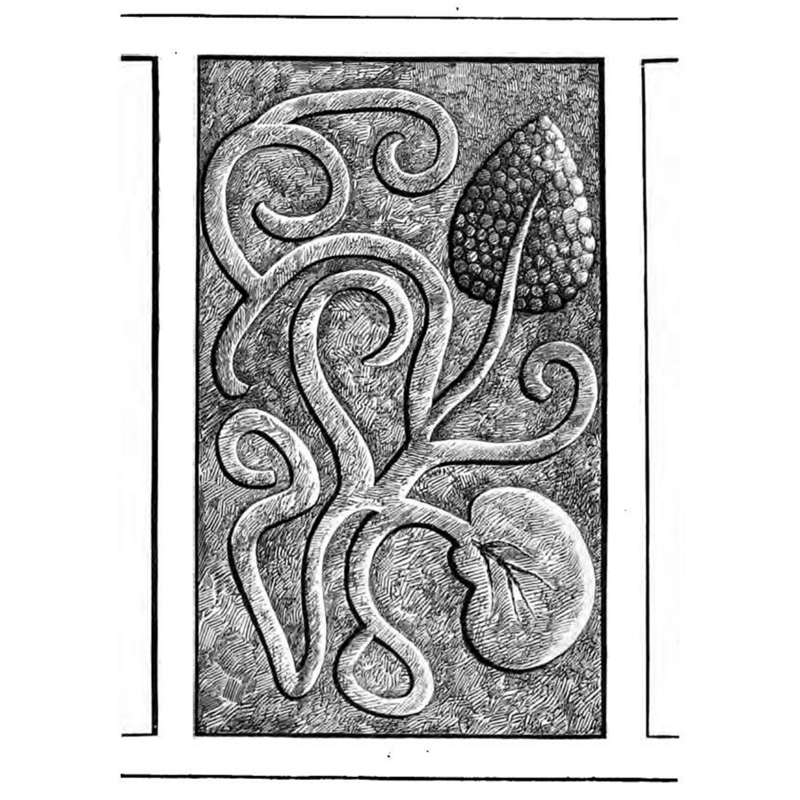
Copyright Statement: Image copyright © [in the public domain]
Image Source: digital image of a wood engraving by I.F. Rossenstand, of Cheapinghaven [i.e., Copenhagen], from drawings by Olof Erlandsson, of Skara, in Stephens (1878)
Copyright Instructions: PD
view of basin - side 7
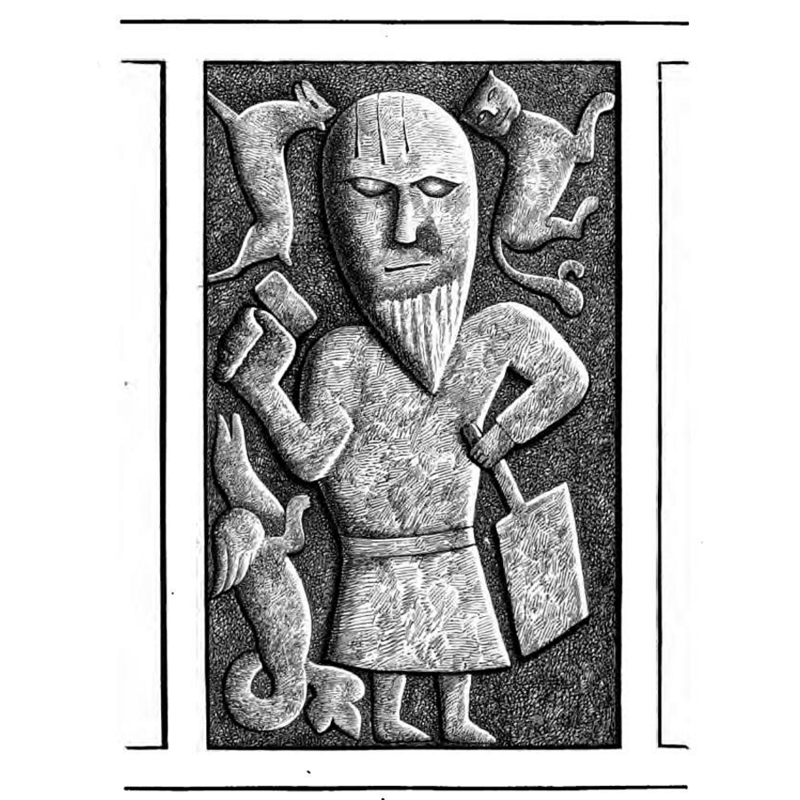
Copyright Statement: Image copyright © [in the public domain]
Image Source: digital image of a wood engraving by I.F. Rossenstand, of Cheapinghaven [i.e., Copenhagen], from drawings by Olof Erlandsson, of Skara, in Stephens (1878)
Copyright Instructions: PD
view of basin - side 6
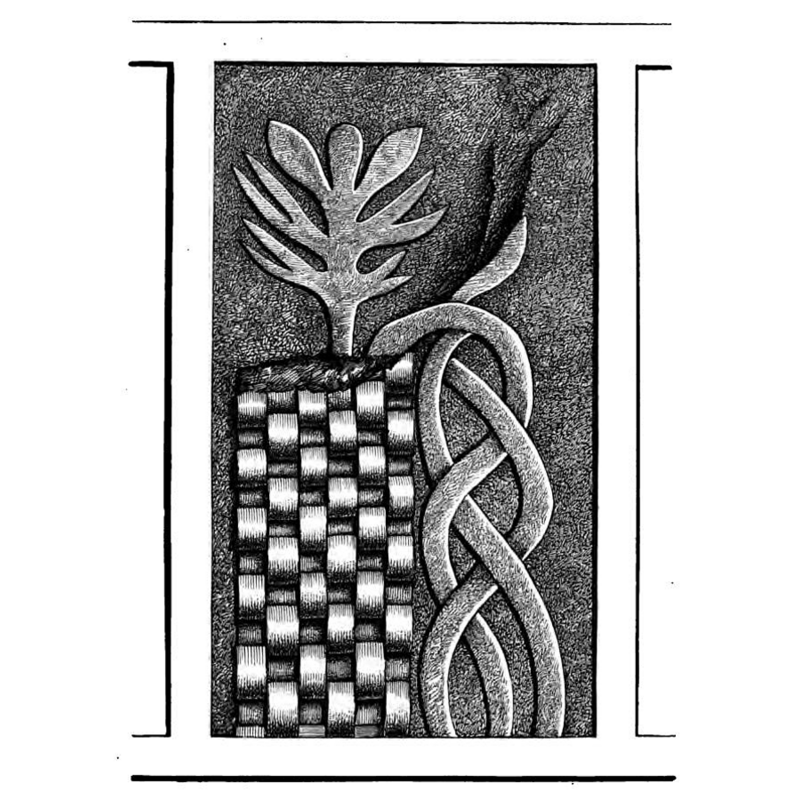
Copyright Statement: Image copyright © [in the public domain]
Image Source: digital image of a wood engraving by I.F. Rossenstand, of Cheapinghaven [i.e., Copenhagen], from drawings by Olof Erlandsson, of Skara, in Stephens (1878)
Copyright Instructions: PD
view of basin - side 5
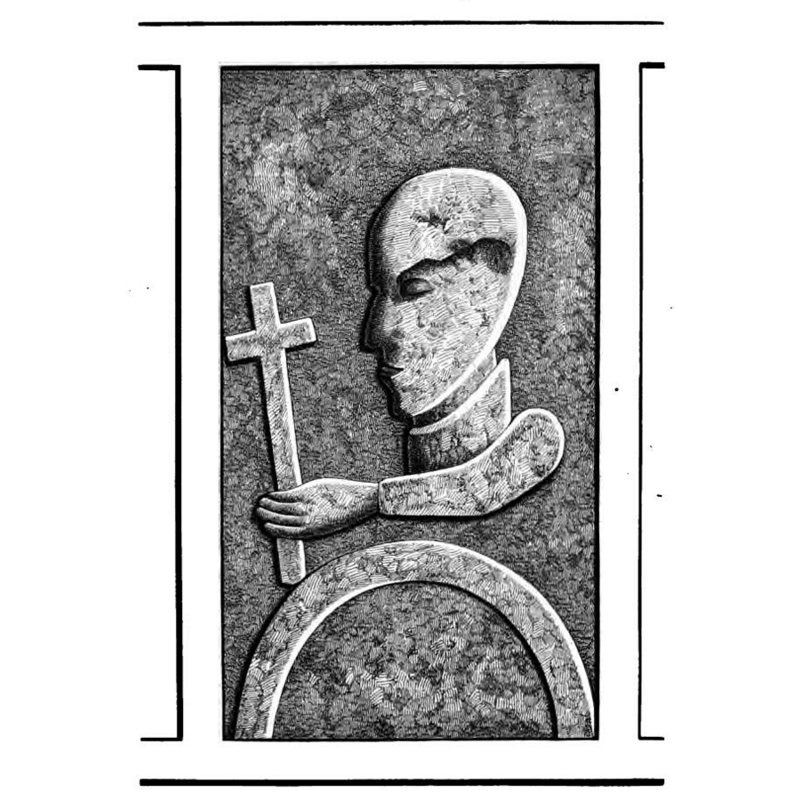
Copyright Statement: Image copyright © [in the public domain]
Image Source: digital image of a wood engraving by I.F. Rossenstand, of Cheapinghaven [i.e., Copenhagen], from drawings by Olof Erlandsson, of Skara, in Stephens (1878)
Copyright Instructions: PD
view of basin - side 4
Copyright Statement: Image copyright © [in the public domain]
Image Source: digital image of a wood engraving by I.F. Rossenstand, of Cheapinghaven [i.e., Copenhagen], from drawings by Olof Erlandsson, of Skara, in Stephens (1878)
Copyright Instructions: PD
view of basin - side 3
Copyright Statement: Image copyright © [in the public domain]
Image Source: digital image of a wood engraving by I.F. Rossenstand, of Cheapinghaven [i.e., Copenhagen], from drawings by Olof Erlandsson, of Skara, in Stephens (1878)
Copyright Instructions: PD
view of basin - side 2
Copyright Statement: Image copyright © [in the public domain]
Image Source: digital image of a wood engraving by I.F. Rossenstand, of Cheapinghaven [i.e., Copenhagen], from drawings by Olof Erlandsson, of Skara, in Stephens (1878)
Copyright Instructions: PD
view of basin - side 1
Copyright Statement: Image copyright © [in the public domain]
Image Source: digital image of a wood engraving by I.F. Rossenstand, of Cheapinghaven [i.e., Copenhagen], from drawings by Olof Erlandsson, of Skara, in Stephens (1878)
Copyright Instructions: PD
view of basin - interior
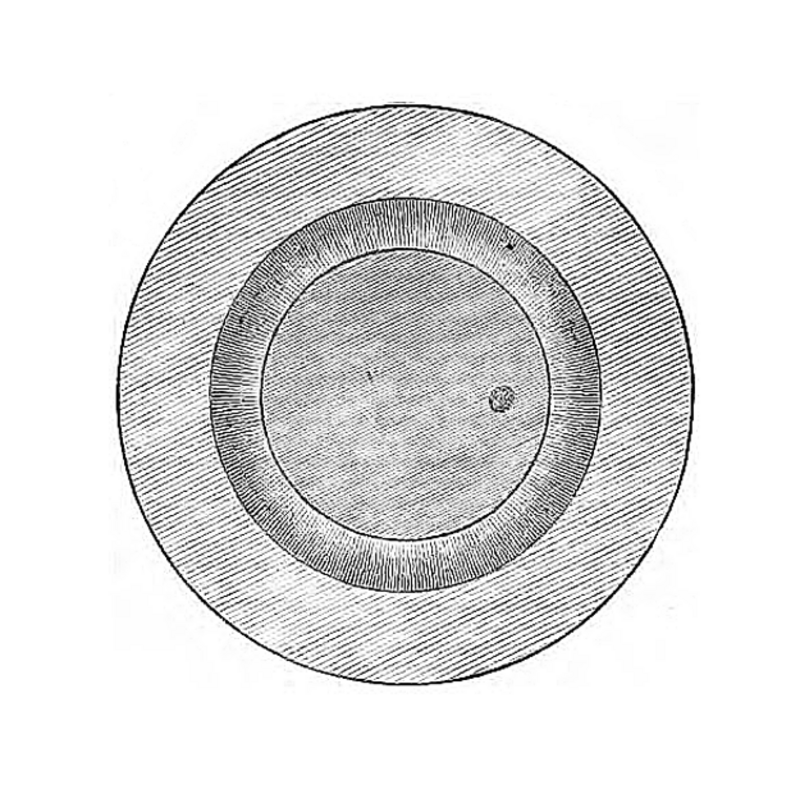
Scene Description: notice the drain hole off centre
Copyright Statement: Image copyright © [in the public domain]
Image Source: digital image of a wood engraving by I.F. Rossenstand, of Cheapinghaven [i.e., Copenhagen], from drawings by Olof Erlandsson, of Skara, in Stephens (1878)
Copyright Instructions: PD
view of church exterior in context - detail
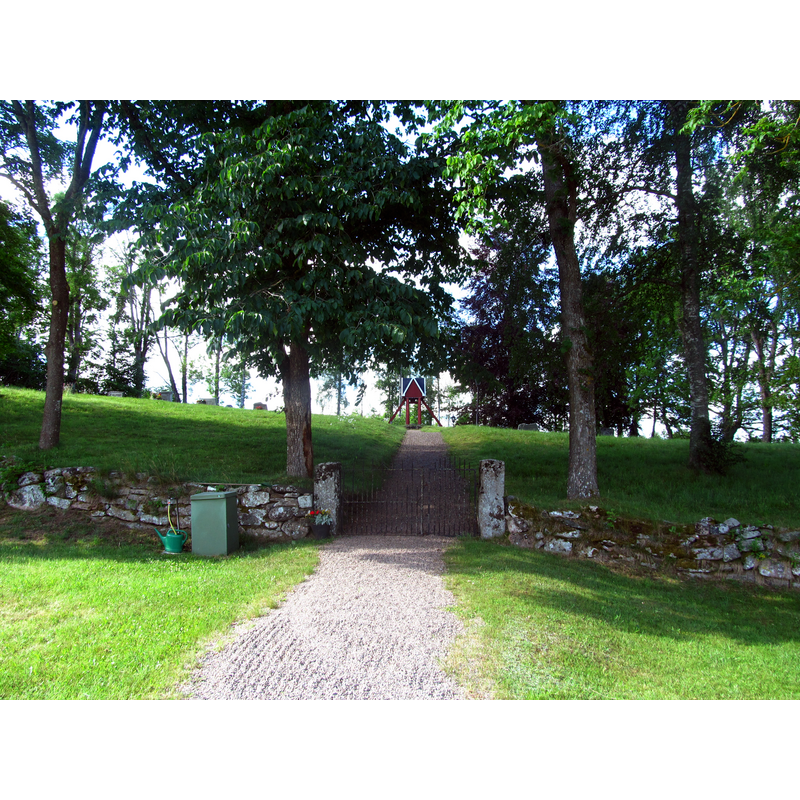
Scene Description: Source caption: "Ottravads gamla kyrkplats" -- the wooden 1872 belfry and some graves remain on the site of the demolished old church at Ottravad; materials from the medieval church were re-used in the construction of the Dimbo-Ottravad parish church that replaced both earlier parish churches
Copyright Statement: Image copyright © Joel Grafström, 2016
Image Source: digital photograph taken 28 June 2016 by Joel Grafström [https://commons.wikimedia.org/wiki/File:Ottravads_gamla_kyrkplats_1_20160628.jpg] [accessed 18 October 2020]
Copyright Instructions: CC-BY-SA-4.0
view of church exterior - southeast view
![Source caption: "Ottravads kyrkplats [...] Kyrkan från sydöst. Foto efter teckning ur Peringskiölds Monumenta."](/static-50478a99ec6f36a15d6234548c59f63da52304e5/compressed/0201018026_compressed.png)
Scene Description: Source caption: "Ottravads kyrkplats [...] Kyrkan från sydöst. Foto efter teckning ur Peringskiölds Monumenta."
Copyright Statement: Image copyright © [in the public domain]
Image Source: digital image [10070-003.tif] of a late-17thC drawing in Peringskiöld's Monumenta [https://commons.wikimedia.org/wiki/File:Ottravads_kyrkplats_-_KMB_-_16000200163911.jpg] [accessed 18 October 2020]
Copyright Instructions: PD Sweden
information

Copyright Statement: Image copyright © Baptisteria Sacra Index, 2023
Image Source: digital image of field notestaken 16 June 1887 by BSI
Copyright Instructions: CC-BY-NC-ND-4.0
INFORMATION
Font ID: 00155OTT
Object Type: Baptismal Font1
Date Visited: 1997-07-01
Font Century and Period/Style: 12th century, Romanesque
Workshop/Group/Artisan: Credo font
Museum: Statens historiska museum, Stockholm, inv. # 6056
Church / Chapel Name: [Originally from Ottravads gamla kyrka -- now in a museum]
Font Location in Church: [in a museum]
Church Notes: Stephens (1878) notes that the old church of Ottravad "was taken down in 1813, and its sandstone materials were used in building the large new Church at Dimbo, which is now the temple for the whole rectory. There is a belfry still standing on the site where the Ottravad church was completely demolished in 1814]
Church Address: [NB: address and coordinates are for the Ottraved old church site] Ottravad kyrkplats, Tidaholm V, 522 93 Tidaholm, Sweden
Site Location: Västergötland, Västra Götalands län, Sweden, Europe
Directions to Site: Ottravad is located about 2 km SE of Dimbo, in the municipality and about 6 km W of Tidaholm [Ottravads gamla kyrka: abandoned 1813; completely demolished 1914]
Historical Region: Vartofta härad
Font Notes:
Click to view
Noted in Ljungström (1877). Described and illustrated in Stephens (1878) [NB: this book was issued simultaneously in Danish and English, and is dedicated to "the Revd, Claes Johan Ljungström, Rector of Rånnum in Westgotland, Sweden, the first publisher of the Ottrava font"]. Stephens (ibid.) notes: "The Rev. M. Florell took care of the old Font, which lay neglected in Ottrava church-yard, and had it removed to Dimbo. Here it was examined by the Rev. Claes Johan Ljungström in 1875, and that active archaeologist sent me in Dec. 1875 a full-size tracing of the figures." It was after Stephens' exchanges of communications with Ljungström that the latter published his observations on the font [cf. supra]. Stephens (ibid.) dates it ca. 1000, and reports it: "now preserved in the National Museum, Stockholm, to which it came by purchase". Illustrated in Hildebrand (1907). Margit Hofving, in Roosval (1917) mentions it in the inventory of the Statens Historiska museet in Stockholm and gives a full description with drawings and photographs. There is a Latin inscription on it which reads: QUI CREDIDERIT ET BAPTIZATUS FUERIT SALVUS ERIT" [=He who believes and is baptized will be saved]. Roosval dates the font to c.1100. (from 1000 -1175). As Ljungman indicates (1983), the master of this font appears depicted on it, framed in one of the rectangles of the basin sides; others are listed (ibid.) as a dragon, a ram, a beast in three of the corners, the fourth being empty. The scenes on the sides, as identified in Stephens (1878) are: 1)the Fall of Man: the serpent depicted with an aplle in its mouth; 2)Holy Baptism: a priest with cross uplift, the left hand holding the Gospel of Mark, 16:16; 3)Confirmation: Bishop on his chair, right hand raised in benediction, left hand holds a book; 4)St. John the Celestial, above the Rainbow [Stephens argues against its identification as God the Father or that of a simple priest]; 5) Paradise restored: the wall of Eden, the Tree of Life within, the Four Rivers, emblems of the Four Evangelists, etc.; 6)Thu(no)r [Thor]; 7)the Vine, symbol of Our Lord and His Church; 8)Crucifixion. The original base was never found. Noted and illustrated in the SHM Medeltidens bildvärld [ref.: 950517F3] as a baptismal font made of sandstone in the mid-12th century, with reference to Svanberg (1995) and its attribuition of this font to a "Ottravadsmästaren".
Credit and Acknowledgements: We are grateful to Lennart Karlsson and the Statens historiska museet staff for their generous help and information in documenting this font
COORDINATES
UTM: 33V 431563 6447286
Latitude & Longitude (Decimal): 58.16155, 13.83691
Latitude & Longitude (DMS): 58° 9′ 41.58″ N, 13° 50′ 12.88″ E
MEDIUM AND MEASUREMENTS
Material: stone, sandstone
Number of Pieces: one
Font Shape: cylindrical
Basin Interior Shape: round
Basin Exterior Shape: round
Drainage System: two drainage systems
Drainage Notes: Two drainage systems
Rim Thickness: 14-15 cm* / 12.7 cm**
Diameter (inside rim): 54-55 cm* / 54 cm***
Diameter (includes rim): 81-83 cm* / 81.28 cm** / 82 cm*** / 82 cm****
Basin Depth: 34 cm***
Height of Basin Side: 57 cm*
Basin Total Height: 57 cm* / 56 cm***
Font Height (less Plinth): 57 cm* / 60.96 cm** / ****
Notes on Measurements: * BSI on-site / ** in ft./in. in Stephens (1878) / *** Roosval (1917: 16) / **** SHM Medeltidens bildvärld [ref.: 950517F3]]
INSCRIPTION
Inscription Language: Latin
Inscription Location: On the side of the basin
Inscription Text: 1.- "QUI CREDIDERIT ET BAPTIZATUS FUERIT SALVUS ERIT"
2.- "QUI CREDIDERIT ET BATIZATUS FUERIT SALVATUS ERIT"
Inscription Notes: Mark 16:16 [He who believes and is baptized will be saved]
Inscription Source: 1.- BSI on-site, etc.
2.- SHM
REFERENCES
- Hildebrand, Hans, Den Kyrkliga konsten under Sveriges medeltid: en kortfattad öfversikt, Stockholm: P.A. Norstedt & Söners Förlag, 1907, fig. 234 on p. 133
- Källström, Olle, Altare och funt, Stockholm: Svenska kyrkans diakonistyrelses bokförlag, 1948, p. 21ff and pl. 63
- Ljungman, Ulrika, "Där ord blev sten: Delstudie av romanska dopfuntars ikongrafi", 1993, ICO – Iconographisk Post. Nordisk tidskrift för bildtolkning – Nordic Review of Iconography, 1993, pp. 1-20, 19 ill.; p. 8 and fig. 8
- Ljungström, Claës Johan, Wartofta härad och staden Falköping, 1877, p. 159-161
- Nordström, Folke, Mediaeval Baptismal Fonts: An Iconographical Study, Stockholm: Universitetet i Umeå, 1984, p. 45, 80, 149:8
- Roosval, Johnny, Dopfuntar i Statens Historiska Museum, 1917, p. 14-17, fig. 15-18
- Stephens, George, Thunor the Thunderer, carved on a Scandinavian font of about the year 1000, London; Kjøbenhavn: William and Norgate; H.H.J. Lynge, 1878, [throughout]
- Stephens, George, Tordneren Thor, fremstillet på en Skandinavisk døbefont fra omtrent år 1000, Kjøbenhavn; London: H.H.J. Lynge; Williams and Norgate, 1878, [throughout]
- Svanberg, Jan, "Stenskulpturen", Den Romanska Konsten, Lund: Bokförlaget Signum, 1995, p. 144